**easyJet Extends Bidding Deadline as Apollo and Castlelake Vie for Control**
The British low-cost carrier easyJet has decided to extend the deadline for US fund Castlelake to submit a firm takeover bid, aligning it with the deadline already given to rival Apollo. The move, announced on Monday, gives both funds until Friday at 5 PM London time to declare a firm intention to bid or walk away. This decision comes amid a fierce battle between investment funds attracted by easyJet's valuable airport slots and growth potential, despite the airline's recent financial struggles linked to the Middle East conflict.
**Apollo Holds the Upper Hand**
The balance of power currently favors Apollo. In early July, easyJet announced a preliminary agreement with Apollo on a cash offer of £7.15 per share, valuing the company at £5.7 billion (approximately €6.7 billion). The board has stated that Apollo's proposal offers better value for shareholders than Castlelake's £6.90 per share offer, which values easyJet at around £5.5 billion. Castlelake had made several proposals since spring, but the board ultimately preferred Apollo's improved and more secure offer. The extension of the deadline aims to maintain a competitive framework between the two suitors while allowing due diligence to continue.
**Why easyJet is a Prize**
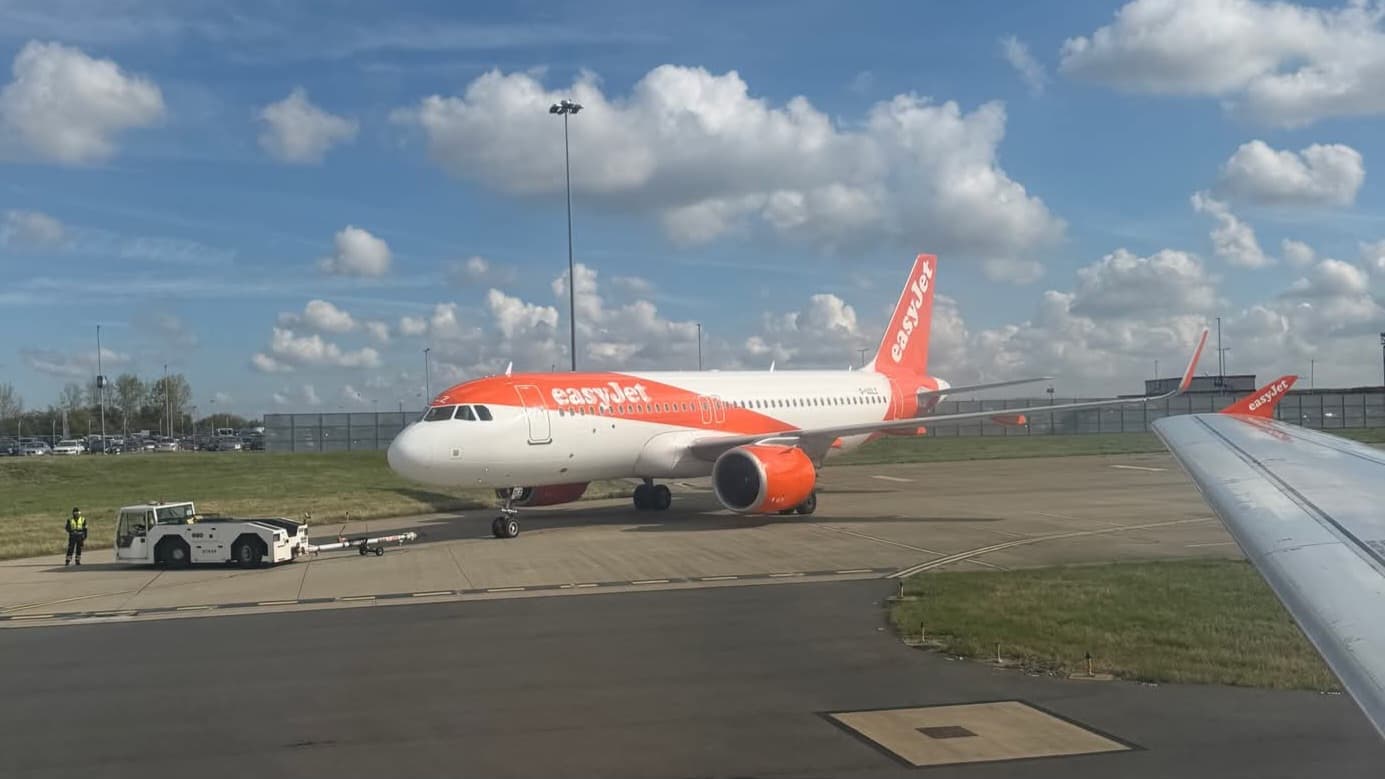
EasyJet, founded in 1995 and based at Luton, has built a portfolio of high-value airport slots at key hubs such as London Gatwick, London Luton, Geneva, Berlin, and several major Mediterranean airports. Its strong brand, customer base, and dense network make it an attractive target for investors seeking restructuring opportunities and financial returns. As Europe's second-largest low-cost carrier after Ryanair, easyJet operates a homogeneous fleet of Airbus A320 family aircraft, focusing on short- and medium-haul intra-European routes. For a fund, these assets offer significant leverage, provided they can manage costs and fuel price cycles.
**Financial Pressures and Strategic Implications**
The takeover battle unfolds against a backdrop of deteriorating financial performance. In its third quarter ending in June, easyJet's pre-tax profit plunged 70% to £85 million (nearly €100 million), down from £286 million a year earlier. The airline attributes this to higher fuel costs and weaker consumer demand following the outbreak of the Middle East conflict in March. Fuel costs rose by £105 million year-on-year, squeezing profitability despite strong traffic of nearly 26 million passengers and a load factor above 88%. The stock rose about 2% on Monday as markets welcomed the ongoing takeover scenario.
Beyond the financial jousting, a potential takeover by a US fund raises strategic questions for European aviation. A change in ownership could influence fleet growth policies, cost structures, base strategies, and ultimately fare levels for passengers, particularly in markets where easyJet holds significant capacity, such as the UK and Switzerland. For ATPL and ATC students, this case illustrates how external factors like geopolitical events and investor dynamics can reshape an airline's operations and network, impacting route planning, slot coordination, and regulatory considerations.