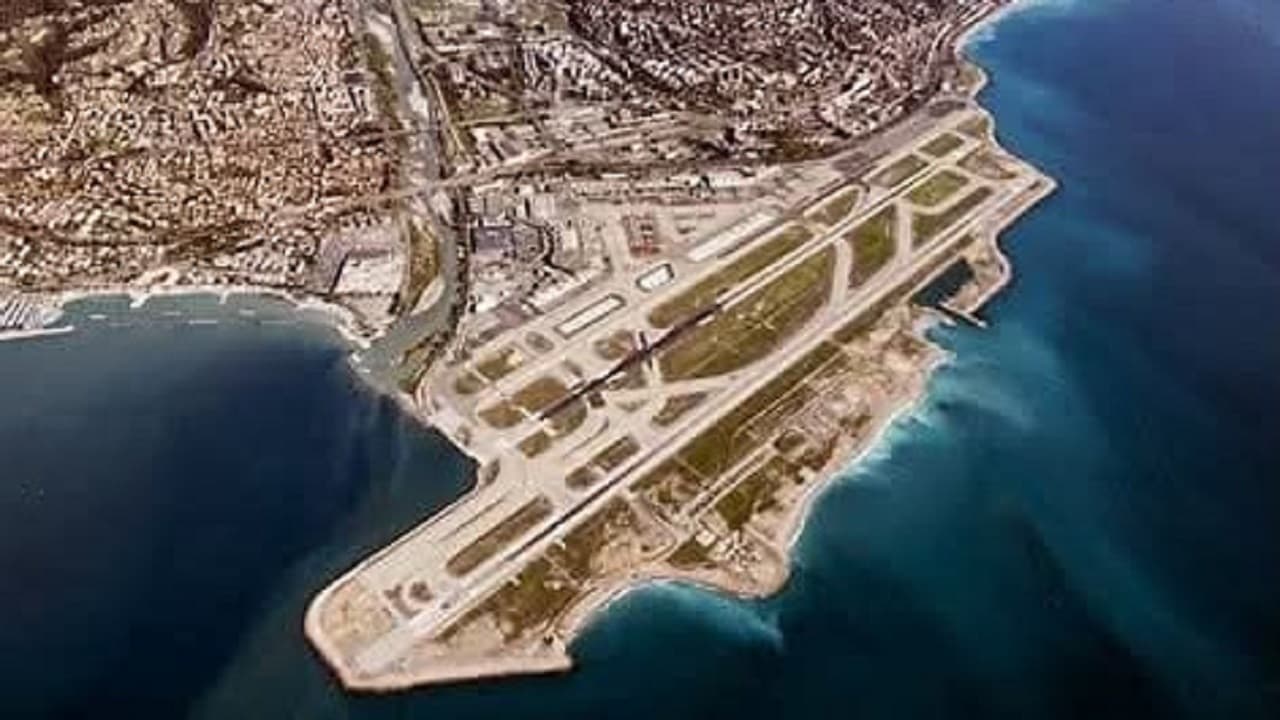
On June 2, an EasyJet flight from Nice to Rome became the scene of an administrative mishap when seven passengers were denied boarding due to a nationality confusion. According to local reports, a ground agent mistook Mauritian passports for Mauritanian ones, leading to a wrongful refusal to board. The group included five Mauritian nationals and two French citizens, among them a 90-year-old woman with an assistant.
This error underscores a key regulatory distinction: Mauritian nationals are visa-exempt for short stays in the Schengen Area, while Mauritanian nationals require a visa. Despite the passports clearly stating "Republic of Mauritius," the agent insisted the passengers needed visas. The situation escalated when the agent reportedly claimed to be looking at five "Mauritanian" passports.
For ATPL and ATC students, this incident is a practical lesson in the critical role of document verification in aviation. Airlines are legally responsible for checking travel documents under EU Directive 2001/51/CE, which imposes fines for carrying passengers without proper documentation. Ground staff rely on tools like IATA's Timatic database to determine visa requirements, but human error can still occur. This case shows how a simple misidentification can disrupt operations, delay flights, and cause passenger distress.
The French Border Police (PAF) eventually intervened to confirm the visa exemption, but the clarification came too late for the original flight. The passengers were rebooked on a later flight and given meal vouchers. For aviation professionals, this highlights the importance of rigorous training in document checks, the use of reliable verification systems, and the need for clear communication between ground staff and authorities to avoid such costly mistakes.