**Industry context and the MyATPS angle**
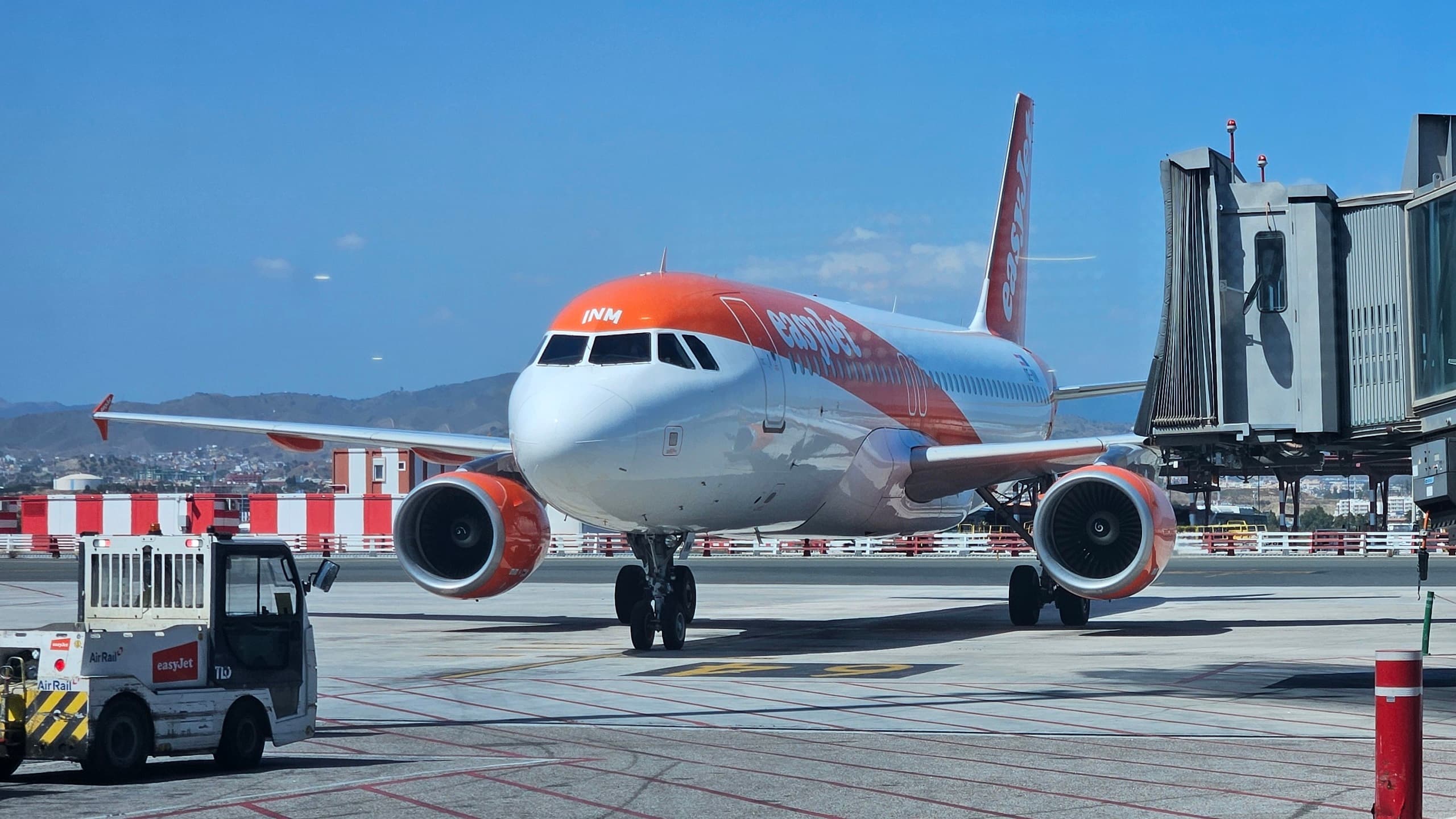
On 20 July, the Italian national powerchair football team was denied boarding on an easyJet flight from Rome-Fiumicino to Glasgow, where they were scheduled to participate in an international tournament preparing for the World Cup in Argentina. The airline cited a capacity limit of five wheelchairs on the Airbus A320, while the delegation had six, plus daily mobility chairs and competition chairs. The Italian Paralympic Federation (FIPPS) claimed it had obtained prior approval from easyJet in April and sent a verification email shortly before departure, receiving no useful response before boarding was refused. An alternative solution—splitting the group across two flights and sending some equipment separately to Edinburgh—was rejected by the team.
This incident has triggered a political firestorm in Italy. Sports Minister Andrea Abodi called it “absurd and unacceptable,” and the Italian Civil Aviation Authority (ENAC) launched an investigation to determine whether the refusal violated EU Regulation 1107/2006, which protects the rights of passengers with reduced mobility. The airline has apologised and opened an internal inquiry, stating that “making air travel accessible to all passengers is a priority.”
**Why this matters for ATPL and ATC students**
For ATPL candidates, this case is a practical lesson in operational constraints and regulatory compliance. Aircraft have certified limits for the number of wheelchairs that can be safely stowed, but these must be clearly communicated and coordinated with passengers well in advance. Miscommunication or last-minute denials can lead to reputational damage, legal liability, and regulatory sanctions. ATC students, while not directly involved in boarding procedures, should understand that ground handling and passenger assistance are part of the broader airport ecosystem they interact with. Moreover, the incident underscores the importance of clear communication between airlines, ground handlers, and passengers—a skill that translates directly to ATC operations.
**Analysis and broader implications**
The core issue is whether the capacity limit was a genuine operational constraint or a failure of coordination. ENAC’s investigation will examine the booking of assistance and the information provided to easyJet. This case also highlights the tension between commercial efficiency and accessibility: airlines must balance payload restrictions with legal obligations to accommodate passengers with disabilities. For aviation professionals, it serves as a reminder that regulations like EU 1107/2006 are not optional—they impose concrete duties that must be integrated into daily operations. The outcome could set a precedent for how similar cases are handled across Europe, affecting training materials and operational procedures for years to come.