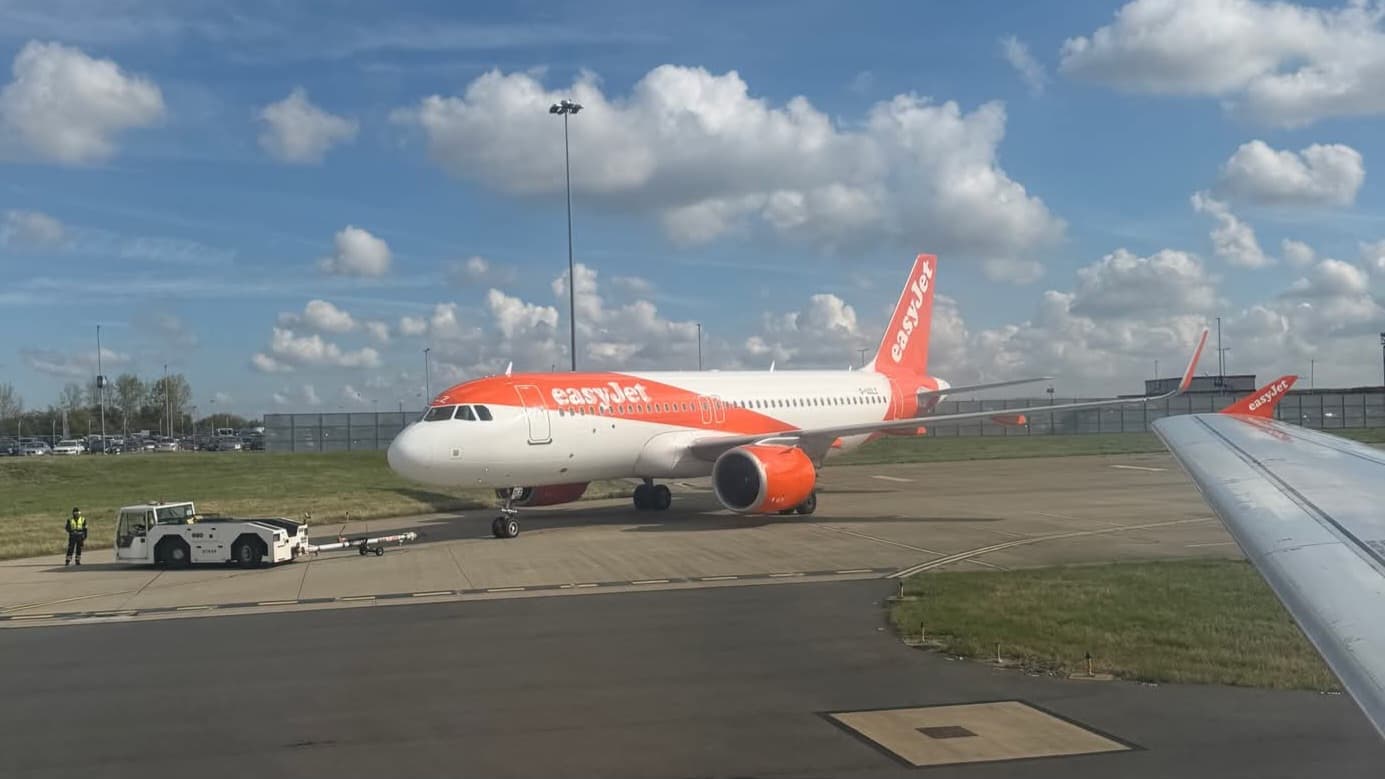
The battle for easyJet's future has shifted from the stock market to the negotiating table. After Apollo Global Management agreed to acquire the British low-cost carrier for 715 pence per share, valuing it at approximately £5.7 billion (€6.7 billion), the British Airline Pilots' Association (BALPA) has made clear it will not let the change of ownership undermine the hard-won rights of its members. The union, recognized as the representative body for easyJet pilots in the UK, has announced it will engage with Apollo and the airline's management throughout the acquisition process and beyond.
BALPA's priorities are clear: job security, pensions, working conditions, and fatigue management. Chris Jones, BALPA's director of employment relations and policy, emphasized that the union will ensure pilots' concerns are heard during the transition. This is not just about preserving the status quo; it's about improving conditions in a context where easyJet's operational model—high aircraft utilization, quick turnarounds, and a dense European network—puts significant pressure on pilots' fatigue levels. The union's focus on fatigue is particularly relevant, as it touches on flight time limitations, rest periods, reserve duties, and the reporting of fatigue-related unfitness, all of which are governed both by social dialogue and the operator's safety management system.
Apollo, for its part, has signaled continuity rather than disruption. The fund plans to maintain the easyJet brand, continue fleet renewal, and expand ancillary revenues and easyJet Holidays. It has also pledged no job cuts in the first twelve months post-acquisition, though it acknowledges that the delisting may affect a limited number of roles tied to the company's public status. This time-limited promise partly explains why BALPA is keen to lock in guarantees now, before the deal closes.
The transaction is still subject to shareholder and regulatory approval, with completion expected by the end of the first quarter of 2027. The most sensitive issue is compliance with European ownership and control rules. To preserve easyJet's traffic rights within the EU, the proposed structure would cap Apollo's stake at 49.9%, while the founder's family (Stelios Haji-Ioannou) and other shareholders would hold between 45.1% and 49.9%, with a European management trust potentially holding up to 5%. This complex arrangement aims to keep the airline European-controlled, a critical factor for its operating licenses.
For aviation students, this case is a live example of how corporate governance, labor relations, and regulatory frameworks intersect in the airline industry. It underscores the importance of understanding the EU ownership rules that underpin the single aviation market, and how these rules can shape the structure of a deal. It also highlights the role of unions in safeguarding operational safety and working conditions, which are central to the daily life of any pilot or air traffic controller.