**EASA Authorizes Jet A Fuel in Europe: What It Means for Aviation Training**
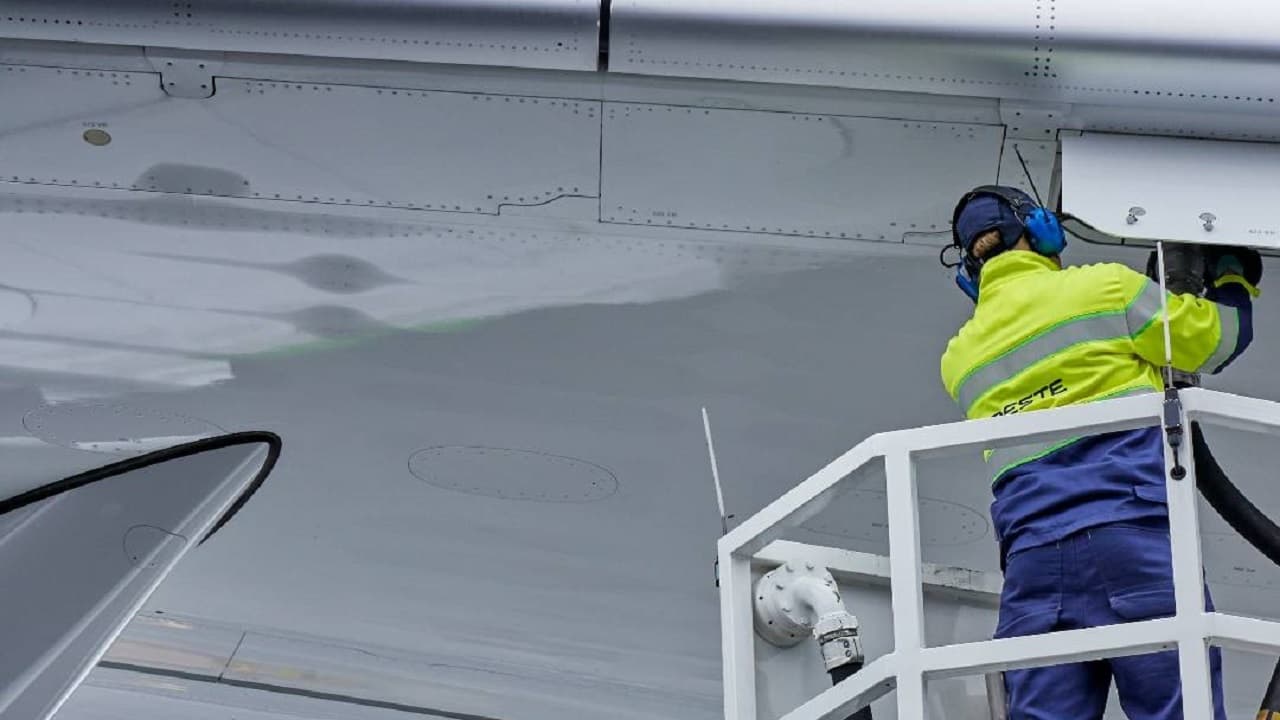
In a move driven by geopolitical tensions in the Middle East and the resulting threat to European jet fuel supplies, the European Union Aviation Safety Agency (EASA) has authorized the use of Jet A fuel produced in the United States for flights within Europe. The decision, published in an official notice, comes as the EU faces potential disruptions to its kerosene imports, a significant portion of which originates from the Gulf region. EASA emphasizes that Jet A, already widely used in North America, poses no safety risk if its introduction is properly managed. However, the agency has issued clear recommendations: Jet A must not be mixed with Jet A-1, and ground crews must receive specific training to ensure traceability and avoid operational confusion.
**Key Technical Differences Between Jet A and Jet A-1**
For ATPL and ATC students, understanding the distinction between Jet A and Jet A-1 is critical. Both fuels meet ASTM certification standards, but their freezing points differ: Jet A-1 has a maximum freezing point of -47°C, while Jet A freezes at -40°C. This 7°C difference can affect flight planning on long-haul or polar routes, where extremely low temperatures are common. Jet A-1 also contains an antistatic additive that dissipates electrical charges during refueling, reducing the risk of sparks—a feature absent in Jet A. Both fuels share the same flash point (minimum 38°C), meaning their flammability characteristics are identical. For pilots and dispatchers, these differences mean that fuel type selection must be carefully considered for each flight, especially on routes where cold weather operations are a factor.
**Operational Implications for ATPL and ATC Students**
This regulatory change has direct implications for aviation professionals in training. ATPL students must learn to account for fuel type in performance calculations, particularly regarding fuel temperature limits and the potential need for alternate fuel sources at European airports. ATC trainees should be aware that fuel-related diversions or delays could increase if aircraft are not properly fueled for their intended routes. Additionally, the need for specialized ground crew training highlights the importance of human factors and communication in ensuring safety during fuel handling. The decision also underscores the broader trend of energy security in aviation, pushing the industry toward sustainable aviation fuels (SAF) as a long-term solution.
**Broader Context: Energy Sovereignty and SAF**
Beyond the immediate supply concerns, this development reignites the debate on European energy dependence. The EU still imports 30-40% of its kerosene needs, with nearly half coming from the Middle East. Analysts argue that the current crisis should accelerate investment in SAF, not only for environmental reasons but also for energy sovereignty. For students, this case study illustrates how geopolitical events directly impact operational procedures and regulatory frameworks in aviation—a lesson that will serve them well in their future careers.