**A night of double incidents at Leipzig/Halle**
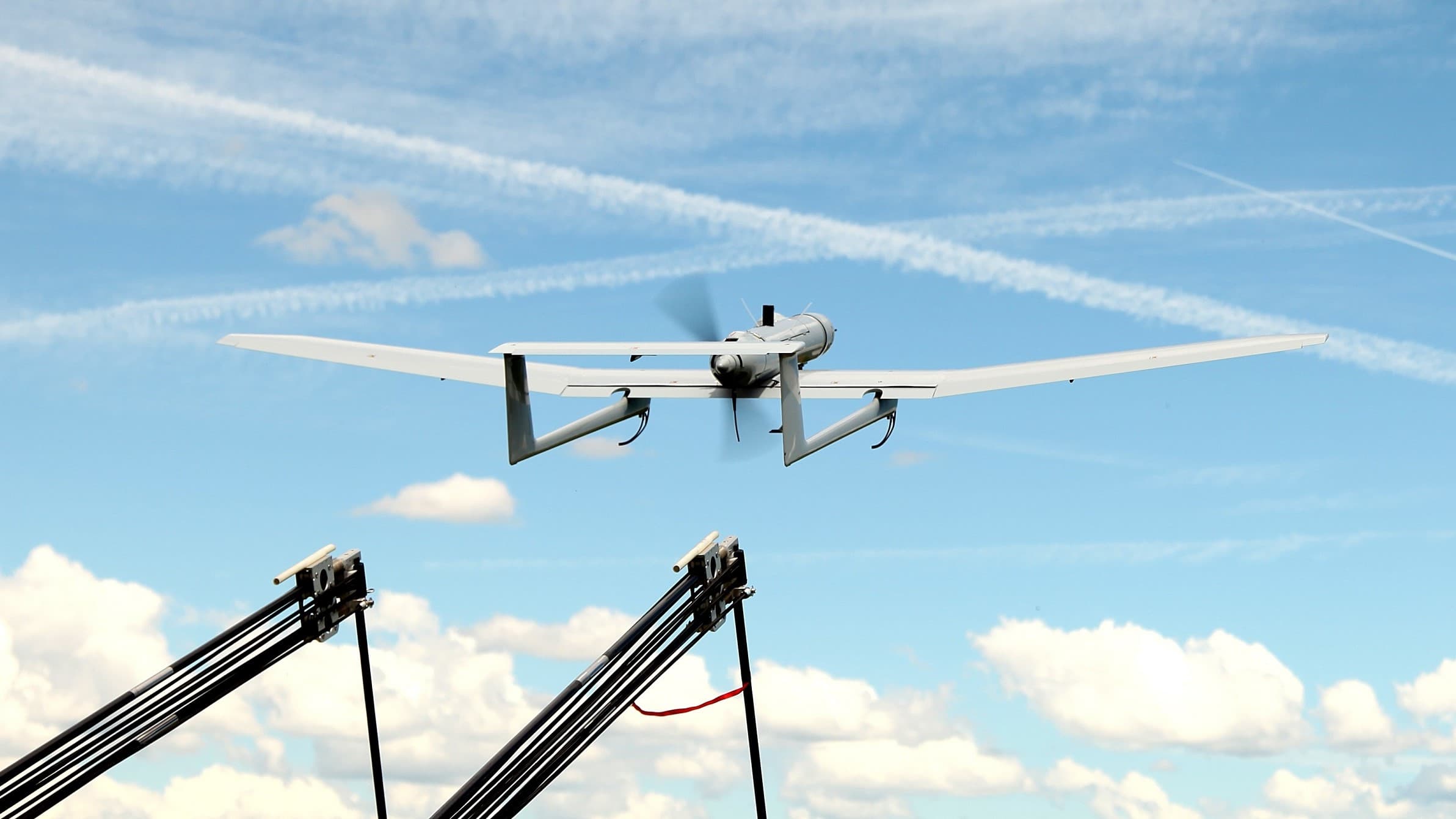
In the night of August 4-5, Leipzig/Halle Airport (LEJ), a major European freight hub and a strategic platform for NATO and Ukraine, experienced two security incidents. First, an employee discovered a drone equipped with an unidentified explosive device in a restricted cargo area near the south runway, close to Antonov Airlines aircraft. The device had a detonator that failed to function, and police used a bomb disposal robot to secure it. Traces of PETN and Semtex, powerful military-grade explosives, were reportedly found on the device. The airport's two runways were closed for about two hours, causing diversions and delays, including at least one passenger flight.
**Collision in flight**
Almost simultaneously, a DHL cargo aircraft, which had to abort its approach due to the runway closure, apparently collided with an unidentified flying object at about 400 meters altitude, roughly 6 km from the airport. The aircraft was diverted to Hanover, where it landed safely with only slight damage to its front section. No injuries were reported. The authorities have not yet confirmed whether the object involved in the collision was the same drone found on the ground, but the incident has been classified as a state security matter.
**Hybrid threat and investigation**
The German authorities have opened an investigation under the state security services, and the new center for defense against hybrid threats, inaugurated in June, is coordinating the response. The Interior Minister of Saxony called it a "very serious security event." While officials have not directly blamed Russia for this specific incident, the Ukrainian ambassador to Germany pointed the finger, and a conservative MP suggested it was an attempt to strike a company important to Ukraine. Leipzig/Halle is a critical hub for DHL Express and a base for Antonov Airlines, handling military and civilian aid to Ukraine.
**Implications for aviation training**
For ATPL and ATC students, this incident underscores the evolving threat landscape in aviation. Drones, once a nuisance for pilots, are now potential weapons. Understanding airspace security, the impact of runway closures on traffic flow, and the procedures for diversions and emergency responses is crucial. The collision with an unidentified object highlights the risks of flying in environments where drones may be present, even at low altitudes. Students should study how such incidents are managed, from the initial detection to the coordination between airport authorities, police, and air traffic control. This case also illustrates the importance of security protocols in restricted areas, which are part of the broader safety management system that aviation professionals must master.