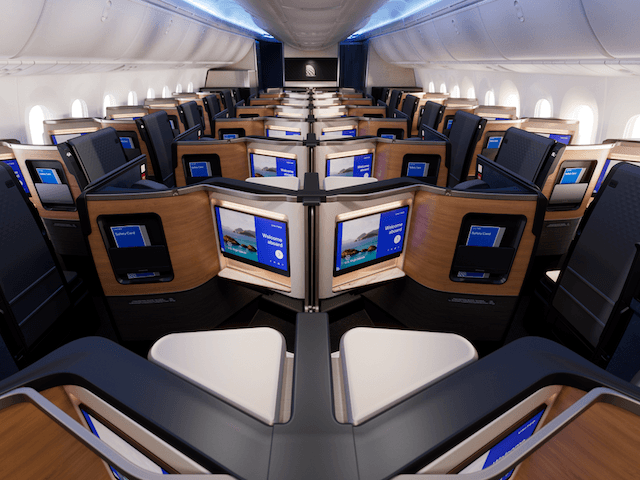
**A New Tier in Premium Travel**
Delta Air Lines and United Airlines have introduced "Basic Business" fares, a stripped-down version of their long-haul business-class products. Delta launched its Basic Business fare for Delta One cabins in mid-July, following United's similar move on its Polaris cabins in April. These fares are already available on select routes and will be rolled out progressively over the coming months.
**What Passengers Gain and Lose**
Passengers booking Basic Business still enjoy the full in-flight experience: lie-flat seats, premium meals, top-shelf drinks, amenity kits, attentive service, and priority boarding. However, they lose several traditional business-class perks: no access to premium lounges (Delta One Lounge or Polaris Lounge), no advance seat selection (seats are assigned after check-in), reduced baggage allowance, less flexibility for changes and cancellations, and fewer frequent-flyer miles. Delta has announced that lounge access will be temporarily maintained until January 2027 to ease the transition.
**Strategic Rationale and Industry Impact**
This segmentation responds to growing demand from both business and leisure travelers who want genuine in-flight comfort without paying full business-class prices. It mirrors the "Basic Economy" model already common in economy cabins and extends it to premium cabins. Gregory Mavoian, co-founder of business travel agency Globéo Travel, notes that these light business-class fares open new possibilities for corporate travel policies, allowing companies to offer premium comfort on strategic missions while staying within budget constraints. However, he warns that the increasing complexity of fare structures—with four or five service levels for the same seat—creates confusion for travelers and reinforces the need for travel agencies to explain the nuances.
**Relevance for Aviation Professionals**
For ATPL and ATC students, this development is a real-world case study in airline revenue management and market segmentation. Understanding how airlines price their products and differentiate services is crucial for future pilots and controllers who will interact with airline operations and passenger handling. It also highlights the growing trend of unbundling services, which affects everything from baggage handling to lounge access—factors that influence airport operations and flight planning. As airlines continue to refine their pricing strategies, aviation professionals must stay informed about these changes to anticipate their impact on daily operations and customer expectations.