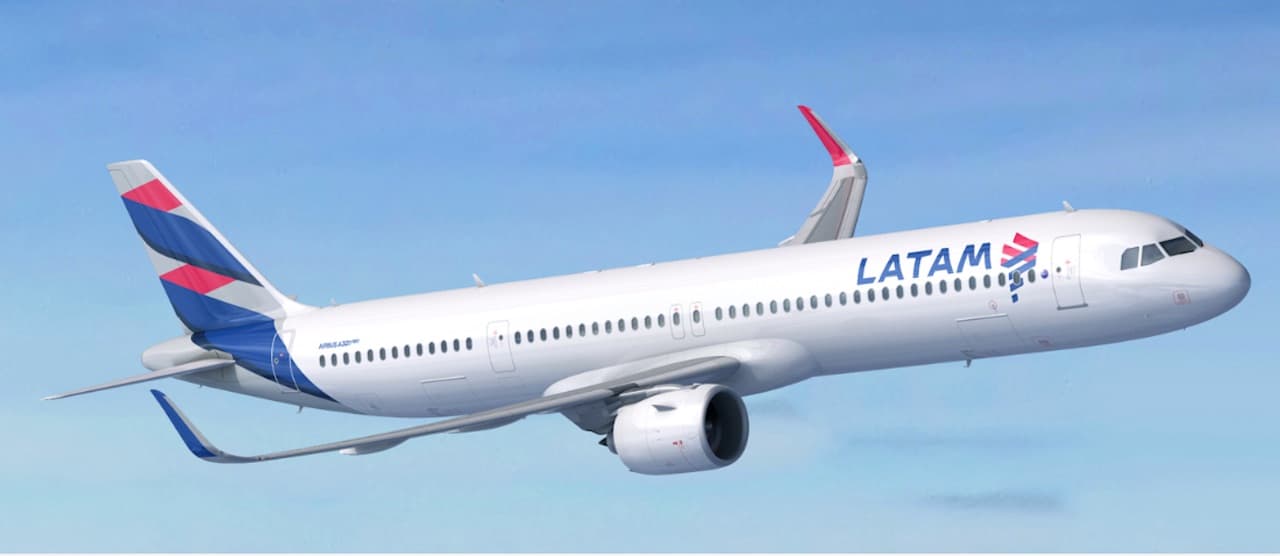
In a strategic move announced at the MRO Americas event in Orlando on April 21, 2026, Delta TechOps and LATAM Airlines Brasil have unveiled a pioneering collaboration to streamline A320 family component repairs. This partnership establishes Delta TechOps as the sole commercial interface for an initial portfolio of A320 repairs, with all work conducted at LATAM's MRO center in São Carlos, Brazil. The initiative targets the growing demand for high-level maintenance solutions amid a saturated global MRO market and the continuous expansion of narrow-body fleets, positioning São Carlos as a key hub for Airbus single-aisle aircraft maintenance worldwide.
From an industry perspective, this alliance is a response to critical capacity constraints in the Maintenance, Repair, and Overhaul (MRO) sector. With over 12,000 A320 family aircraft in service globally, the need for efficient and scalable repair services has become paramount. Delta, which relies heavily on A319, A320, and A321 aircraft for its domestic and short-to-medium-haul international networks, and LATAM, operating one of Latin America's largest A320 fleets, are both facing increased maintenance demands. LATAM plans to expand its total fleet to around 410 aircraft by the end of 2026, further intensifying pressure on MRO resources. By leveraging LATAM's São Carlos facility—spanning 95,000 square meters with nine hangars and 22 workshops capable of handling up to 16 aircraft simultaneously—this partnership aims to enhance repair throughput while maintaining Delta's stringent engineering and quality standards.
For ATPL and ATC students, this development underscores the evolving dynamics of fleet management and operational reliability in aviation. As future pilots or controllers, understanding how airlines collaborate to optimize maintenance logistics is crucial. The Delta-LATAM model demonstrates how strategic partnerships can mitigate MRO bottlenecks, ensuring aircraft availability and safety. Students should note that such alliances often involve complex regulatory approvals, as this agreement is pending Brazilian authority clearance, with operational rollout expected in Q2 2026. This highlights the importance of regulatory frameworks in aviation operations, a key topic in ATPL and ATC training curricula.
Moreover, the partnership reflects broader trends in aviation technology and innovation. LATAM's São Carlos center is certified by major authorities like EASA, FAA, and the Chilean DGAC, and has integrated advanced technologies such as drone inspections, which reportedly increased fuselage inspection efficiency twelvefold. For students, this illustrates how technological adoption in MRO can drive efficiency and safety, areas covered in aviation maintenance and safety courses. The focus on 'responsible growth' and long-term value creation, as emphasized by Delta's Alain Bellemare, aligns with industry shifts towards sustainable and reliable operations, which are increasingly emphasized in training programs.
In conclusion, the Delta-LATAM alliance is more than a business deal; it's a case study in adaptive industry strategy. By combining Delta's technical oversight with LATAM's production capacity, this partnership aims to set a new standard for A320 component repairs, potentially influencing global MRO practices. For aviation students, it serves as a real-world example of how collaboration, regulatory navigation, and technological integration are essential to addressing modern aviation challenges, reinforcing lessons from their studies on fleet operations, safety management, and industry economics.