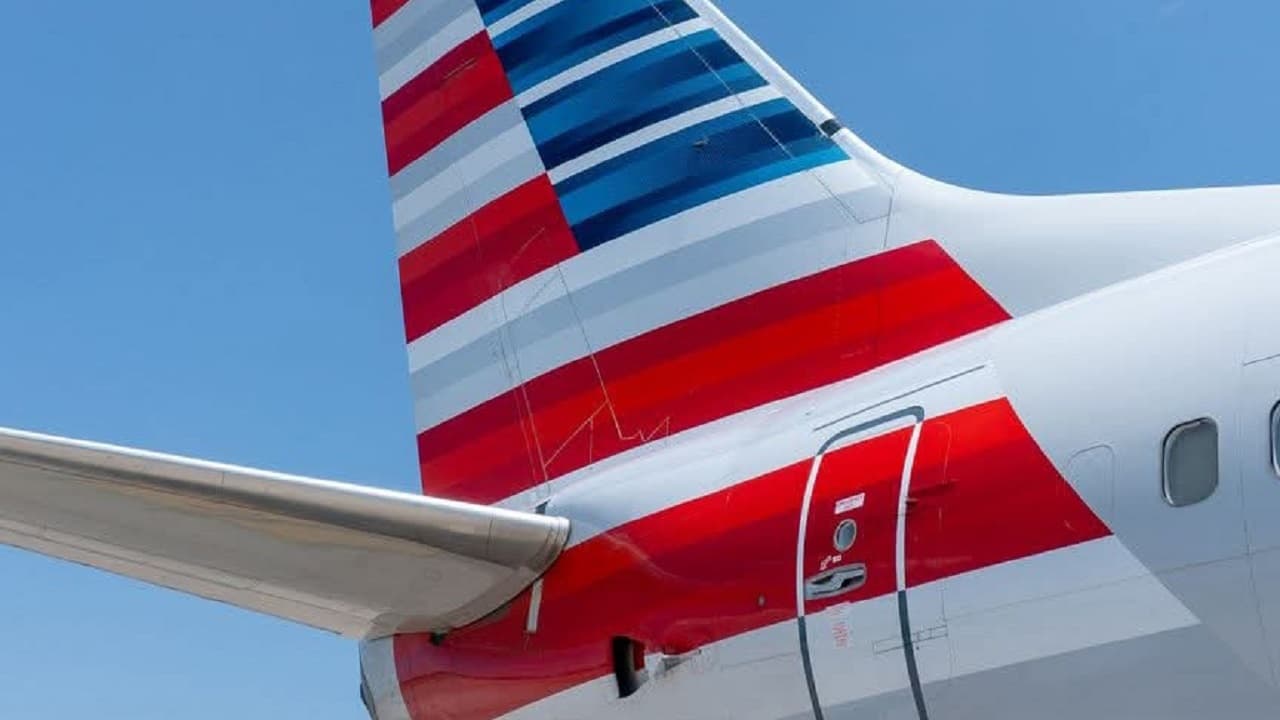
The incident, which took place on a flight from Charlotte Douglas International Airport to Liberia's Daniel Oduber Quirós Airport, was reported by a passenger who witnessed the pilot leaving the gate to get a coffee from Starbucks. The passenger expressed frustration at the delay, questioning the respect shown to customers when a whole plane is held up for a cup of coffee. However, analyst Gary Leff points out that the responsibility lies with American Airlines, which has been serving low-quality coffee on board for years, affecting both customer experience and operational reliability.
The quality of in-flight coffee has become a significant issue, with many pilots and crew members opting to grab a coffee from the terminal before boarding, leading to potential delays. This 'hunt for good coffee' is a consequence of the cost-cutting measures applied to in-flight beverages, which may save the company a few million dollars but can generate more costly operational risks.
The incident highlights the often-underestimated impact of in-flight service quality on punctuality and regularity. The coffee, a widely consumed beverage on planes, is a prime example. United Airlines, for instance, serves 72 million cups of coffee per year through its partnership with illy. Every decision regarding the beverage offer has a ripple effect on customer satisfaction, crew workload, and, indirectly, operational performance.
American Airlines has acknowledged its weaknesses in this area and has partnered with the Italian brand Lavazza to improve its in-flight coffee offer. Starting in 2026, the company will serve Lavazza coffee in all cabins and lounges, aiming to provide a richer and more consistent cup to its customers. This move is part of the company's efforts to enhance its overall product and customer experience.
The incident and the subsequent changes announced by American Airlines demonstrate the importance of considering the impact of cost-cutting measures on operational reliability and customer satisfaction. As the airline industry continues to evolve, companies must balance their efforts to reduce costs with the need to maintain high-quality services and ensure the satisfaction of their customers.
In conclusion, the delayed flight due to the Starbucks queue incident serves as a reminder of the complex relationships between cost-cutting measures, in-flight service quality, and operational reliability. As airlines strive to improve their services and customer experience, they must carefully consider the potential consequences of their decisions on the overall performance of their operations.