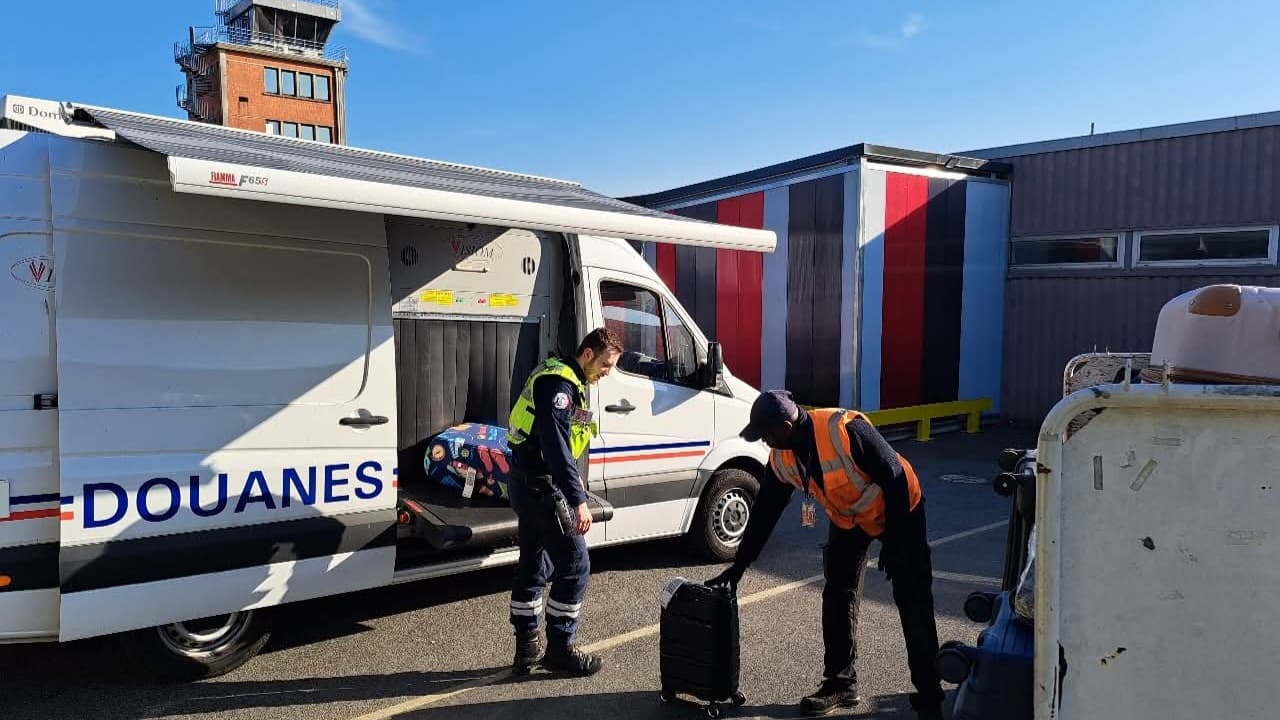
Customs control at French airports is a routine procedure that every traveler may face. Knowing the rules can significantly reduce stress and prevent unexpected fees. This article, based on information from the travel agency Promovols, details the specific allowances and procedures to keep in mind when entering France.
**Key Allowances at a Glance**
The duty-free allowances depend on your country of origin and the type of goods you carry. For air or sea travelers aged 15 and over, the total value of purchases allowed without declaration is €430. Beyond that, you must declare goods and pay customs duties and VAT. Cash or equivalent monetary instruments over €10,000 must be declared. For tobacco, adults can bring up to 200 cigarettes (one carton) or 250g of smoking tobacco. Alcohol limits are 1 liter of spirits over 22% alcohol by volume, or 2 liters of fortified wines like port or vermouth. Animal products such as meat and dairy are generally prohibited from non-EU countries, with limited exceptions like infant formula. Fish products are allowed up to 20 kg under sanitary conditions, and other food items like honey or spices are limited to about 2 kg.
**What Happens During a Customs Check?**
Customs officers may decide to inspect your luggage at the airport. This does not necessarily mean an offense has been detected. The key is to remain calm and present receipts or proof of purchase for your items. If you exceed the allowances, you may be required to pay duties, taxes, or even fines. Promovols advises that when in doubt, it is better to declare your purchases voluntarily than to risk a penalty. A spontaneous declaration is often viewed more favorably than a violation discovered during a thorough inspection.
**Best Practices for Travelers**
To travel with peace of mind, keep all receipts, especially for valuable items. Declare any goods that might exceed the allowances or are subject to restrictions. Avoid transporting prohibited items such as certain animals, plants, medications, or counterfeit goods. The best time to act is before you shop: check the applicable customs allowances for your destination and origin. Rules can differ between EU and non-EU countries, so a few minutes of research can save you from unpleasant surprises at customs.
**Why This Matters for ATPL and ATC Students**
For future pilots and air traffic controllers, understanding customs regulations is part of the broader operational knowledge required for international flights. Pilots may need to advise passengers or handle their own declarations when traveling for work. ATCs, while not directly involved, benefit from awareness of procedures that affect airport operations and passenger flow. This knowledge helps in managing expectations and ensuring compliance with international aviation and customs laws.