**A Wake-Up Call for Aviation Security**
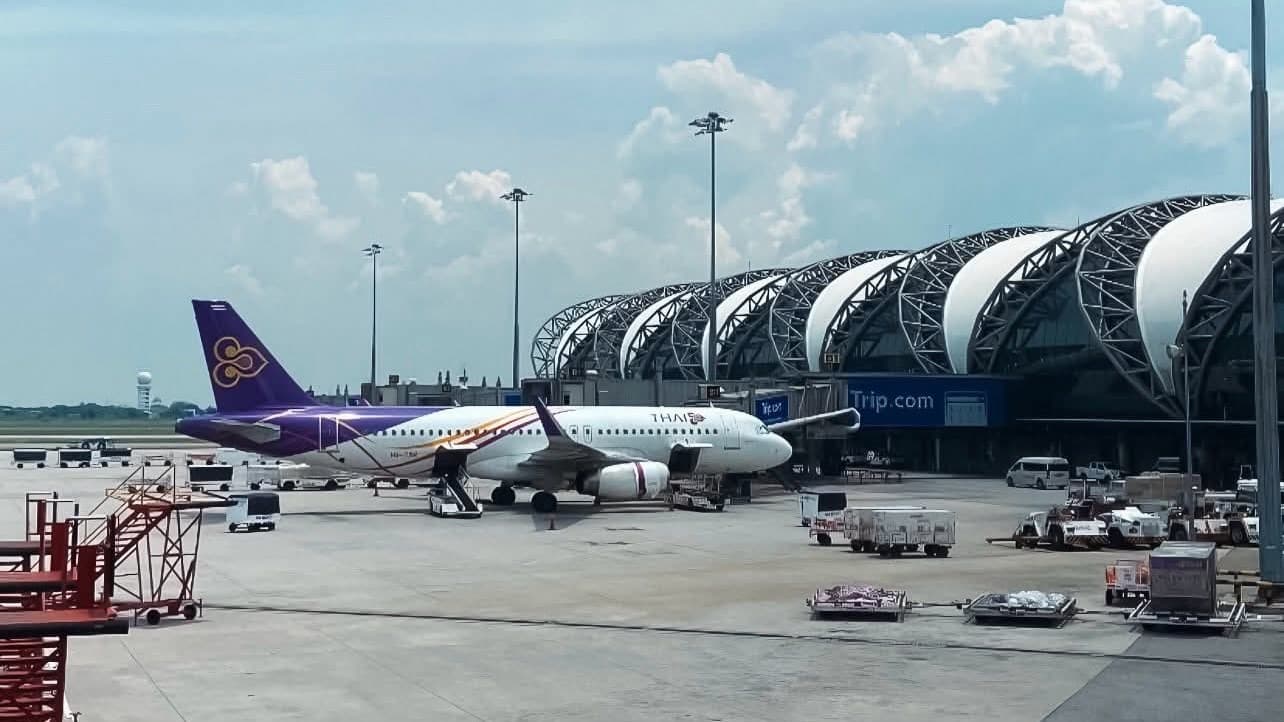
On June 25, a 26-year-old Thai Airways flight attendant was arrested at Melbourne Airport after Australian customs found over one kilogram of heroin hidden in the lining of twelve tote bags she was carrying. The street value of the drugs is estimated at AUD 500,000 (approximately EUR 300,000). The attendant was on duty, wearing her uniform, and had just arrived on flight TG465 from Bangkok. She now faces charges of importing and possessing a commercial quantity of drugs, each carrying a maximum penalty of 25 years in prison in Australia. Her bail was denied, and she is scheduled to appear in court again in September.
**The Social Media Recruitment Pipeline**
What makes this case particularly alarming for the aviation industry is the method of recruitment. According to Thai media, the attendant had posted on a Facebook group seeking "opportunities to transport goods" abroad. She was then contacted by a profile using the name "Rose," who offered her 8,800 baht (about USD 240) to carry the bags to Australia. Other Thai crew members have reported receiving similar approaches on TikTok and Facebook, with messages like "Do you take extra luggage when you travel?" or "Are you looking for extra income?" One flight attendant working for a regional low-cost carrier said she ignored such a message on TikTok, but the arrest of her Thai Airways colleague confirmed her suspicions.
**Why This Matters for ATPL and ATC Students**
This case exposes a structural vulnerability: cabin crew, especially those from countries with lower salary scales, are being targeted by criminal networks because of their mobility, the respectability of their uniform, and the perception that they are less likely to be searched than ordinary passengers. For ATPL students, this underscores the importance of security awareness and the need to report any suspicious approaches. For ATC students, it highlights the broader security ecosystem in which they operate—airport security is not just about passengers and baggage; it also involves monitoring crew behavior and cargo.
**Thailand's Response and Broader Implications**
Thai Airways has suspended the attendant and is cooperating with Australian authorities. The Thai Office of the Narcotics Control Board (ONCB) confirmed that the heroin originated from the Golden Triangle in Myanmar, with Thailand serving as a transit and repackaging hub for exports to Oceania. Bangkok has intercepted over 24 kg of heroin destined for Australia and Taiwan in recent months. In response, Thai authorities have announced enhanced security checks and targeted inspections of crew baggage at major airports. New procedures include more frequent crew bag searches and increased intelligence-sharing.
**A Rare but Revealing Incident**
While such arrests are rare, they reveal a systemic issue: criminal networks are adapting to airport security by recruiting insiders. The Melbourne case also confirms Thailand's role as a heroin transit hub to Oceania. Australian authorities emphasize that vigilance remains high and that checks target airline staff as well as passengers. The big question now is whether this attendant acted alone or is part of a larger network of crew members recruited via social media. For aviation professionals, this is a stark reminder that security is everyone's responsibility—from the cockpit to the control tower.