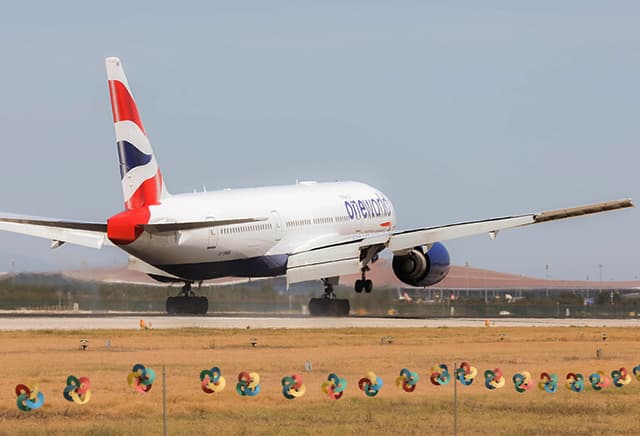
A British Airways flight from Bridgetown, Barbados, to London-Heathrow was cancelled on July 6 after several crew members were found unfit for duty due to excessive alcohol consumption, leaving 336 passengers stranded. The flight, BA254 operated by a Boeing 777-200, was grounded after reports emerged that part of the crew had spent the night drinking at an all-inclusive beach resort just hours before their shift. According to British media, the evening escalated into a heavy drinking session involving vodka and beer. A flight attendant reportedly vomited at the hotel bar, while a colleague collapsed and had to be escorted to his room. Hotel guests filmed the scenes, and some complained. One crew member allegedly responded, "We're on British Airways, so what?" The footage and complaints reached airline management, leading to the cancellation.
British Airways immediately cancelled the flight and arranged a replacement crew to repatriate the affected passengers and the crew under investigation. At least four employees have been suspended pending an internal inquiry, though the airline has not confirmed the exact number. In a statement, British Airways said: "We demand the highest level of professionalism from our crew and are investigating this matter urgently." The airline reminded that its crews are subject to strict rules on alcohol consumption and fitness for duty, designed to ensure flight safety.
For ATPL and ATC students, this incident is a stark reminder of the critical importance of crew resource management (CRM) and adherence to alcohol regulations. Under EASA and UK CAA rules, crew members must not consume alcohol within 8 hours of duty (the "bottle-to-throttle" rule) and must have a blood alcohol concentration below 0.02%. Violations can lead to severe penalties, including license suspension or revocation. This case also underscores the role of reporting culture and the consequences of unprofessional behavior, which can compromise safety and disrupt operations. As future aviation professionals, understanding these regulations and the human factors behind them is essential for maintaining the highest safety standards.