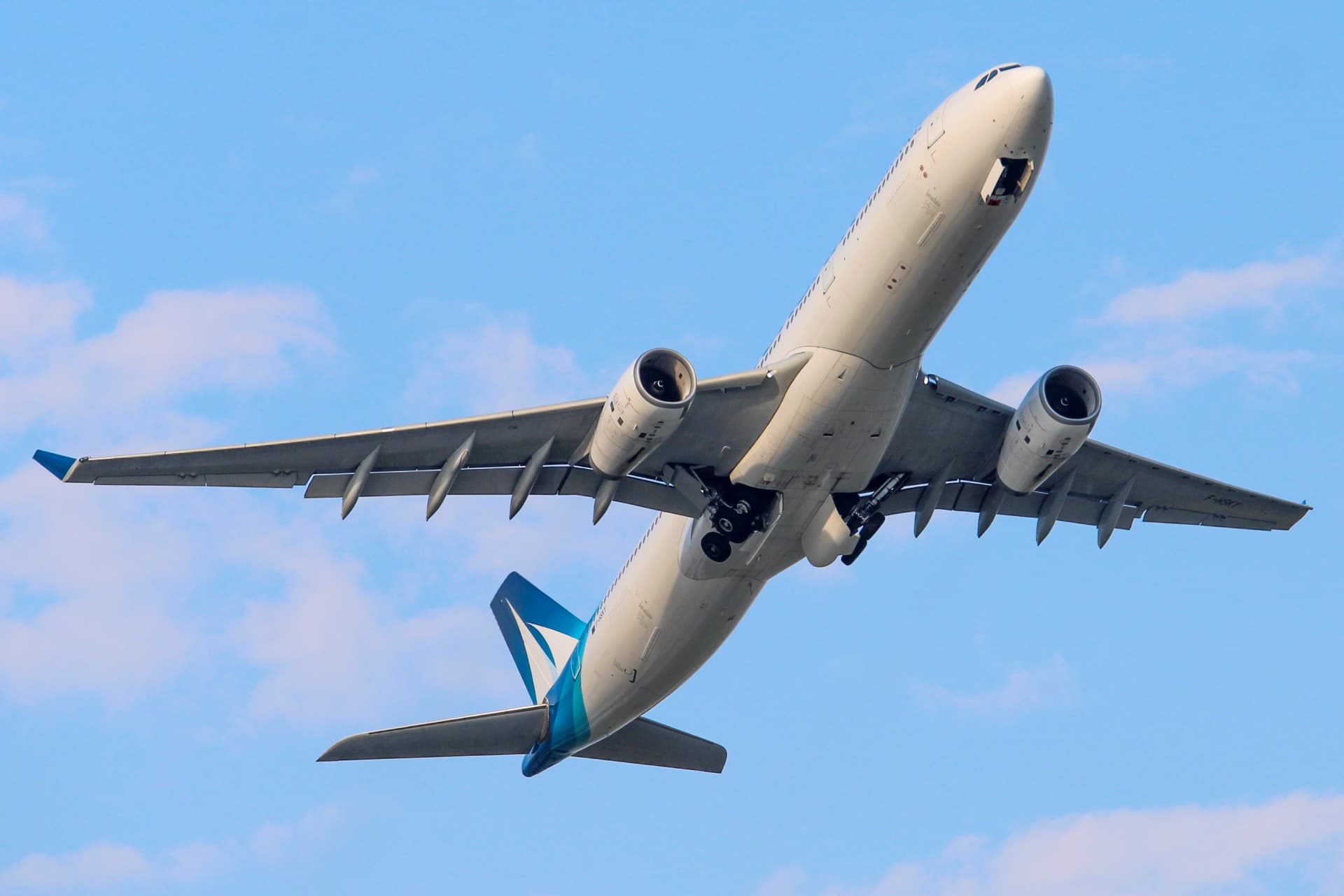
Corsair has announced the launch of direct weekly flights from Marseille and Toulouse to Pointe-à-Pitre, Guadeloupe, beginning in mid-December 2026. The Marseille–Pointe-à-Pitre route will start on December 15, followed by Toulouse–Pointe-à-Pitre on December 16, both operated once a week with Airbus A330neo aircraft throughout the 2026–2027 winter season. The flights are scheduled to run until late April 2027. This expansion is part of Corsair's broader strategy to connect French regional airports directly to overseas territories, a model that has already been tested on routes from Bordeaux to Fort-de-France and Nantes to Pointe-à-Pitre.
For ATPL and ATC students, this development offers a real-world case study in airline network planning and fleet utilization. Corsair's decision to deploy the A330neo on these routes highlights the importance of fuel-efficient, long-range aircraft for opening new point-to-point markets. The A330neo, with its reduced fuel consumption and lower emissions, is a key asset for airlines seeking to balance operational costs with environmental goals—a topic increasingly relevant in ATPL exams and ATC training, where discussions on sustainable aviation and noise abatement procedures are growing.
The airline's partnership with Air Inter Iles by St Barth Executive for onward connections to Saint-Barthélemy and Marie-Galante demonstrates the value of interline agreements in expanding network reach without additional fleet investment. This is a practical example of how airlines optimize connectivity through codeshares and feeder services, a concept ATPL students encounter in airline management modules. For ATC trainees, the introduction of new weekly slots at Marseille and Toulouse airports may require adjustments to slot coordination and traffic flow management, especially during peak winter season.
Corsair's strategy also reflects a shift away from the traditional hub-and-spoke model centered on Paris, a trend that has implications for airspace management and airport capacity planning. By bypassing congested Parisian airports, these direct routes reduce transfer times and simplify passenger itineraries, but they also create new demand for ATC services at regional airports. Students should note how such network changes can influence traffic patterns, runway utilization, and the need for updated standard instrument departures (SIDs) and arrivals (STARs).
Finally, the pricing strategy—with introductory round-trip fares starting at €760—illustrates the competitive dynamics in the French overseas market. ATPL candidates studying airline economics can analyze how Corsair differentiates itself from full-service carriers and low-cost long-haul operators like French bee. The use of a homogeneous A330neo fleet ensures consistent passenger experience and operational efficiency, a lesson in fleet planning that is directly applicable to airline management case studies.