**A New Approach to Drone Traffic Management**
A team of students from Cornell University, led by doctoral candidate Mehrnaz Sabet, is making significant strides in developing a national air transportation management system for drones. Sponsored by NASA's University Student Research Challenge (USRC), the project aims to enable thousands of drones to operate safely together in the same airspace. This research is not just academic; it addresses a critical gap in current air traffic management systems that are already strained by increasing aircraft numbers.
**From Strategic to Tactical Deconfliction**
Currently, drone operators must file detailed flight plans that are checked against others to avoid collisions—a process known as strategic deconfliction. However, this method is inefficient for high-density drone operations. Sabet's team is focusing on tactical deconfliction, where drones can adapt in real-time to avoid each other, much like cars on a road. This shift is essential for the future of advanced air mobility, which includes urban air taxis, disaster response aircraft, and delivery drones.
**Blending Simulation and Reality**
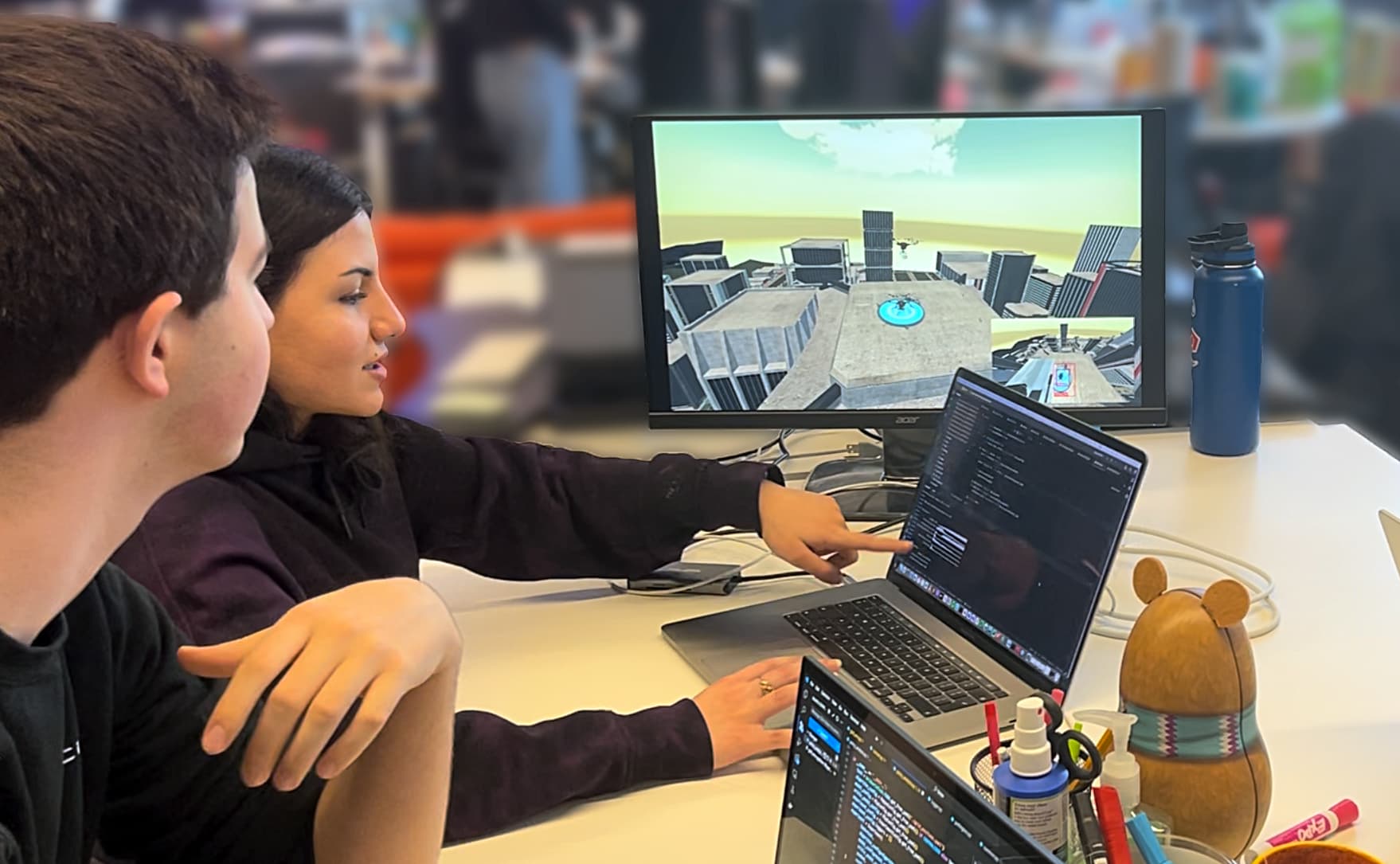
To test their ideas without flying hundreds of drones, the Cornell team created a virtual urban environment to simulate high-volume traffic scenarios. They then embedded this simulation into a real drone flying over an open field, making the drone "think" it was navigating a dense city. This innovative approach allowed them to validate their algorithms in a controlled yet realistic setting. The results demonstrate how drones can autonomously react to unforeseen events and adjust their flight paths without human intervention.
**Implications for ATPL and ATC Students**
For ATPL and ATC students, this research highlights the evolving landscape of airspace management. Understanding tactical deconfliction and the integration of drones into controlled airspace is becoming increasingly important. As drones become more common, pilots and controllers will need to interact with unmanned systems, requiring new procedures and technologies. This project underscores the need for training that covers both manned and unmanned aircraft operations, preparing future professionals for a mixed airspace environment.