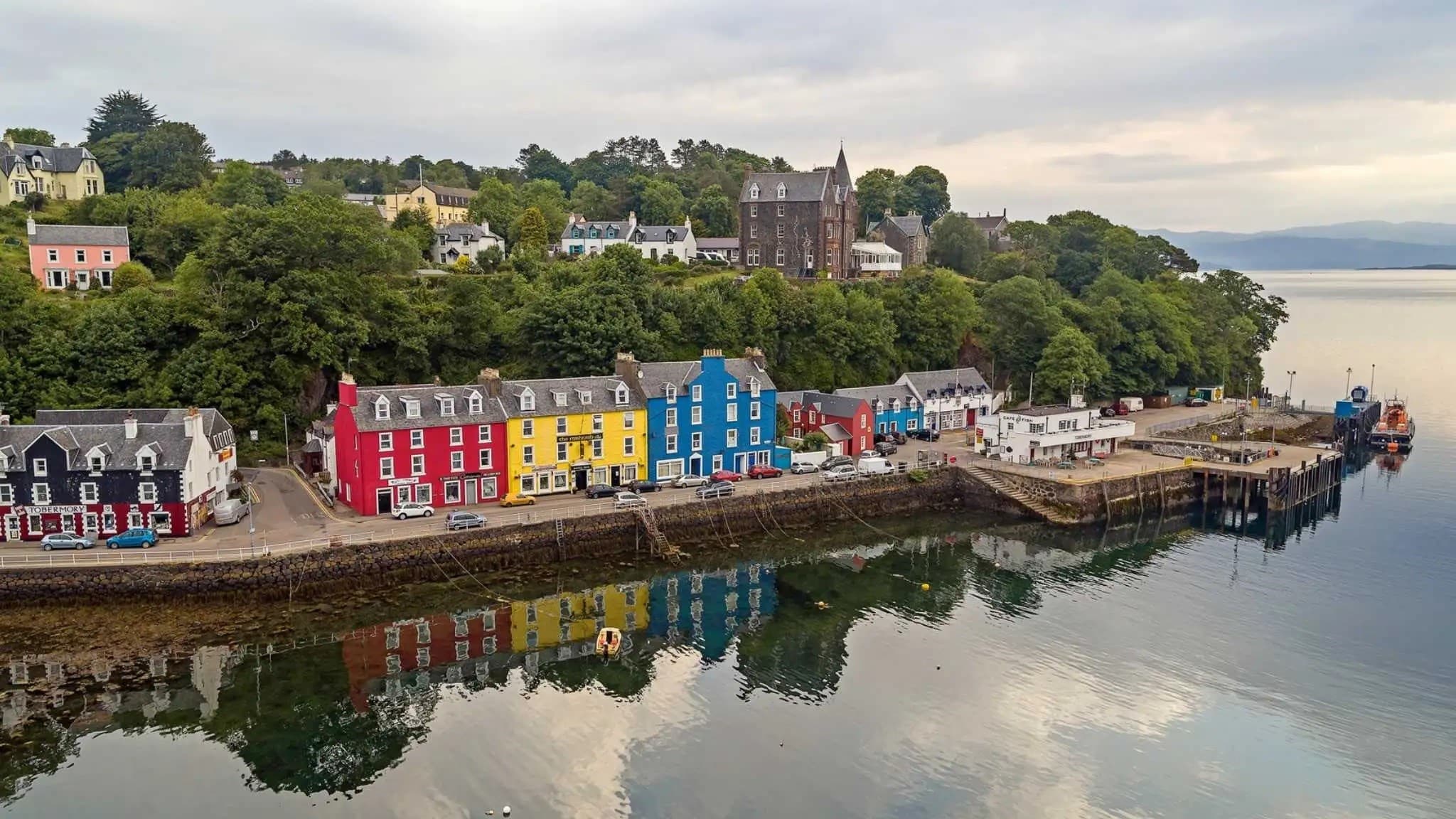
**The Rise of Coolcation**
As heatwaves continue to grip southern Europe, a new travel trend is emerging: the 'coolcation'. This portmanteau of 'cool' and 'vacation' describes the choice of holidaying in regions with milder climates, where outdoor activities remain pleasant. Ireland and Scotland are prime examples, offering cooler summers, dramatic landscapes, and a wealth of cultural events. For aviation professionals, this shift has tangible implications for route planning, seasonal capacity, and passenger forecasting.
**Ireland's Tourism Surge**
Ireland has seen a robust start to its tourist season. From January to June 2026, the country welcomed over 3.2 million international visitors staying at least one night, a 15% increase compared to the same period in 2025. Visitor spending reached €2.6 billion, up 18%. June alone saw 670,300 foreign visitors, a 2% year-on-year rise. While these figures don't isolate the 'coolcation' effect, they indicate a growing appeal for Ireland's coastal scenery, scenic routes, and nature-focused getaways. Direct air links from several French airports, depending on schedules, support this influx.
**Scotland's Cultural and Natural Appeal**
Scotland offers a unique blend of natural beauty and cultural festivals. The Edinburgh Festival Fringe, running from 7 to 31 August 2026, is a major draw. According to Amadeus, international air arrivals to Edinburgh in August are expected to rise by 16% year-on-year, with France accounting for 9% of these arrivals. However, this growth is partly due to the festival's timing and seasonal peaks. Glasgow Airport anticipates 1.31 million departing passengers from June to end of August, a 5% increase over the previous summer.
**Maritime Alternatives and Industry Signals**
Cruises provide another way to explore Ireland and Scotland, linking coastal highlights and offering a different perspective. Operators like Ponant and ABCroisière are capitalizing on this trend with dedicated itineraries. Yet, the 'coolcation' phenomenon is not uniform across northern Europe. Iceland saw a 7.4% drop in passenger numbers at Keflavík Airport in June, while Norway's international traffic remained stable. This mixed picture suggests that while the south's appeal is waning due to repeated heatwaves, the long-term winners are still uncertain. For airlines and airports, monitoring these shifts is crucial for adjusting capacity and marketing strategies.
**Implications for Aviation Training**
For ATPL and ATC students, understanding seasonal tourism patterns is vital. Changes in passenger flows affect route planning, airport operations, and air traffic management. The 'coolcation' trend highlights the need for flexible scheduling and the importance of data analysis in anticipating demand shifts. As climate patterns evolve, so too will travel behaviors, making it essential for aviation professionals to stay informed and adaptable.