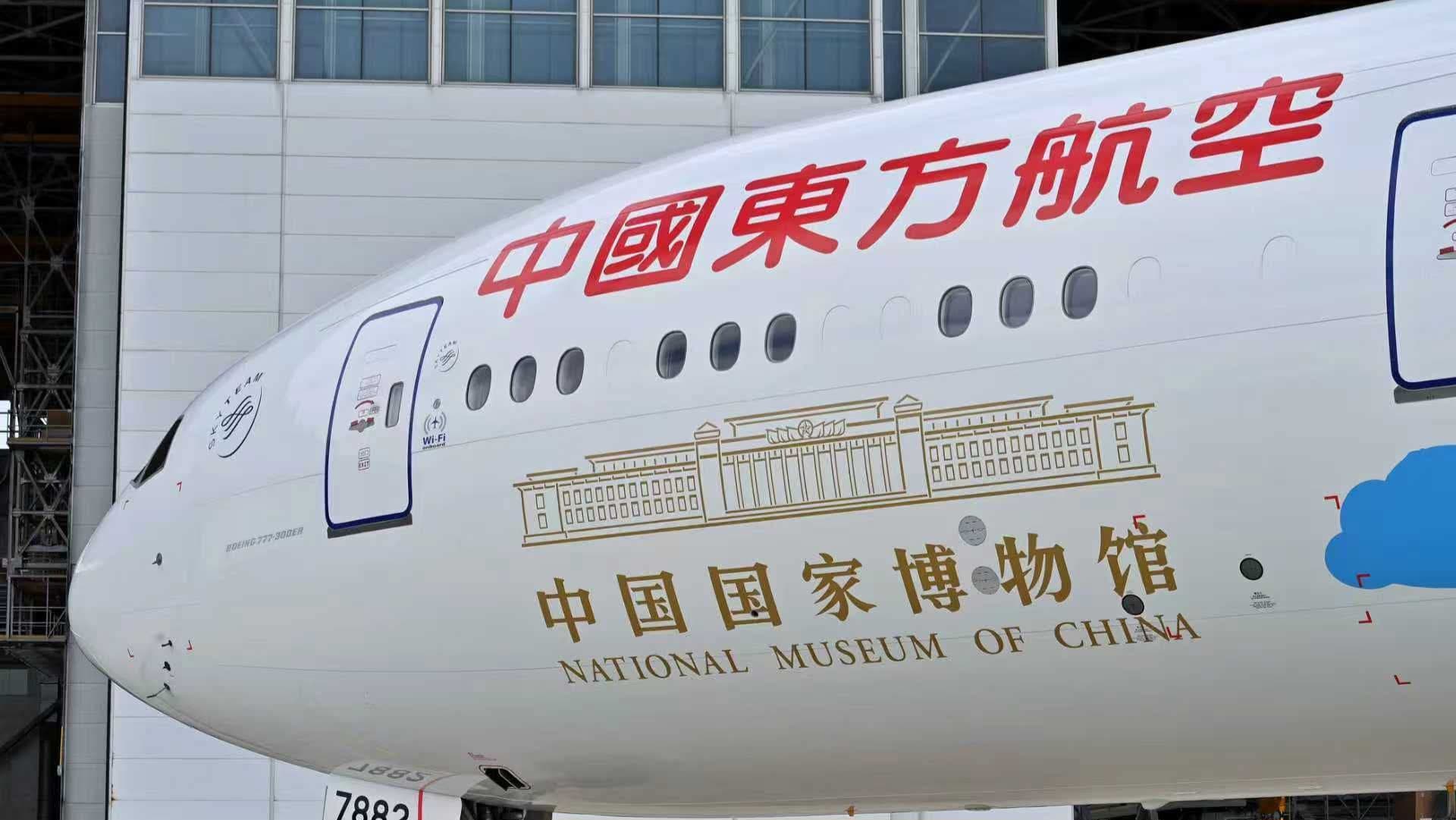
**China Eastern Resumes Shanghai–Stockholm Route: A Case Study in Long-Haul Operations**
On June 22, 2026, China Eastern Airlines officially resumed its non-stop service between Shanghai Pudong (PVG) and Stockholm Arlanda (ARN), a route suspended since early 2020 due to the COVID-19 pandemic. The inaugural flight MU289 departed with a full load factor, signaling strong demand on this strategic Asia–Northern Europe corridor. The route operates three times weekly (Monday, Thursday, Saturday) using Airbus A330 aircraft, with a flight time of approximately 11 hours 30 minutes eastbound and 10 hours westbound.
**Why This Matters for ATPL and ATC Students**
This route resumption offers a real-world example of several critical topics covered in ATPL and ATC training. First, the operational planning of long-haul flights: students can analyze fuel calculations, alternate airports, and crew duty times for an 11.5-hour sector. Second, the geopolitical dimension: Chinese carriers benefit from overflight rights over Russia, while European airlines face longer routings due to airspace restrictions. This competitive asymmetry is a key point in air law and airline economics modules. Third, the choice of the A330—a twin-engine widebody—illustrates ETOPS (Extended-range Twin-engine Operations) considerations for transcontinental routes.
**Network Strategy and Seasonal Demand**
China Eastern's move is part of a broader recovery of China–Europe capacity. The airline now serves 18 European cities via 28 routes, with potential new destinations including Tbilisi and Dublin. For ATC trainees, this expansion means increased traffic complexity on North Asian and European flight information regions (FIRs), especially during peak hours. The seasonal nature of demand—business travel to Nordic tech hubs and leisure tourism—also affects slot coordination and airspace management.
**Operational Constraints and Future Outlook**
Despite the recovery, capacity on China–Europe routes remains below 2019 levels, particularly for European carriers facing higher operating costs. For ATPL students, this highlights the impact of regulatory environments on route profitability. ATC students should note that the reopening of this route may require updated sector configurations and coordination between Shanghai ACC and Stockholm ACC, especially for oceanic and polar traffic flows.
In summary, the Shanghai–Stockholm relaunch is more than a simple airline news item—it is a practical case study in long-haul operations, air law, and network planning that directly relates to ATPL and ATC curricula.