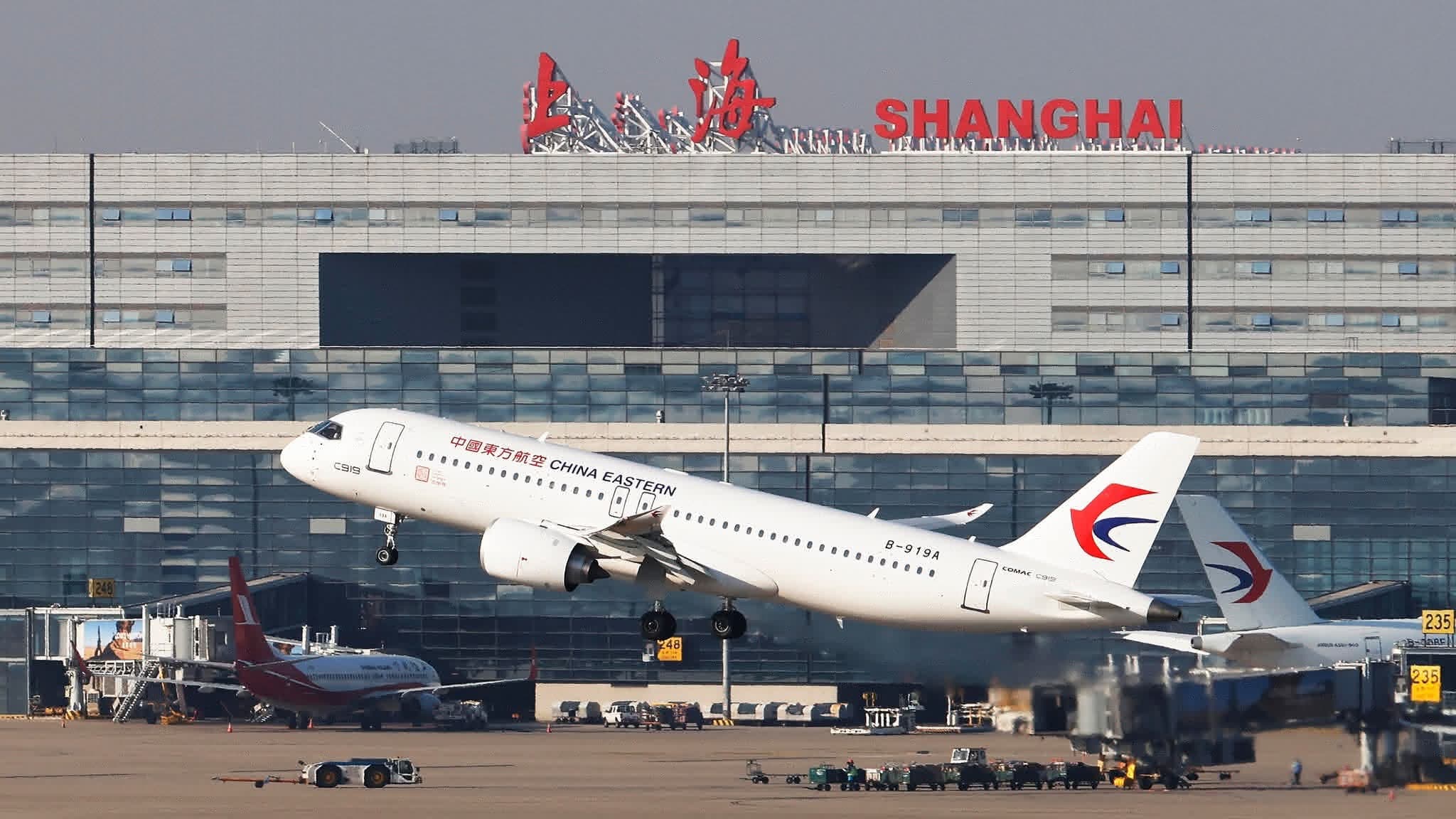
**Fuel surcharges in China are dropping again.** From June 5, major carriers like Air China, China Eastern, and China Southern will reduce the fuel surcharge on domestic tickets. For flights of 800 km or less, the surcharge falls to 80 yuan (about $11.70) per segment; for longer routes, it drops to 150 yuan. That's a reduction of 10 yuan and 20 yuan respectively compared to current levels. Infants remain exempt, while children, wounded soldiers, and disabled police officers get a 50% discount.
**Why this matters for aviation students.** Fuel surcharges are a key tool airlines use to manage volatile fuel costs without constantly changing base fares. For ATPL and ATC trainees, understanding this mechanism is essential: it directly affects airline profitability, route planning, and even load factors. When fuel prices spike, airlines may cut frequencies or shift capacity to more profitable routes—decisions that ripple through the entire air traffic system. ATC students should note that such adjustments can alter traffic flows, especially on high-density domestic networks like China's.
**The context: a dramatic swing.** This reduction follows a massive hike in early April, when the same surcharges jumped from 10/20 yuan to 60/120 yuan per segment—a sixfold increase. That spike was driven by rising global oil prices amid geopolitical tensions. The new levels (80/150 yuan) are still above pre-April rates, showing airlines are cautiously balancing cost recovery with market sensitivity. For ATPL students, this case illustrates how external factors (geopolitics, energy markets) directly impact airline operations and pricing strategies—a topic covered in ATPL syllabus modules on airline management and economics.
**China's domestic market: a giant ecosystem.** China's domestic network is one of the world's largest, linking coastal megacities with inland and remote regions. The government tightly controls the three major state-owned carriers (Air China, China Eastern, China Southern) to promote territorial cohesion and growth. Fuel surcharges give these airlines a flexible pricing tool without altering base tariffs—a nuance that future airline managers and dispatchers must grasp. The recent surge and partial retreat reflect the carriers' struggle to maintain margins against low-cost competitors and high-speed rail, a dynamic that influences route planning and slot allocation.
**What this means for your training.** For ATPL students, this real-world example reinforces the importance of fuel cost management in airline financial planning. For ATC trainees, it highlights how economic decisions by airlines can change traffic patterns, especially on domestic routes where surcharge adjustments may shift passenger demand. Understanding these interconnections will make you a more informed professional, whether you're in the cockpit or the control tower.