**A welcome reprieve for global aviation**
The International Energy Agency (IEA) has released projections indicating that the oil market could shift into a significant surplus by 2027, following a turbulent 2026 marked by geopolitical tensions and soaring fuel prices. According to the IEA's monthly report published on June 17, 2026, global oil supply is expected to increase by nearly 8 million barrels per day in 2027, while demand growth is limited to about 2 million barrels per day. This differential would create a surplus exceeding 5 million barrels per day, offering a potential lifeline to an industry grappling with high operating costs.
**Fuel costs: the biggest variable for airlines**
For airlines, fuel represents on average nearly 30% of operating expenses, according to the International Air Transport Association (IATA). Any fluctuation in oil prices directly impacts profitability. In 2026, the surge in kerosene prices—exacerbated by the closure of the Strait of Hormuz, a chokepoint for 20% of global oil—forced IATA to revise its global profit forecast down to $23 billion, from an earlier estimate of $41 billion and compared to $45 billion in 2025. Willie Walsh, IATA's Director General, cited by Reuters, attributed this to "the significant increase in fuel prices, far beyond what anyone anticipated, and disruptions affecting carriers in the Gulf region."
**What this means for routes and fares**
A sustained easing of oil prices would allow airlines to restore margins eroded by higher costs and longer flight paths required to avoid conflict zones. It would also provide commercial flexibility: limiting fare increases, maintaining less profitable routes, and possibly reinstating suspended services. In a context of sustained demand, this cost relief could support global traffic growth. However, structural challenges remain—aircraft delivery delays, maintenance bottlenecks, rising labor costs, and airspace restrictions continue to constrain capacity and profitability.
**Jet fuel market already showing signs of relief**
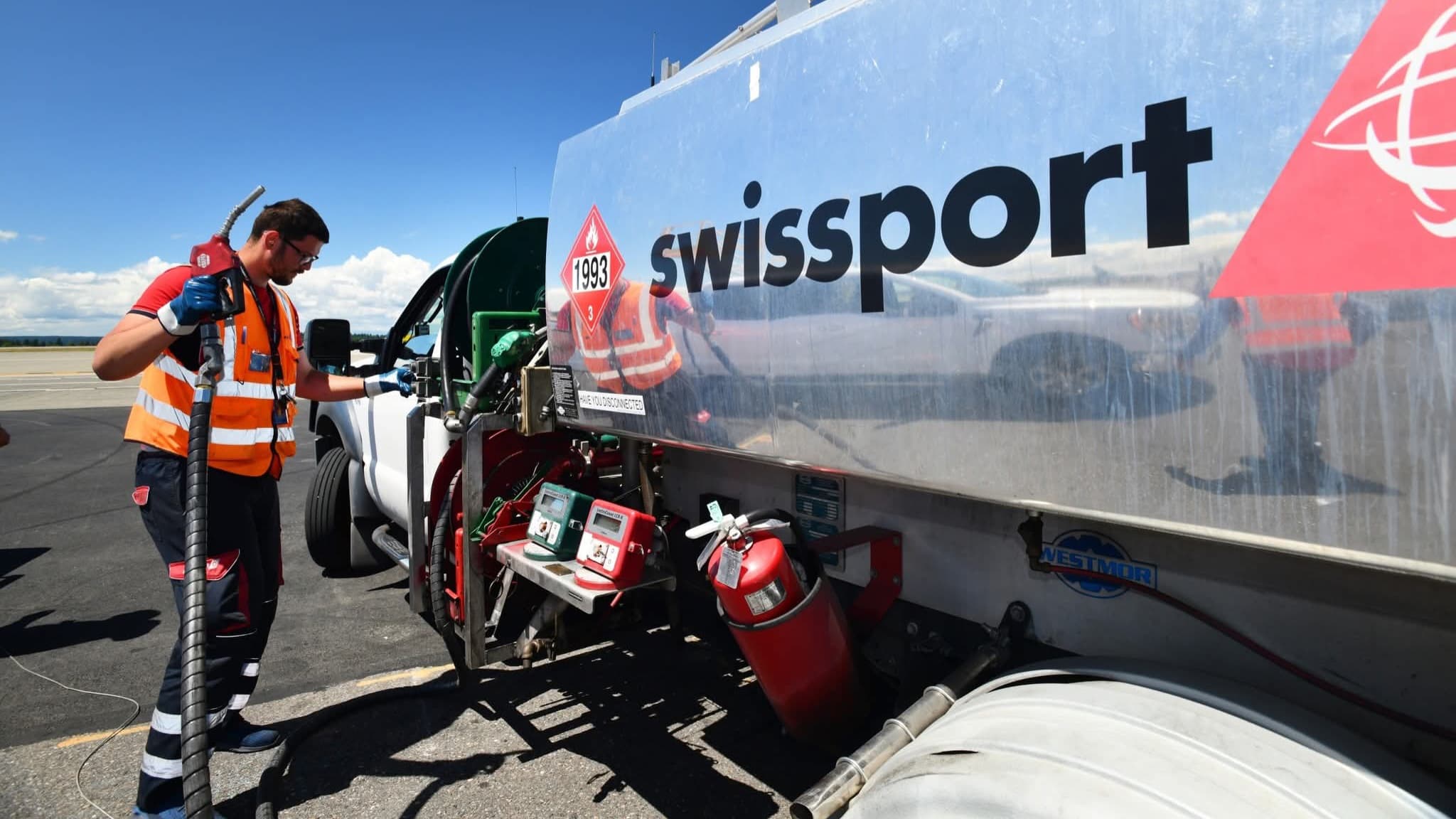
The IEA notes that rebalancing is already visible in the aviation fuel market. Increased refinery output and resumed exports have eased fears of shortages ahead of the summer peak season. "Concerns about a jet fuel supply deficit before the peak summer season have significantly diminished in recent weeks," the agency stated. Yet global stockpiles remain under pressure. The U.S. Energy Information Administration warns that reserves could fall to their lowest since 2003 if current trends persist.
**Geopolitical dependency remains**
The 2027 surplus scenario hinges on lasting stability in the Middle East. A recent U.S.-Iran agreement, including the reopening of the Strait of Hormuz and a 60-day negotiation period, has already helped lower oil prices. The gradual resumption of maritime flows and expected production increases should confirm this trend in the coming months. For aviation professionals, this underscores how geopolitical events directly affect fuel costs, route planning, and ultimately, the financial health of the industry.