**Charleroi Airport’s New Temporary Security Zone: A Lesson in Operational Flexibility**
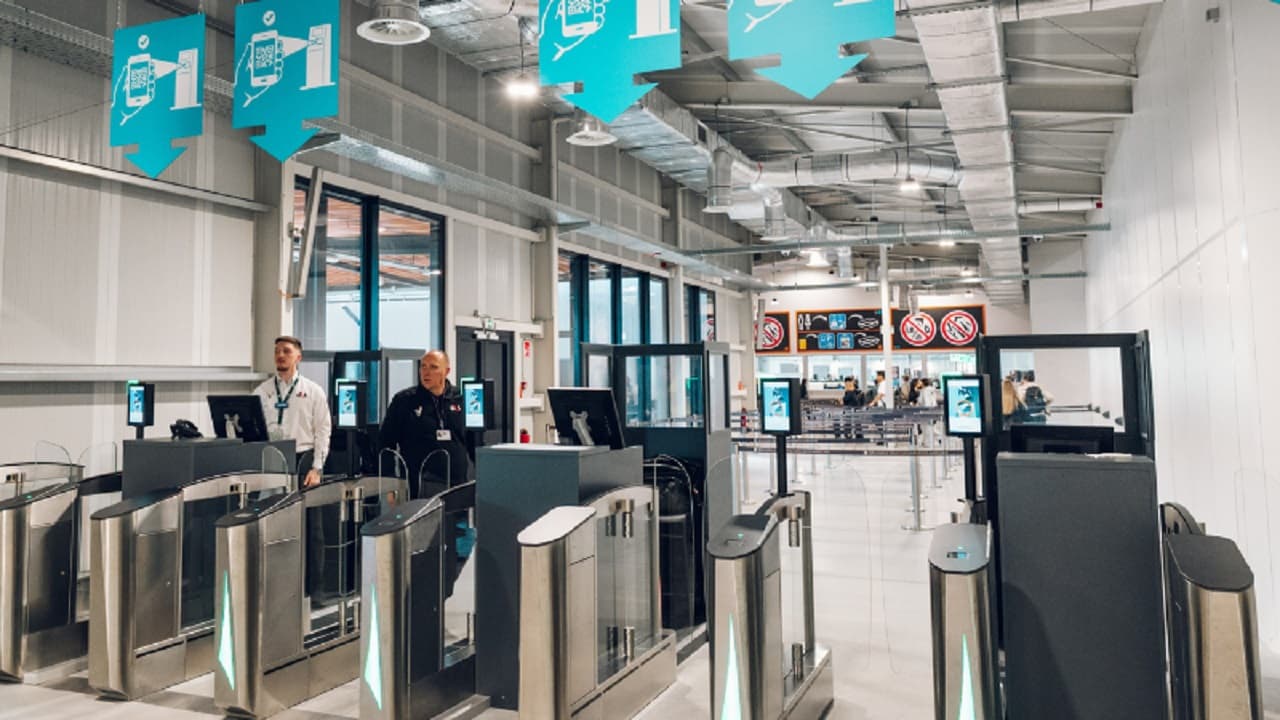
On April 23, 2026, Brussels South Charleroi Airport (BSCA) officially opened a temporary security screening facility designed to tackle the notorious queue issues that plagued the airport during the summer of 2025. Located on Place Princesse Astrid, opposite Terminal 1, the new 1,740 m² building houses 14 screening lanes—up from the previous nine—along with a spacious preparation area equipped with recycling bins and a well-lit waiting room. Signage has been revamped to better inform passengers about permitted and prohibited cabin items, and a dedicated agent directs travelers to the least congested lanes.
**Why This Matters for ATPL and ATC Students**
For future pilots and air traffic controllers, understanding airport security infrastructure is not just about passenger convenience—it directly impacts operational efficiency. Delays at security checkpoints can cascade into late departures, missed slots, and increased workload for ATC. Charleroi’s pragmatic response—designing the solution in two months and building it in just three, at a cost of approximately €5 million—demonstrates how airports can rapidly adapt to capacity constraints. The facility is expected to remain in use until at least the end of 2028, providing a buffer while more permanent upgrades are considered.
**Operational Impact and Student Takeaways**
From an ATPL perspective, this case illustrates the importance of ground handling coordination. Security throughput directly affects boarding times and turnaround schedules. For ATC students, it highlights how airport infrastructure decisions influence traffic flow: smoother security means fewer delays, which in turn reduces holding patterns and last-minute runway changes. The airport’s recommendation that passengers arrive three hours early during peak periods is a reminder that even with improved facilities, human factors and passenger behavior remain critical variables.
**Broader Industry Context**
Charleroi’s move reflects a wider trend among European airports investing in temporary or modular security solutions to handle growing passenger numbers without long construction timelines. With over 3 million passengers annually and steady growth, BSCA’s low-cost model depends on quick turnarounds. This project shows that even modest investments—when well-planned—can yield significant improvements in passenger experience and operational reliability. For aviation students, it’s a real-world example of how airports balance safety, efficiency, and passenger satisfaction.