**Industry context: Why wet leases matter**
In the fast-paced world of commercial aviation, airlines often face sudden spikes in demand that their own fleets cannot cover. Wet leasing — also known as ACMI (Aircraft, Crew, Maintenance, Insurance) — offers a rapid, flexible solution. In this arrangement, the lessor provides a complete package: aircraft, flight crew, cabin crew, maintenance, and insurance. The lessee (the airline that needs capacity) simply operates the flights under its own code. This is a critical concept for ATPL and ATC students to understand, as it directly affects flight scheduling, crew coordination, and air traffic flow.
**The deal at a glance**
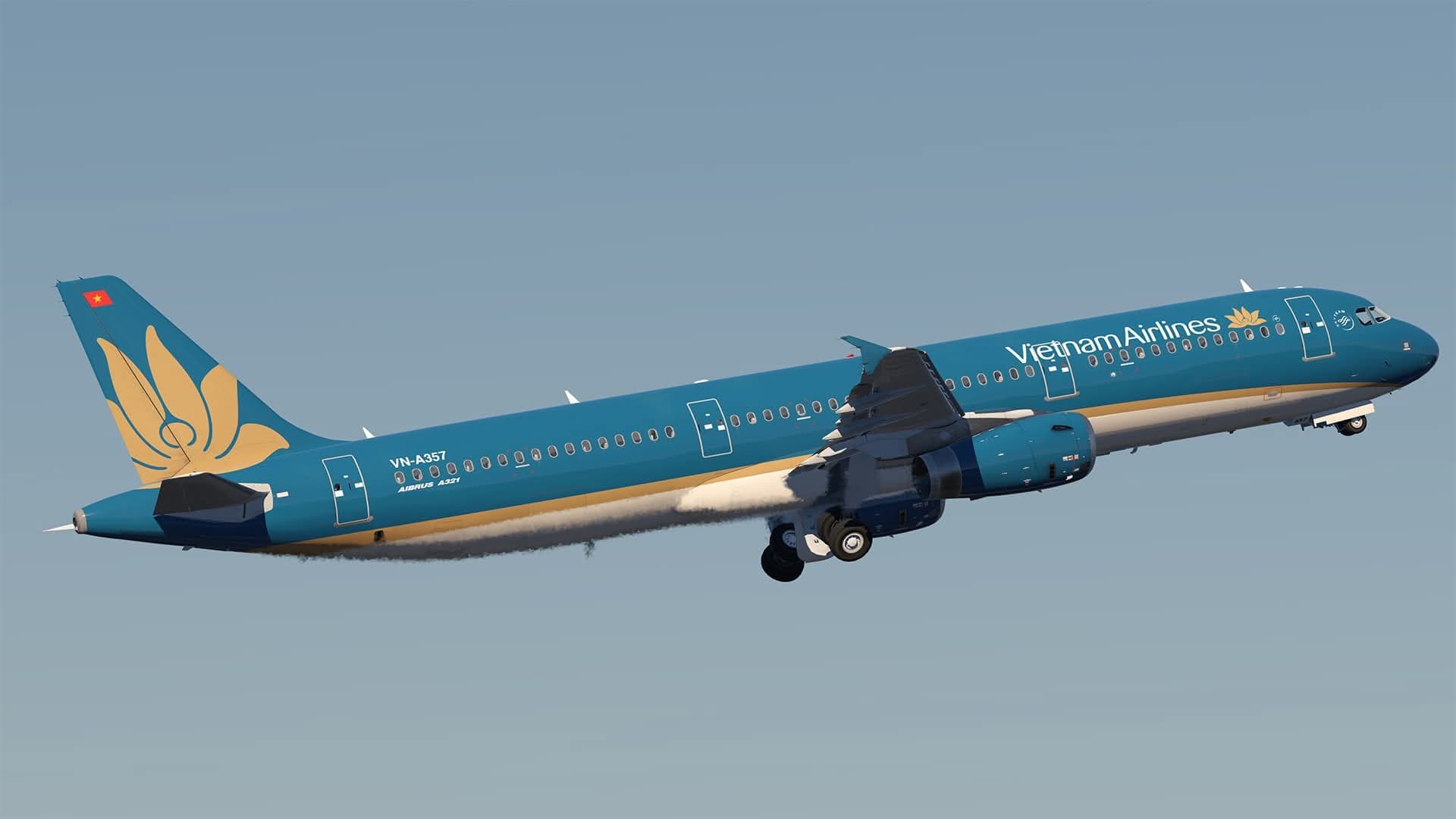
Cebu Pacific, the Philippines' largest low-cost carrier, has agreed to wet-lease one Airbus A320neo to Vietnam Airlines. The aircraft will be based at Ho Chi Minh City's Tan Son Nhat Airport and will operate domestic routes to Cam Ranh, Phu Quoc, Vinh, and Da Nang from July 15 to September 7, 2026. The aircraft will fly under Vietnam Airlines' flight code, but the cockpit and cabin crew will be from Cebu Pacific. This allows Vietnam Airlines to add seats quickly without investing in crew training or additional maintenance resources.
**Why this matters for ATPL/ATC students**
For future pilots and air traffic controllers, wet leases introduce operational complexities. Pilots from one airline flying under another airline's call sign must adhere to the lessee's standard operating procedures (SOPs) while maintaining their own company's safety culture. ATC must handle aircraft that may have different performance characteristics (e.g., engine type, weight limits) than the lessee's typical fleet. Additionally, wet leases often involve cross-border operations, requiring knowledge of international aviation regulations, bilateral agreements, and EASA/FAA equivalences. This case also highlights the growing trend of airlines using wet leases to manage seasonal demand — a topic that appears in ATPL syllabus under "Airline Operations" and "Flight Planning."
**Strategic implications**
Cebu Pacific is no stranger to wet leasing. In 2023, it damp-leased two A320ceos to Bulgaria Air, and in 2025 it wet-leased two A320s to Saudi low-cost carrier flyadeal. The airline's ability to offer such services is underpinned by its young, large fleet of over 100 aircraft, including A320/A321 family jets, A330 widebodies, and ATR turboprops. A massive order for up to 152 A321neo aircraft (with 70 firm commitments) signed in 2024 ensures Cebu Pacific will have ample capacity for future leasing deals. For Vietnam Airlines, this wet lease is part of a broader strategy to temporarily boost capacity during peak demand, as communicated in March 2026.
**Conclusion**
This wet lease agreement is a textbook example of how airlines use ACMI contracts to balance supply and demand. For ATPL and ATC students, it underscores the importance of understanding operational flexibility, cross-crew coordination, and the regulatory framework that governs such arrangements. As the aviation industry continues to recover and grow in Southeast Asia, wet leasing will likely become even more common — making this knowledge essential for future aviation professionals.