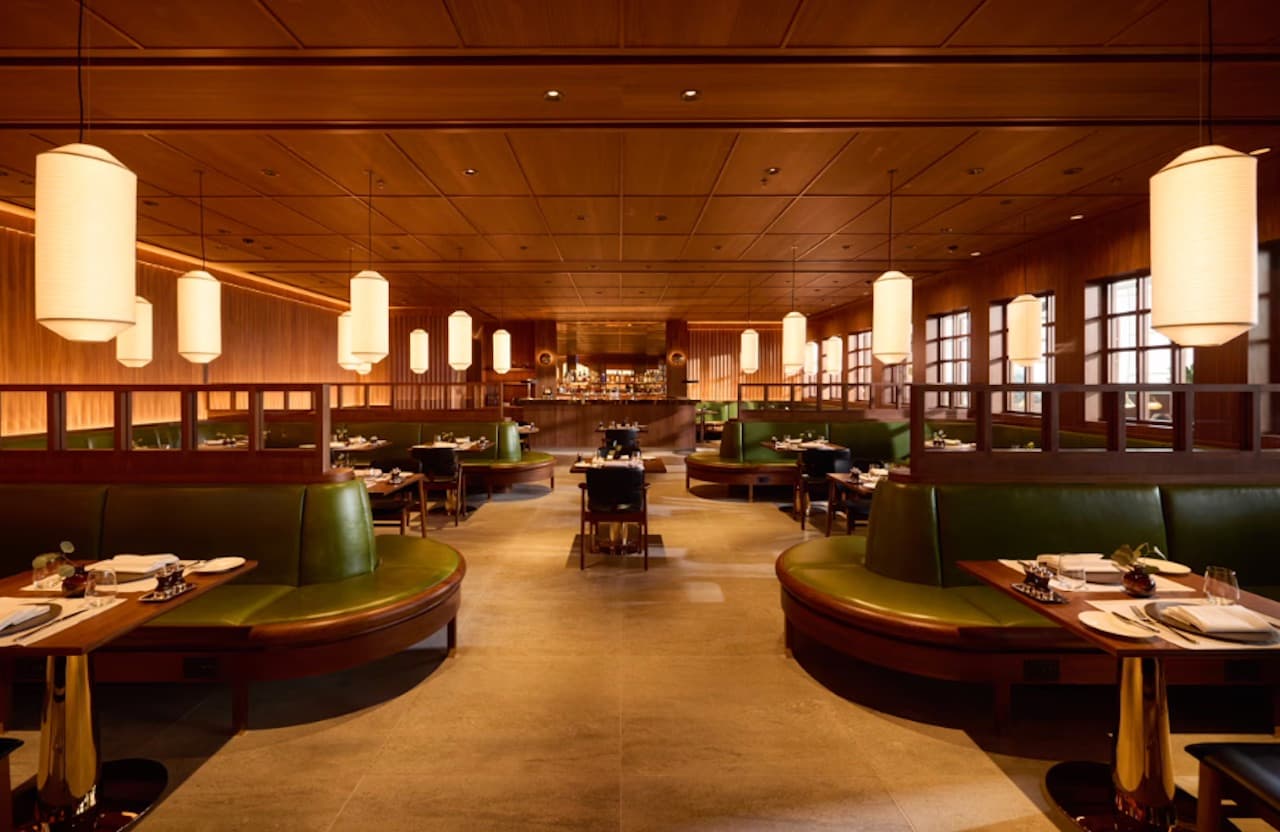
Cathay Pacific has officially reopened its iconic 'The Wing, First' lounge at Hong Kong International Airport (HKIA) on April 22, 2026, following a comprehensive redesign. This marks a pivotal step in the airline's broader strategy to elevate its premium offerings, with a total investment exceeding HKD 100 billion (approximately EUR 11.8 billion) across fleet, cabins, lounges, and digital tools. The lounge, originally established in 1998, has been transformed in collaboration with London-based StudioIlse, reflecting a modernized design that blends contemporary luxury with residential inspirations, while retaining signature elements like green onyx and introducing new features such as granite flooring inspired by traditional Chinese architecture.
From an industry perspective, this move underscores the intensifying competition among major Asian aviation hubs, such as Singapore's Changi Airport and Doha's Hamad International Airport, to attract high-value passengers through superior ground services. For airlines, investing in lounge experiences is not merely about luxury but about differentiating brand identity and fostering customer loyalty in a crowded market. Cathay Pacific's approach, which includes modular spaces like the Atrium for flexible dining and The Retreat for wellness services, sets a benchmark for integrating functionality with personalized comfort, potentially influencing global trends in airport hospitality.
For ATPL and ATC students, this development highlights the importance of understanding airline operational strategies beyond the cockpit or control tower. As future aviation professionals, you'll encounter how ground services impact overall passenger satisfaction and airline profitability. Knowledge of such investments can inform decisions related to customer service protocols, airport management, and even route planning, where premium lounges serve as key amenities for long-haul and business travelers. Additionally, the emphasis on digital tools and flexible spaces in lounges reflects broader industry shifts towards technology-driven and adaptable environments, which you may need to navigate in roles involving airport operations or airline management.
The redesigned lounge features enhanced amenities, including The Dining Room with seasonal gourmet menus, The Bureau with private workstations, and next-generation showers with customizable lighting. These elements not only cater to passenger needs but also demonstrate how airlines are responding to evolving traveler expectations for wellness, productivity, and customization. As you progress in your training, consider how such innovations might affect your future work, whether in ensuring seamless passenger flows as an ATC or in managing in-flight services as a pilot, where understanding ground-based enhancements can complement airborne experiences.
In conclusion, Cathay Pacific's revival of The Wing lounge is more than a cosmetic upgrade; it's a strategic investment that signals the airline's commitment to premium service in a competitive landscape. For aviation students, this serves as a real-world case study in how airlines leverage infrastructure to enhance brand value and customer engagement, offering insights into the interconnected nature of aviation operations, from ground services to in-flight dynamics.