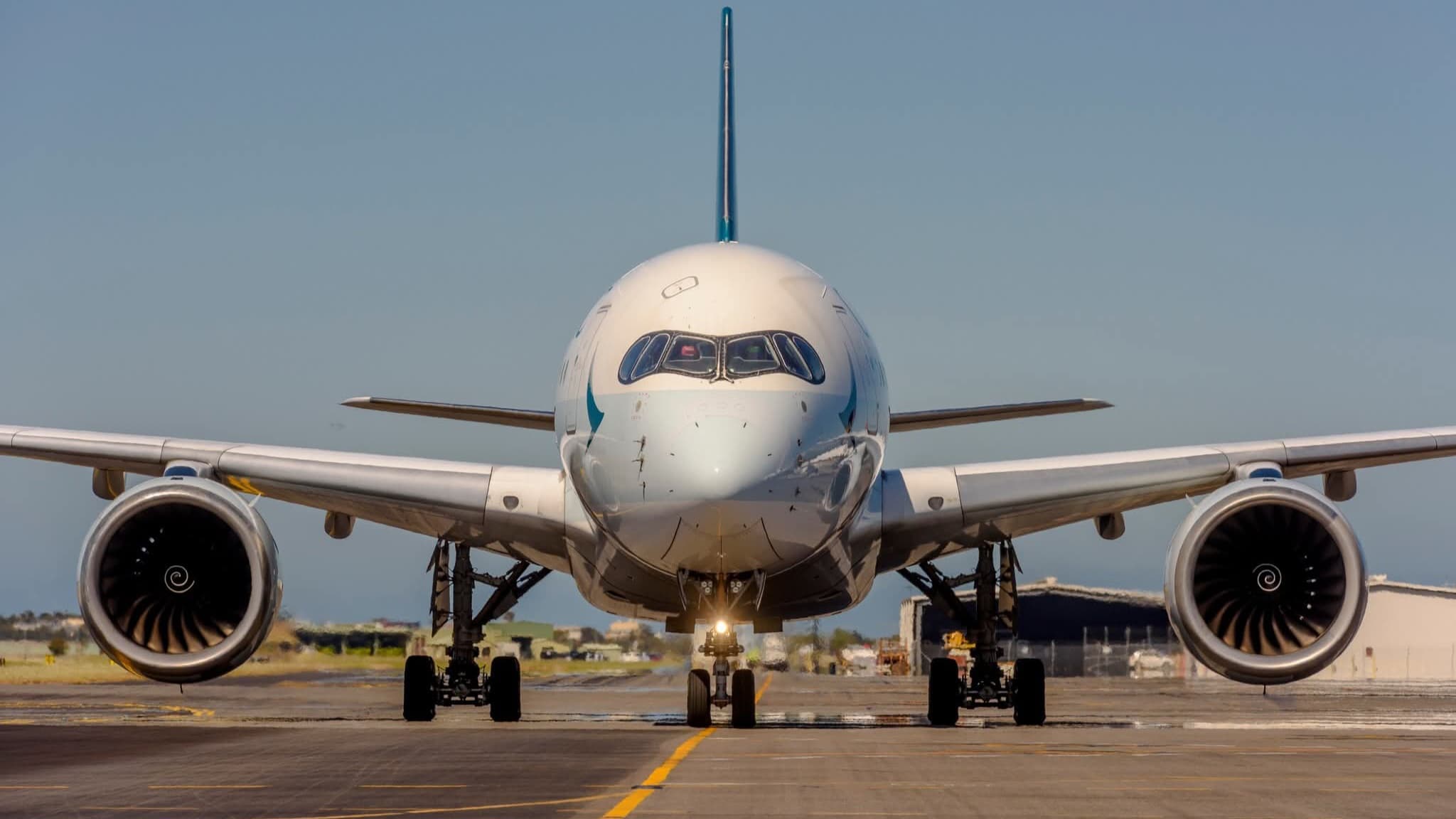
Cathay Pacific has announced plans to launch a direct service between Hong Kong and Almaty, Kazakhstan, starting in the first quarter of 2027. The route will be operated three times weekly using the Airbus A330-300, a long-haul aircraft already well-established in the carrier's fleet. This will be the only direct connection between Hong Kong and Kazakhstan, marking Cathay Pacific's first foray into Central Asia.
**Strategic context and economic drivers**
The announcement came during an official visit to Kazakhstan led by Hong Kong's Chief Executive, John Lee Ka-chiu, accompanied by over 60 business leaders. The visit aimed to strengthen economic ties with Central Asia, a region framed as a gateway for investors under China's Belt and Road Initiative. Lavinia Lau, Cathay Pacific's Chief Customer and Commercial Officer, stated that Central Asia offers significant business opportunities and that the new route aligns with the government's goal of enhancing connections with emerging markets. The route is expected to boost passenger, cargo, and capital flows.
**Market potential and historical background**
Kazakhstan is the most developed economy in Central Asia, with key sectors including mining, industrial production, and manufacturing. It is also Hong Kong's largest trading partner in the region. The demand for air travel between China and Central Asia has grown steadily, driven by trade and investment linked to the Belt and Road Initiative. Additionally, Kazakhstan is developing its tourism sector, with winter and summer outdoor activities, and will host the 2029 Asian Winter Games, which could further stimulate international air demand. Before the pandemic, Air Astana operated a twice-weekly Almaty–Hong Kong service using Boeing 757s, with a flight time of about 6 hours 10 minutes eastbound and 7 hours 10 minutes westbound. That route was suspended due to COVID-19 and has not been resumed.
**Implications for aviation training**
For ATPL and ATC students, this development illustrates several key concepts. First, it demonstrates how airlines evaluate new routes based on economic factors, fleet capabilities, and geopolitical initiatives like the Belt and Road. Second, the choice of the A330-300 highlights the importance of matching aircraft range and capacity to route demand. Third, the route's potential to stimulate cargo and passenger flows underscores the role of aviation in economic development. ATC students can note that new international routes require coordination with air navigation service providers, slot allocation, and airspace management. The example of the Milan–Almaty route, which achieved a 100% load factor after resumption in 2022 and led to a fifteenfold increase in visa applications, shows how direct flights can transform travel patterns and economic ties.
**Broader network strategy**
Cathay Pacific, together with its subsidiary HK Express, currently operates nearly 600 weekly round trips to 33 Belt and Road destinations and over 330 weekly flights to 24 mainland Chinese cities. The new Almaty service reinforces Hong Kong's position as a global aviation hub. For students, this case study is a practical example of network planning, fleet management, and the interplay between aviation and geopolitics.