**A Serious Hygiene Breach at Paris-CDG**
On July 10, 2026, the prefect of Val-d'Oise ordered the immediate administrative closure of Bijoux Catering, a caterer providing meal trays to several airlines operating at Paris-Charles de Gaulle Airport. The decision followed an inspection by the Departmental Directorate for Population Protection (DDPP), which uncovered grave violations of hygiene and food safety regulations. The caterer, located in Le Thillay, was found to be operating without the required sanitary approval for processing animal-origin products, a legal requirement under European and French food safety laws.
**Key Failures Identified**
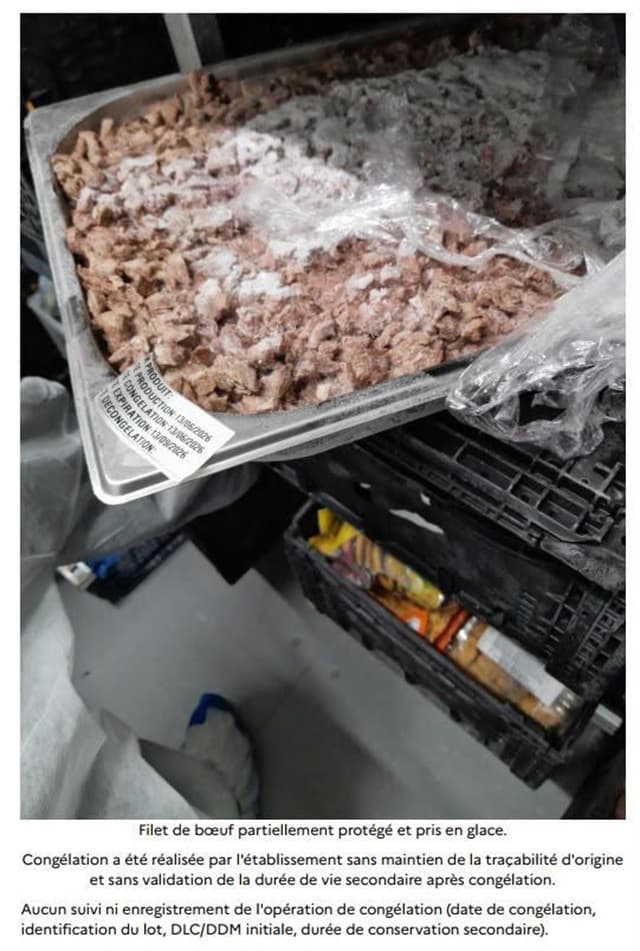
The inspection revealed multiple critical shortcomings. Traceability of food items was completely absent, meaning the caterer could not track products from receipt to final use in meal trays. There was no control over health risks in manufacturing processes, including risky procedures like freezing without adequate temperature and storage duration monitoring. The premises, equipment, and facilities were in poor condition, failing to meet basic hygiene standards. Additionally, sales or transfers of premises and equipment occurred without ensuring overall compliance of the production tool. These failures led authorities to deem the establishment a "serious and imminent danger to public health," due to the risk of contamination, microbial growth, and food poisoning.
**Impact on Aviation Operations**
Bijoux Catering supplied meal trays to multiple airlines operating from Paris-CDG, including reportedly Air India, Etihad Airways, Turkish Airlines, and Gulf Air. The caterer specialized in specific meals—halal, vegetarian, vegan, or diet-specific options—integrated into the broader in-flight catering chain. Although no confirmed cases of food poisoning have been reported, the incident highlights a critical vulnerability in aviation: the reliance on third-party suppliers for passenger safety. For ATPL and ATC students, this case underscores that aviation safety extends beyond flight operations to include ground services like catering, which can directly affect passenger health and airline reputation.
**Regulatory and Operational Lessons**
The closure is temporary, pending full compliance with hygiene standards. The caterer must implement a complete traceability system, revise manufacturing, freezing, and storage procedures, and upgrade premises and equipment. This incident serves as a reminder that aviation regulations cover every link in the chain, from farm to flight deck. For future pilots and controllers, understanding the importance of food safety and the regulatory framework (such as HACCP principles and EU food law) is essential, as it can impact flight schedules, crew health, and passenger satisfaction. It also illustrates how ground service providers are subject to strict oversight, and any failure can disrupt airline operations.
**Conclusion**
The Bijoux Catering case is a stark example of how non-compliance in seemingly peripheral services can pose serious risks. For aviation professionals in training, it reinforces the need for a holistic view of safety, where every aspect of the passenger experience—including what they eat—is governed by rigorous standards. This knowledge is not just theoretical; it may one day help you identify potential hazards or respond to incidents effectively.