**Industry Context: The Cargo Conundrum**
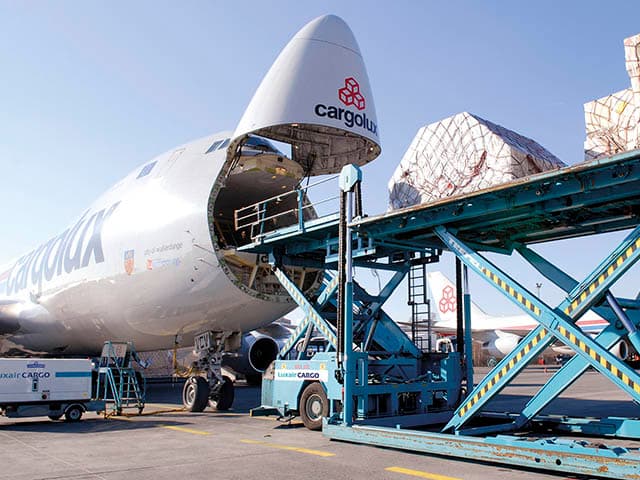
Cargolux, the Luxembourg-based all-cargo carrier, has taken a pragmatic step to bridge a capacity gap caused by Boeing's delayed 777-8F program. The airline recently announced the purchase of four used Boeing 747 freighters to ensure continuity of its operations and uphold contractual commitments. This move underscores a broader challenge in aviation: the ripple effects of aircraft development delays on airline fleet planning and network reliability.
For ATPL and ATC students, this case study offers a real-world glimpse into the complexities of fleet management. Cargolux currently operates a fleet of around 30 Boeing 747s, split between the older -400 and the newer -8F variants. The 747 has been the backbone of Luxembourg's cargo hub at Findel Airport for decades. However, the planned replacement with ten 777-8Fs (ordered in 2022) has been pushed back by several years, forcing the airline to extend the service life of its aging 747-400s and acquire additional second-hand units.
**MyATPS Angle: What This Means for Students**
From an ATPL perspective, this news highlights the importance of understanding aircraft performance and operational economics. The 777-8F is designed to offer similar cargo capacity to the 747-400 but with significantly better fuel efficiency and lower noise levels. For ATC trainees, the transition between aircraft types can affect runway occupancy times, wake turbulence categories, and noise abatement procedures. Moreover, the decision to retain older 747s means that ATC at Findel must continue handling a high volume of heavy cargo traffic, which has specific separation and handling requirements.
**Brief Analysis: Strategic Risk Management**
Cargolux's acquisition of used 747s is a classic risk management strategy. By securing additional capacity now, the airline protects its market share and customer relationships while waiting for the 777-8F. This approach also avoids the costly alternative of leasing aircraft at short notice. For students, this illustrates how airlines balance long-term fleet renewal plans with short-term operational needs. The cargo sector, in particular, relies on predictable schedules and high reliability, making such interim solutions critical.
**Conclusion**
The Cargolux case is a reminder that aviation is not just about flying from A to B—it's about strategic planning, supply chain management, and adapting to industrial realities. For those training to become pilots or controllers, understanding these dynamics will be invaluable when they face similar challenges in their careers.