**Cargolux Fined for Influence Peddling: What Aviation Students Need to Know**
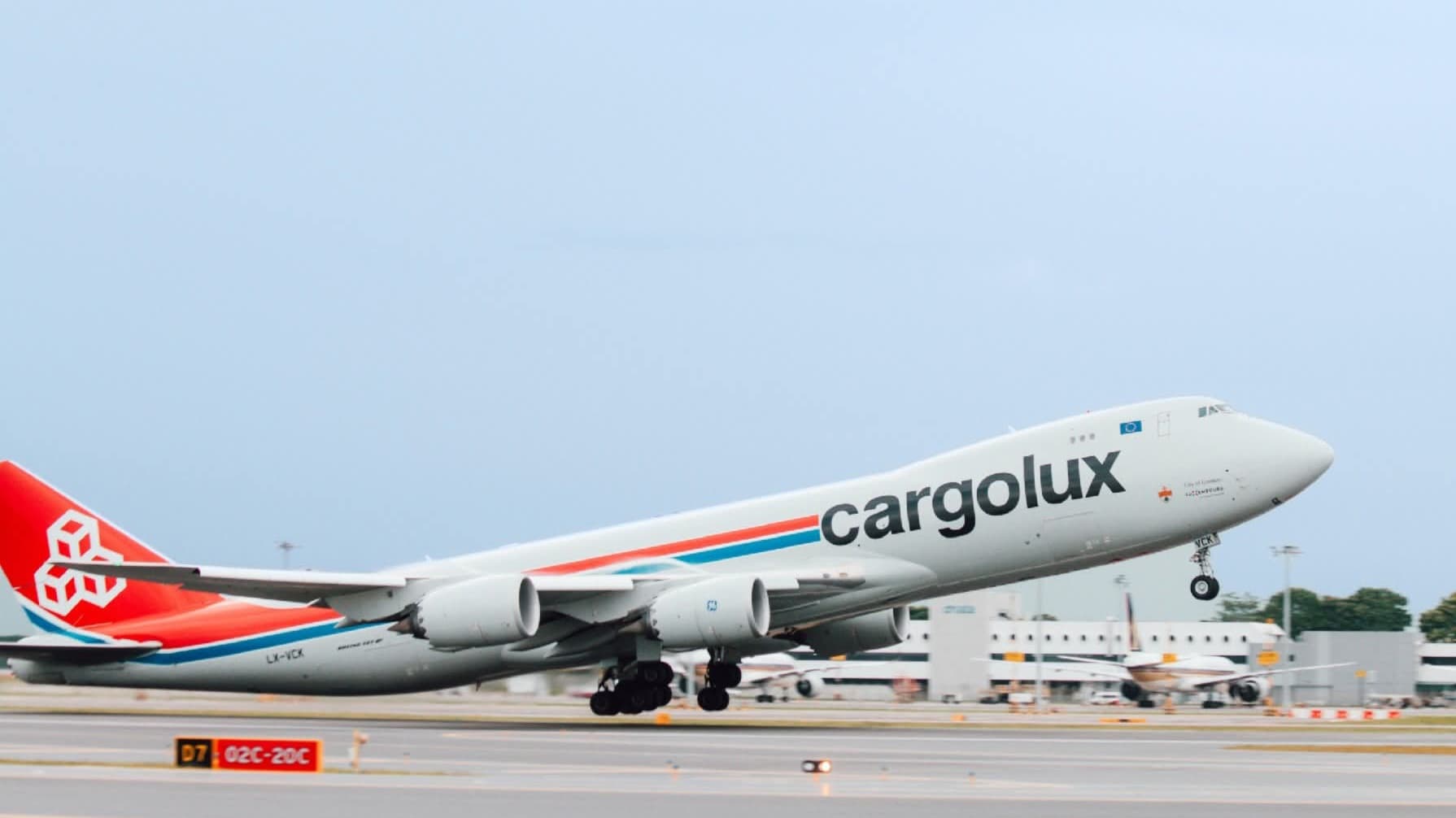
On Wednesday, the Luxembourg District Court approved a judicial agreement under which Cargolux Airlines International will pay approximately €1.15 million in fines and confiscations for influence peddling related to its operations in Gabon between 2010 and 2015. The case, which stems from the airline's self-disclosure in late 2015, underscores the growing legal and operational risks airlines face when operating in complex international environments.
**The Case and Its Context**
Cargolux, a Luxembourg-based all-cargo carrier, admitted to influence peddling as defined under Article 248§2 of the Luxembourg Penal Code. The activities involved its cargo operations in Gabon, primarily linked to the oil industry and African logistics chains. The company voluntarily reported the misconduct, cooperated fully with authorities, and implemented enhanced compliance measures. The court recognized these corrective actions in determining the penalty, which includes a fine and asset confiscations totaling around €1.15 million. Notably, the proceedings targeted only the corporate entity, not any individuals.
**Why This Matters for ATPL and ATC Students**
For aspiring airline pilots and air traffic controllers, this case is a stark reminder that aviation is not just about flying—it is a highly regulated global industry where legal and ethical compliance are paramount. Airlines operating in regions with weaker governance structures, such as parts of Africa, face heightened risks of corruption and bribery. These risks can lead to severe financial penalties, reputational damage, and even operational restrictions. Understanding anti-corruption laws (like the U.S. Foreign Corrupt Practices Act or the UK Bribery Act) and corporate compliance frameworks is becoming essential for aviation professionals, especially those involved in international operations.
**Broader Implications for Aviation Training**
This case also highlights the importance of self-disclosure and cooperation with authorities. Cargolux's proactive approach likely reduced its penalty, demonstrating that transparency can mitigate legal consequences. For ATPL students, this reinforces the value of integrity and reporting mechanisms within airline operations. For ATC trainees, it illustrates how regulatory environments can influence airspace management and airport operations, particularly in regions where corruption may affect safety oversight. As aviation expands into emerging markets, compliance training will become a core component of professional development.
**Conclusion**
The Cargolux case is a real-world example of how legal risks intersect with aviation operations. ATPL and ATC students should view it as a call to prioritize ethics and compliance in their future careers, ensuring they contribute to a safer and more transparent industry.