**A sporting miracle with a tourism ripple effect**
Cape Verde, an archipelago of just over 500,000 inhabitants and 4,000 km²—roughly 0.5% of mainland France’s surface—has achieved something unprecedented: qualification for the knockout stage of the 2026 FIFA World Cup. No country this small, by population or area, had ever reached that stage. The team’s heroic performances, including a memorable display against Spain led by 40-year-old goalkeeper Vozinha, who gained millions of Instagram followers, and a subsequent clash with Lionel Messi’s Argentina, have put the islands on the global map. The result: travel searches for Cape Verde have jumped by over 260%, with some source markets seeing increases of up to 800%, according to Expedia, TUI, and Google Trends.
**A tourism sector already on the rise**
This media spotlight comes at a perfect time for a tourism industry that was already booming. International visitor numbers doubled between 2022 and 2025, reaching 1.4 million, and the first quarter of 2026 saw arrivals grow by nearly 17% year-on-year. France is the fourth-largest source market, with 120,000 travelers in 2025, many booking flights online. The archipelago’s appeal lies in its ten diverse islands, a dry tropical climate where temperatures rarely exceed 30°C, and a unique Creole culture blending African and Caribbean influences. However, the summer months (July to September) coincide with the rainy season, making it the low season; November and December offer ideal conditions when Europe is cold, boosting winter travel. Political stability, among the strongest in Africa, adds to the destination’s attractiveness.
**Expanding air links from France**
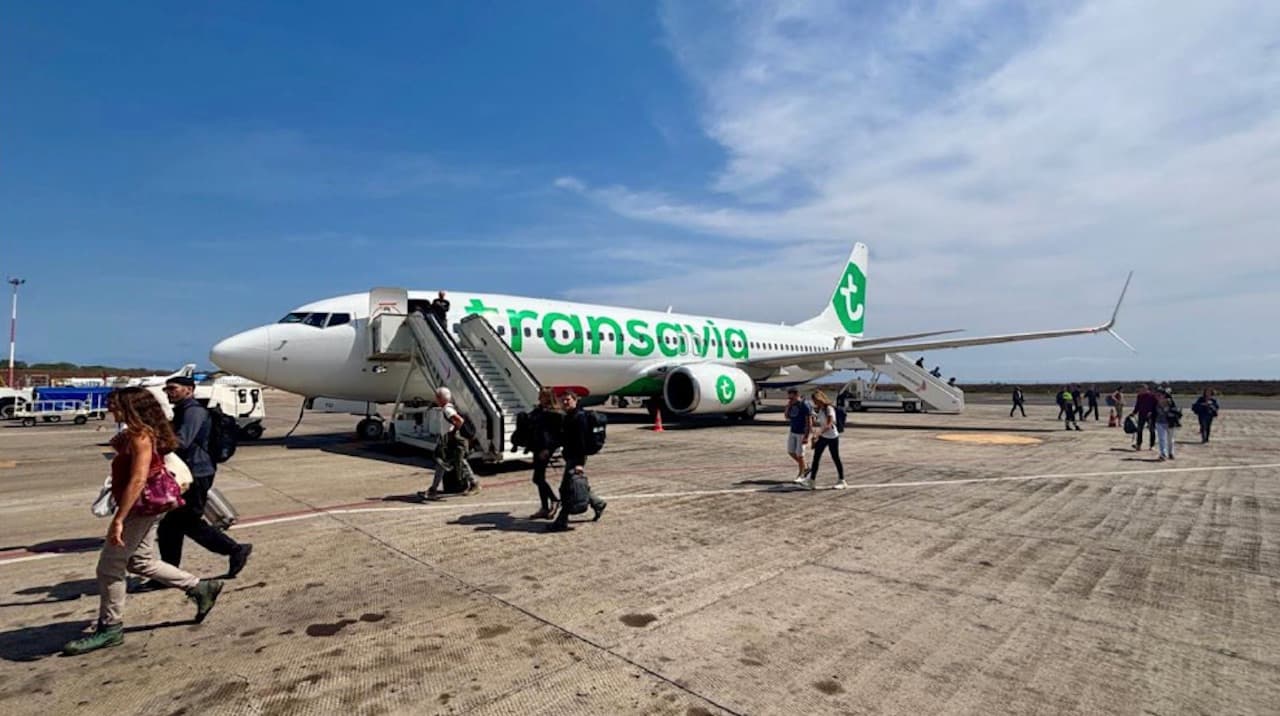
The growth is largely driven by increased flight offerings from France, particularly by low-cost carrier Transavia. Cape Verde is now connected to Paris-CDG, Paris-Orly, Bordeaux, Lyon, Marseille, and Nantes, with additional links from Luxembourg and Brussels. Airports served include Praia, Sal, Boa Vista, and São Vicente, with frequencies rising sharply in winter (the high season). TAP Air Portugal also provides connections via Lisbon. According to fare comparison sites like Bourse des Vols and Kayak, Transavia offers affordable fares in November, the start of the high season. Direct flights (often with a stopover on return) take about six hours from several French cities. Sample fares include Nantes–Boa Vista at €190 (December 7–14, stopover on return), Paris Orly–Sal at €261 (December 6–20, direct round-trip), and Lyon–Sal at €190 (December 13–20, stopover outbound).
**A destination with diverse faces**
Cape Verde’s landscapes are its primary draw. Hikers favor Santo Antão with its steep tropical valleys and well-marked trails; Sal attracts watersports enthusiasts with some of the Atlantic’s most renowned kitesurfing spots; Santiago preserves exceptional colonial heritage, including Cidade Velha, founded in the 15th century as one of the world’s first colonial trading posts. The archipelago remains far from mass tourism, with relatively few all-inclusive resorts, preserving an authentic charm that many French travelers appreciate compared to some Canary Islands. Evening strolls in Mindelo on São Vicente reveal a vibrant local music scene centered on morna and coladeira. Cape Verde positions itself as a slow-tourism destination, attentive to sustainability and eco-responsibility. The challenge is balancing growing visitor flows with preserving the environment and authenticity that make it special, even as flights become more accessible.
**Why this matters for aviation students**
This case study illustrates how major events (like the World Cup) can dramatically shift travel demand, and how low-cost carriers and route expansion respond to and stimulate that demand. It also highlights seasonality patterns—winter high season in tropical destinations—and the importance of airport infrastructure in supporting tourism growth. For ATPL and ATC students, understanding these dynamics is crucial for forecasting traffic, planning capacity, and managing operations during peak periods.