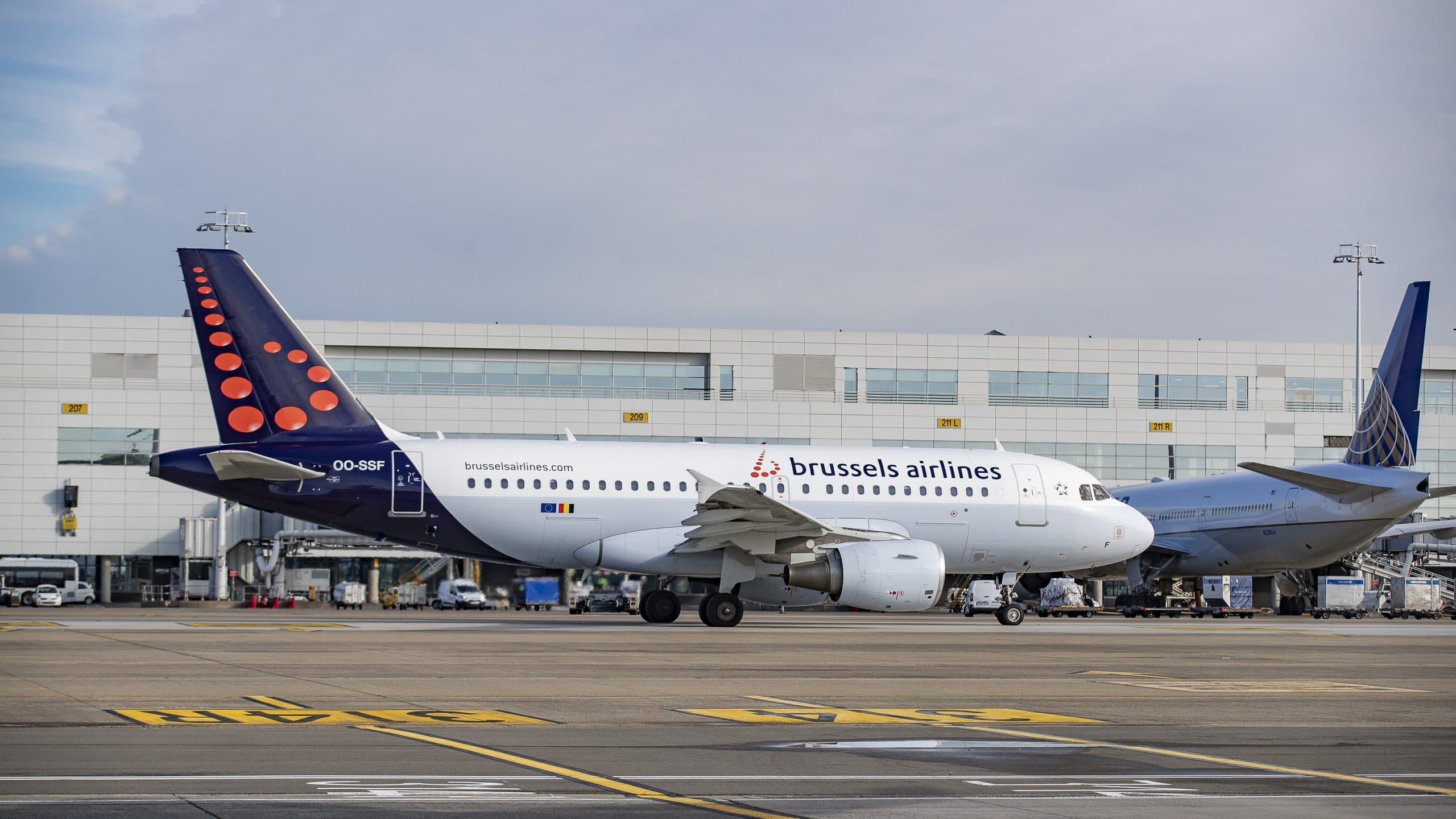
**Record financial results and traffic growth**
Brussels Airport Company closed 2025 with historic financial results, reporting a 6% increase in revenue to €828 million. The airport handled 24.4 million passengers, a 3.3% rise over 2024, despite seven national strike days that forced the cancellation of approximately 2,400 flights and cost an estimated 275,000 passengers. Cargo volumes also surged 8.5% to 795,000 tonnes, outperforming global market trends. The airport's EBITDA grew 3% to €356 million, while net profit reached €84 million, slightly down from 2024 due to higher tax charges. For the first time since 2019, the company resumed dividend payments to shareholders, totalling €41 million.
**Record infrastructure investment**
Brussels Airport invested a record €302 million in 2025, focusing on runway renovation (25L/07R), new parking facilities (P30), expanded cargo buildings at Brucargo Central, and the opening of the new 'The View' lounge in Pier B. These investments aim to support future growth and enhance the passenger experience while maintaining operational efficiency.
**Environmental fee policy driving fleet renewal**
Since April 2023, Brussels Airport has applied a strongly differentiated fee structure: the noisiest and most polluting aircraft pay up to 20 times more in airport charges than the quietest and most efficient ones, compared to a factor of three under the previous system introduced in 2016. The results are clear: the share of flights operated by the most acoustically efficient aircraft rose from 32% in 2023 to 42% in 2025, more than doubling from 20% in 2016. This shift is driven by fleet renewal, notably the introduction of the Airbus A320neo. CEO Arnaud Feist stated that the policy proves it is possible to reconcile growth with environmental impact reduction.
**Relevance for ATPL and ATC students**
This case study illustrates how airport environmental charges directly influence airline fleet planning and operational decisions. ATPL students should understand that aircraft noise and emissions classifications affect route profitability and airport slot allocation. ATC students will see how noise abatement procedures and preferential runway use are shaped by such economic incentives, impacting daily traffic management.