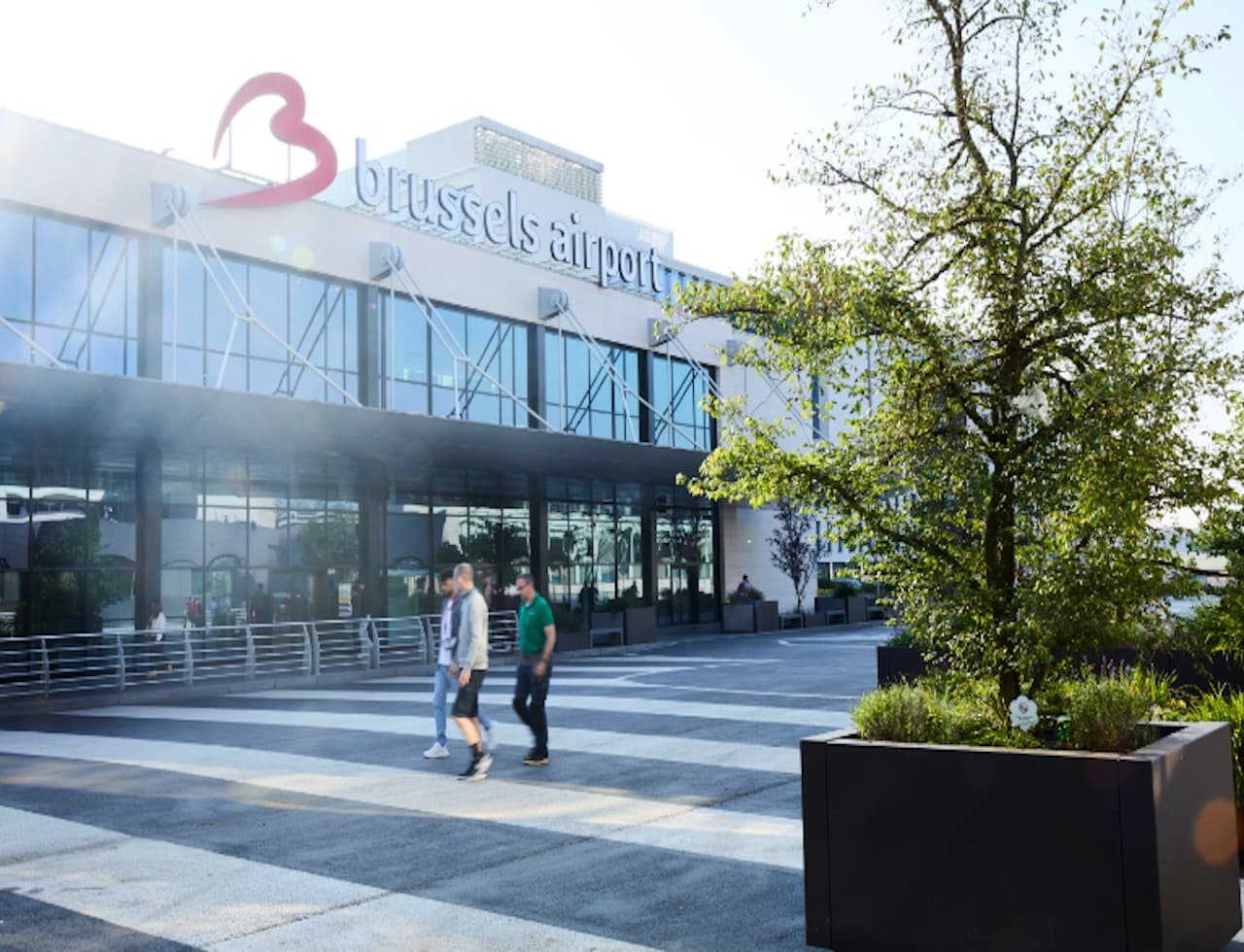
**Brussels Airport Relocates Bus Station to Build €500M Intermodal Hub by 2030**
From May 7, Brussels Airport will move its main bus station approximately 100 meters from the terminal to a temporary facility, freeing space for the construction of a next-generation intermodal hub. This hub, part of the €500 million "Hub 3.0" project, is the airport's largest investment in three decades and aims to integrate all modes of transport—planes, trains, buses, trams, bicycles, and cars—under one roof by 2032.
The temporary bus station will feature five platforms serving all regional and intercity bus lines, including De Lijn, STIB, Flibco, FlixBus, and Airport Express. A covered walkway will connect it to the terminal, ensuring sheltered access for passengers. The airport emphasizes that bus schedules will remain unchanged during the four-year construction phase. With around 600 bus movements daily—more than aircraft movements—the bus network is a critical pillar of airport accessibility, used by 1.3 million passengers and staff annually.
**Hub 3.0: A Vision for Multimodal Mobility**
The relocation is a stepping stone for the broader Hub 3.0 project, which includes a new tram line linking Brussels-North station to the airport in about 30 minutes, with 12 km of double track, nine stops, and 13 km of separated cycle paths. The tram is expected to divert up to 10% of passenger ground trips to public transport in its first year. The airport also aims to reduce car dependency, targeting 65% of passengers and staff using cars by 2027, down from current levels, with an intermediate goal of 50% for certain groups by 2025.
**Relevance for ATPL and ATC Students**
For ATPL students, understanding airport infrastructure projects like Hub 3.0 is crucial for operational planning and situational awareness during ground operations. ATC students benefit from analyzing how changes in ground traffic patterns—such as increased bus and tram movements—affect airport capacity and safety. The project also illustrates the growing importance of intermodal connectivity in modern aviation, a trend that future pilots and controllers must integrate into their decision-making.
The new intermodal hub, with a dedicated investment of €100 million for its transport components, will eventually house buses, trains, trams, and long-distance coaches under one roof. This transformation supports the airport's growth from 24 million passengers in 2024 to an estimated 32 million by 2032, ensuring that ground access keeps pace with air traffic expansion.