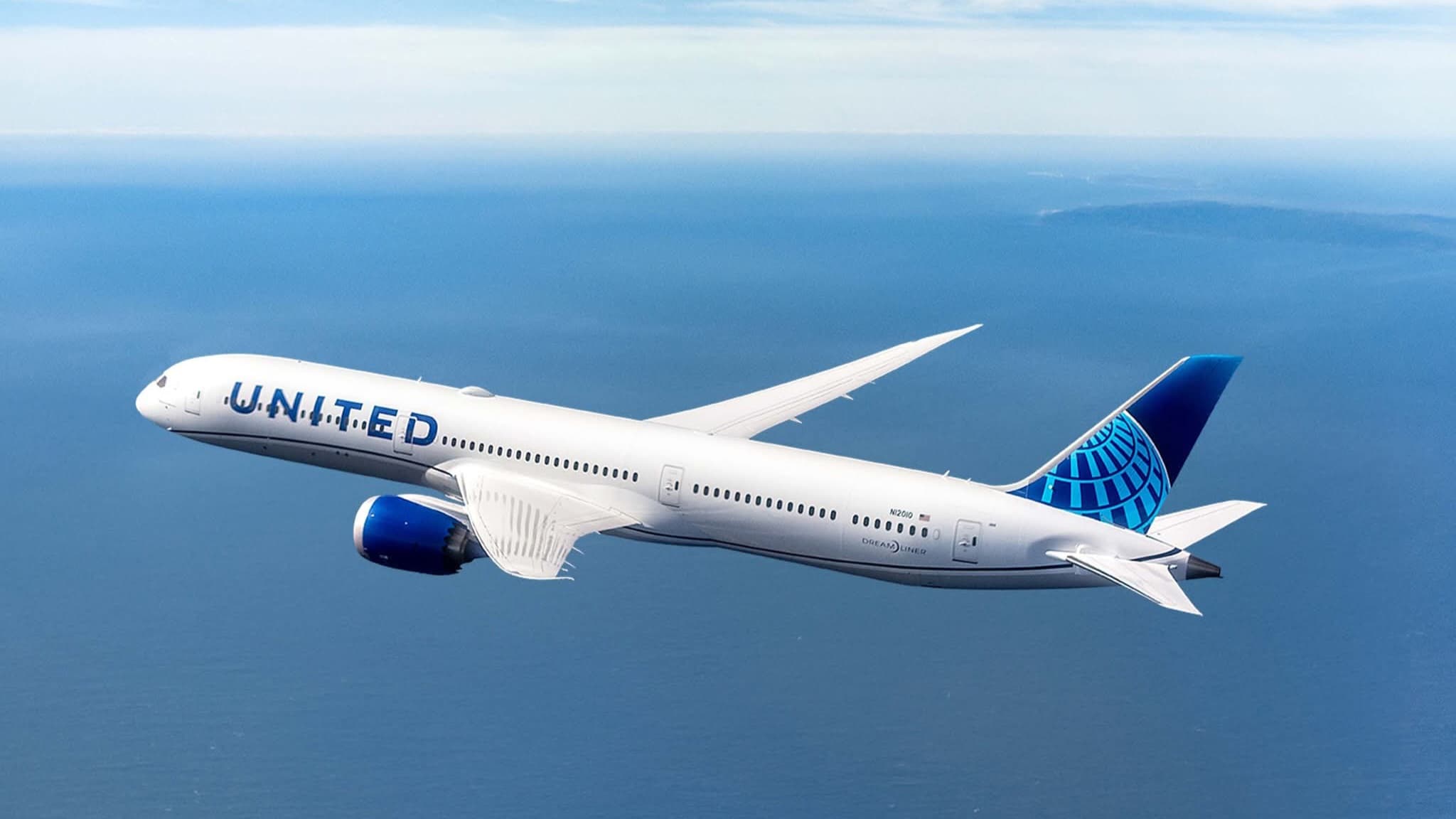
Brussels Airport and United Airlines have partnered to establish a dedicated 'pharma corridor' between Brussels (BRU) and Washington Dulles International Airport (IAD), supported by the Virginia Economic Development Partnership. This initiative focuses on securing and standardizing air transport for pharmaceuticals and life sciences products, leveraging United's existing daily passenger flights to maximize belly cargo capacity. The goal is to create a streamlined, reliable logistics chain that reduces complexities and optimizes temperature-controlled shipping between Europe and the U.S. East Coast.
Brussels Airport, already a leading European pharma hub with nearly 17% of its cargo tonnage dedicated to pharmaceuticals, brings extensive expertise to this partnership. The airport has invested in specialized infrastructure, such as temperature-controlled warehouses and automated handling systems, exemplified by Swissport's 3,600 m² facility. This ecosystem supports end-to-end cold chain logistics, making Brussels a preferred gateway for pharmaceutical exports, with volumes over four times the European average in this segment.
On the American side, Washington-Dulles aims to become a biopharmaceutical entry point for the East Coast, driven by Virginia's growing investments in drug manufacturing and biotechnology. The corridor is expected to generate approximately $138 million in additional revenue for Virginia's pharmaceutical industry by facilitating exports and imports. Standardizing procedures—from ground handling to air transport—is central to this effort, with aligned protocols and shared performance indicators to minimize cold chain breaks and regulatory non-compliance risks.
For ATPL and ATC students, this development highlights the strategic importance of cargo operations in aviation economics. Understanding pharma logistics, including temperature control and regulatory standards, is increasingly relevant as airlines like United integrate cargo into their revenue models. This corridor exemplifies how airports and airlines collaborate to build resilient supply chains, offering insights into specialized cargo handling that can impact flight planning and operational efficiency in future careers.