**Brussels Airlines' financial performance deteriorated sharply in the first half of 2026**, with an adjusted EBIT loss of €70 million, compared to a €46 million loss in the same period last year. The Belgian subsidiary of Lufthansa Group attributes this widening deficit—roughly 50% larger—to three main factors: rising fuel prices, an Ebola outbreak in East Africa, and disruptions from strikes in Belgium.
**Fuel costs surged by €64 million** during the semester, a direct consequence of heightened Middle East tensions that pushed oil prices higher. The airline's African network, a key part of its business, suffered from an Ebola epidemic declared in May in certain regions. This led to reduced demand, crew planning difficulties, and restrictions imposed by some countries on affected destinations. Additionally, national strikes in March and May disrupted Brussels Airport, and a strike by Skeyes, the Belgian air traffic control provider, halted flights for several hours in early June, costing an estimated €3 million.
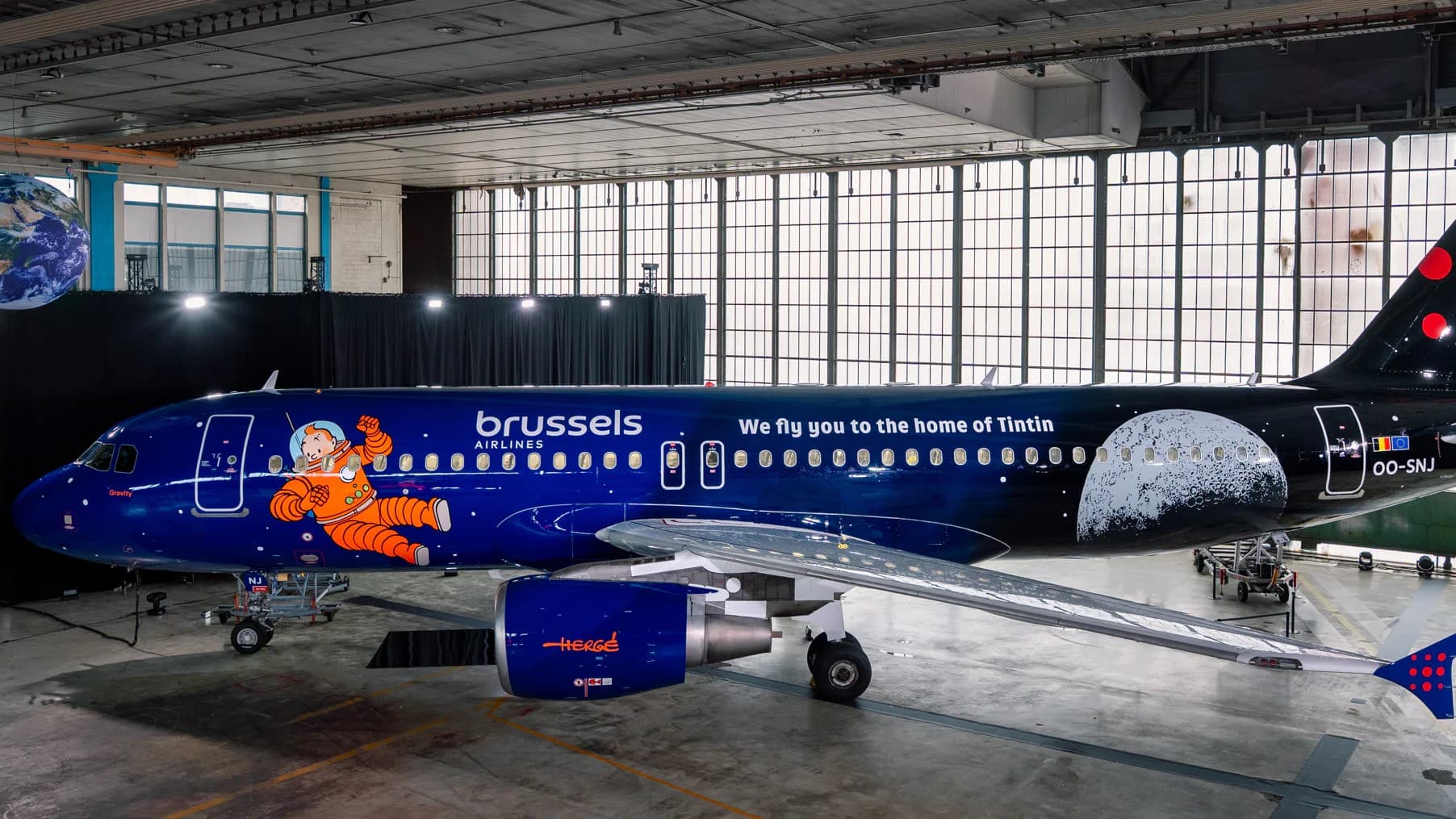
**Despite these headwinds, Brussels Airlines carried more passengers**: 4.5 million between January and June, up 8.1% year-on-year. Flight numbers rose 5.5% to 34,200 rotations, and revenues increased by 9.5%. The carrier also highlighted improved operational regularity, with irregularity costs down 16% per passenger. During the semester, it launched a new route to Kilimanjaro in Tanzania, introduced a new Premium Economy table service, and unveiled a new Airbus A320 in its Belgian Icons series dedicated to Tintin.
**However, the airline is scaling back its long-haul ambitions** due to profitability below expectations and an uncertain environment. It will not take delivery of the two additional Airbus A330s previously planned for 2027, keeping its long-haul fleet at 11 A330s for now. It also will not use airBaltic's A220-300s, currently operated on wet lease from Brussels, during summer 2027. The long-haul cabin renewal program remains on track, with a presentation expected in 2027.
**Looking ahead, Brussels Airlines remains cautiously optimistic** for the second half of the year. CFO Nina Öwerdieck stated that a successful summer season is crucial to achieving a positive annual result, noting the carrier has more capacity than in 2025, provided the operational environment stays stable.