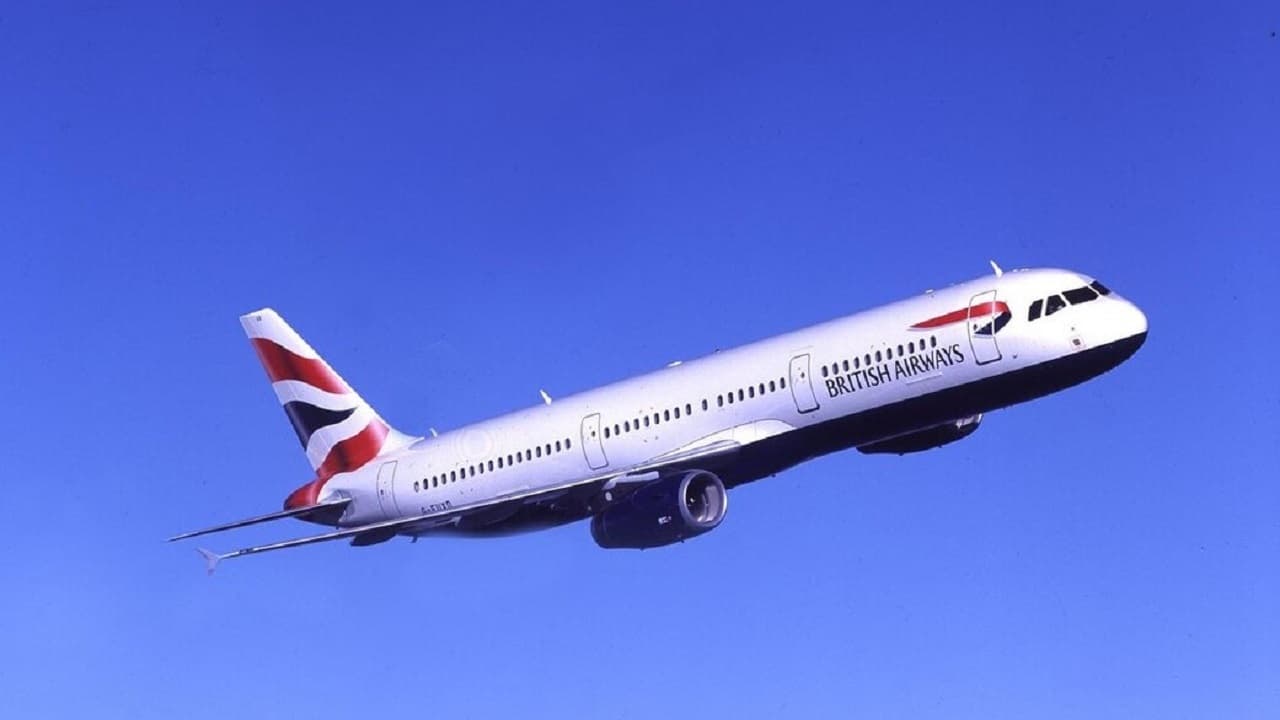
British Airways has unveiled plans to launch new routes from London Heathrow to St. Louis, Missouri; Guernsey in the Channel Islands; and Tivat, Montenegro, starting in spring 2026. The St. Louis route will operate as a long-haul service, while Guernsey and Tivat are short-haul additions, with Tivat being seasonal from mid-May to late September, served by Airbus A320 aircraft three times weekly. This expansion is part of a deliberate strategy to balance targeted transatlantic growth with enhanced regional connectivity, focusing on niche markets where British Airways can establish itself as the sole direct operator from the UK, rather than competing on saturated major routes.
From an industry context, this move underscores a growing trend among legacy carriers to prioritize profitability over sheer volume. By selecting routes like St. Louis—a market with limited direct competition—British Airways aims to capture high-yield traffic without engaging in capacity wars. Similarly, the short-haul routes to Guernsey and Tivat serve to feed Heathrow's hub with both leisure and business traffic, addressing specific regional needs that may have been neglected due to airline withdrawals or bankruptcies. This approach not only strengthens Heathrow's position as a global hub but also aligns with broader aviation strategies that emphasize route diversification and resilience in a volatile market.
For ATPL and ATC students, this news offers valuable insights into airline operational planning and network management. Understanding how carriers like British Airways evaluate and implement new routes is crucial for pilots and controllers, as it affects flight schedules, airspace utilization, and airport operations. For instance, the introduction of seasonal routes like Tivat requires careful coordination of crew rotations, maintenance schedules, and ATC resources to handle increased traffic during peak periods. Additionally, the focus on niche markets highlights the importance of market analysis and regulatory considerations in aviation, skills that are essential for future professionals navigating an industry increasingly driven by strategic decision-making.
In practice, this expansion may lead to new job opportunities and training requirements. Pilots could see increased demand for type ratings on aircraft like the A320 for short-haul routes, while ATC students might encounter more complex traffic patterns at Heathrow and the destination airports. Moreover, the emphasis on hub-and-spoke models reinforces the need for proficiency in managing connecting flights and optimizing turnaround times. By studying such real-world examples, students can better appreciate the interconnectedness of commercial strategy and operational execution, preparing them for roles where adaptability and strategic thinking are key to success in a dynamic aviation landscape.