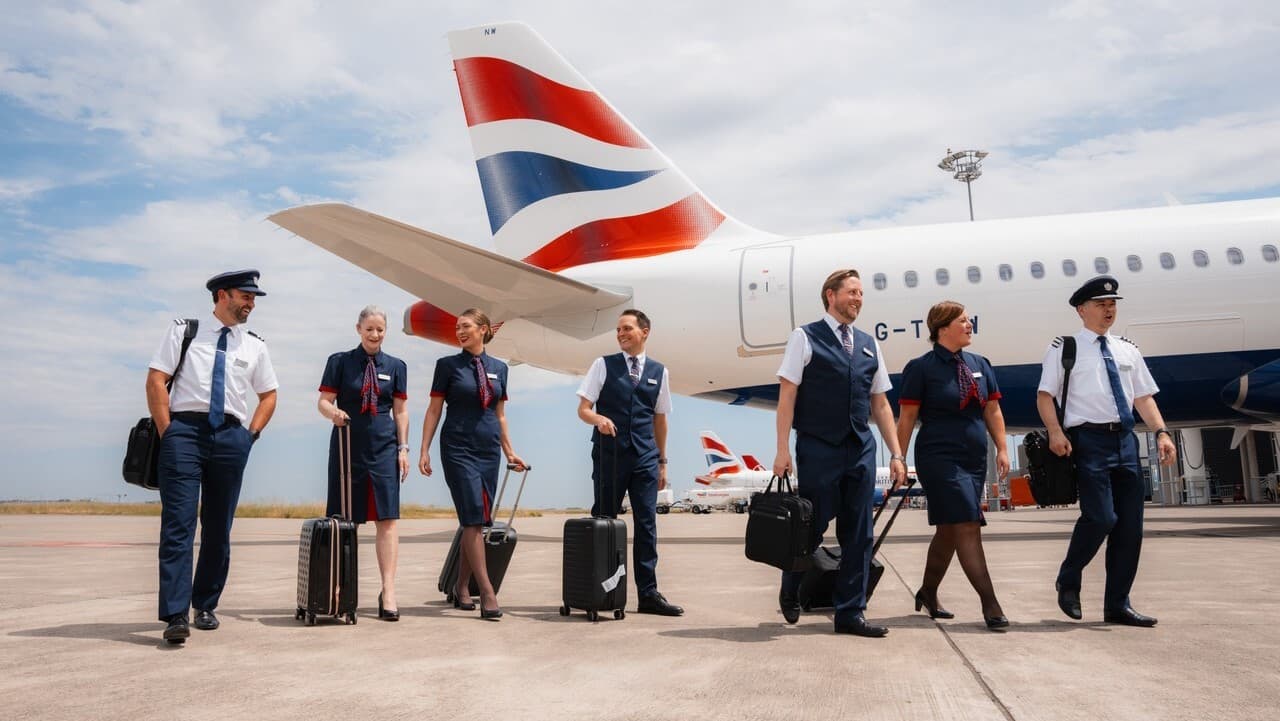
British Airways has recently updated its General Conditions of Carriage to explicitly prohibit passengers from photographing, filming, or live-streaming cabin crew members without their explicit consent. The ban extends to wearable devices such as smart glasses (e.g., Meta AI) and action cameras like GoPro, reflecting the growing prevalence of such technology in aircraft cabins. This move is part of a broader industry trend as airlines grapple with the rise of in-flight social media content and high-speed Wi-Fi, such as Starlink, which enables real-time broadcasting from the cabin.
Under UK law, an aircraft cabin is not considered a public space like a street or park, giving airlines broad discretion to set their own rules of conduct. By accepting the ticket and the General Conditions of Carriage, passengers enter into a contract that includes these restrictions. British Airways now states that if it has reason to believe a passenger has filmed or photographed a crew member without consent, it may take any reasonable action to stop the behavior. Sanctions can include disembarkation at the next airport, cancellation of remaining flight segments, and reporting to local authorities. The airline also plans to announce these rules in pre-flight announcements, similar to KLM's practice.
This policy change is driven by the increasing use of high-speed in-flight Wi-Fi, particularly Starlink, which British Airways is rolling out across its fleet. With bandwidth comparable to ground-based internet, passengers can now live-stream incidents in real time, raising reputational risks for the airline and privacy concerns for crew members. Videos taken out of context can go viral, leading to online harassment. Other airlines, such as Qantas and Ryanair, have also updated their conditions to require consent for filming crew or other passengers.
For ATPL and ATC students, this development highlights the evolving legal and operational landscape of commercial aviation. Understanding the contractual relationship between airlines and passengers, as well as the implications of new technologies like in-flight Wi-Fi, is crucial for future pilots and controllers. Crew members are increasingly protected by such policies, and aviation professionals must be aware of how these rules affect cabin management and passenger behavior. This case also underscores the importance of privacy and professionalism in the digital age, topics that are becoming integral to aviation training.