**Industry context: why this matters**
Fatigue management is a critical safety issue in aviation. Regulatory bodies like EASA and FAA set strict limits on flight and duty times, but the quality of rest during a flight is equally important. For ATPL and ATC students, understanding how airlines manage crew rest—especially on aircraft without dedicated crew rest compartments—provides insight into operational safety and human factors. This policy change by British Airways highlights the real-world challenges of balancing commercial pressure with crew welfare.
**The new rest policy**
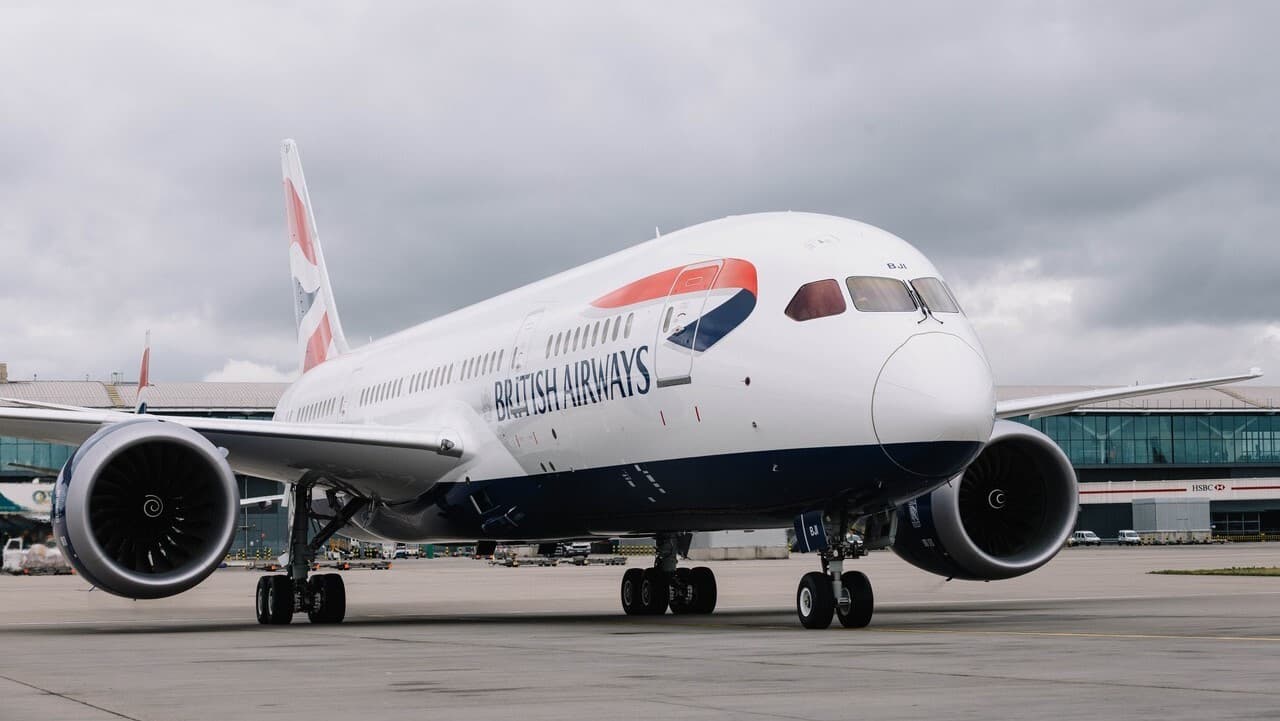
British Airways has informed its approximately 20,000 cabin crew members that they are now "free to use any available passenger seat, including in First Class, on certain long-haul flights operated by aircraft lacking dedicated crew rest facilities." This applies to the Boeing 787-10 Dreamliner and a subset of Boeing 777-200ERs delivered without crew rest modules. Previously, crew rested on "supernumerary seats"—fold-down jump seats near doors, sometimes curtained off in galley areas. Now, when the flight is not full, seats can be reserved for crew rest in any cabin, with access to the corresponding bedding.
**Union negotiations and safety implications**
The policy change follows discussions between British Airways and the BASSA union (British Airlines Stewards and Stewardesses Association), which represents the majority of the airline's cabin crew. BASSA has long campaigned for improved rest conditions, especially on aircraft without isolated bunks. Internal documents cited by trade press state that crew may "rest in free passenger seats in any cabin, including First and Club World, provided those seats have not been obtained by asking passengers to move." Crew must also "remove or cover items of their uniform and use the bedding provided for that cabin" to avoid confusion with passengers and maintain brand image. From a flight safety perspective, this does not alter regulatory obligations but aims to optimize rest quality on rotations where bunks are not required by law.
**Operational impact and passenger perception**
Operationally, allocating passenger seats for crew rest requires careful inventory management, especially in premium cabins where yield management is sensitive. The concept of a "soft block" for crew rest allows commercial flexibility: seats reserved for rest are only truly blocked if passenger demand does not reach maximum load. For ATPL students, this illustrates the trade-offs airlines make between revenue and safety. For ATC students, it underscores that crew fatigue is a factor in air traffic management, as rested crews contribute to safer operations.
**MyATPS angle: what this means for your training**
This real-world example reinforces key topics in your ATPL syllabus: human performance and limitations, crew resource management (CRM), and operational procedures. Understanding how airlines implement rest policies helps you appreciate the practical application of regulations. For ATC students, it highlights that fatigue management is not just a pilot issue—it affects the entire operational chain. As future aviation professionals, you will encounter similar policy decisions that balance commercial interests with safety. Knowing the background of such changes prepares you for real-world scenarios where you must apply your training to ensure safe and efficient operations.