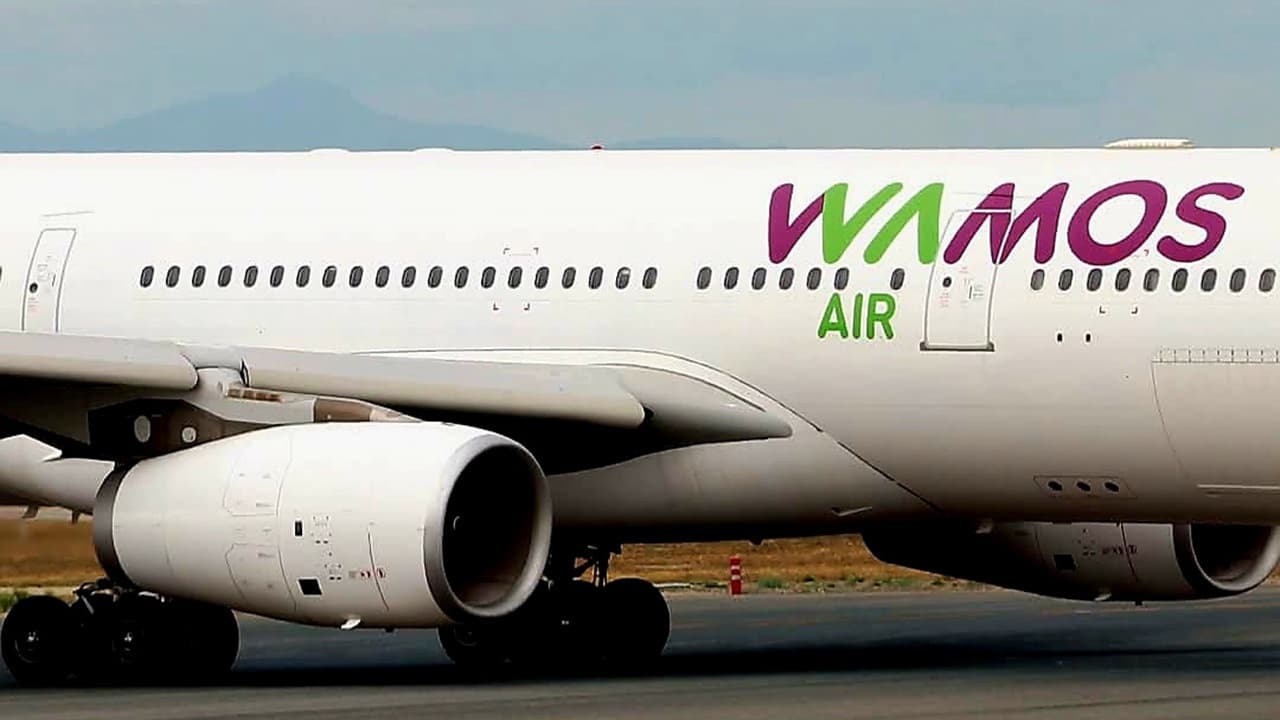
**GOL Linhas Aéreas has inaugurated its first long-haul service, connecting Rio de Janeiro (GIG) to New York JFK, operated by an Airbus A330-200 wet-leased from Wamos Air. This marks a significant strategic pivot for the Brazilian carrier, which until now operated an all-Boeing 737 fleet focused on domestic and regional routes.**
The inaugural flight, G37000, departed Rio-Galeão on 8 July at 22:15 local time and landed at JFK the following day at 06:53. The aircraft, an A330-200 registered EC-NBN, was provided under an ACMI (Aircraft, Crew, Maintenance, Insurance) agreement with Wamos Air, another member of the Abra Group. GOL retains commercial control through its G3 code and distribution channels. The route will operate three times weekly.
For ATPL and ATC students, this development offers a real-world example of ACMI operations—a key concept in airline management and operational planning. Understanding how a carrier can launch a long-haul route without owning the aircraft is essential for future airline managers and dispatchers. Additionally, the transition from a single-type fleet (737) to a mixed fleet (737 + A330neo) involves complex crew training, maintenance scheduling, and operational certification, all of which are relevant to ATPL syllabus topics on fleet planning and airline economics.
**Abra Group, the parent company of GOL, Avianca, and Wamos Air, has placed orders for up to seven Airbus A330-900neo aircraft, with five allocated to GOL and two to Avianca. These will eventually allow GOL to operate its own widebody aircraft, with cabins exceeding 290 seats including a business class. The A330neo will support further expansion into Europe and North America.**
The next long-haul destination announced is Lisbon, likely starting 16 September 2026 with up to four weekly frequencies, again using a Wamos Air A330-200 initially. This expansion strategy leverages the hubs of Rio de Janeiro, Bogotá, and Lisbon to feed connecting traffic. For ATC students, the introduction of new long-haul routes from Rio and potentially other Brazilian cities will impact airspace demand, slot coordination, and flow management, particularly in the South Atlantic and Caribbean FIRs.
**The move also highlights the role of wet-leasing in airline growth strategies. ACMI contracts allow carriers to test new markets with minimal financial risk before committing to fleet ownership. This is a classic case study for ATPL students studying airline business models and risk management.**
In summary, GOL's entry into long-haul operations is a multi-layered development: it demonstrates ACMI leasing, fleet diversification, hub-and-spoke network expansion, and the strategic use of group synergies. Both ATPL and ATC trainees can draw valuable lessons from this real-world case.