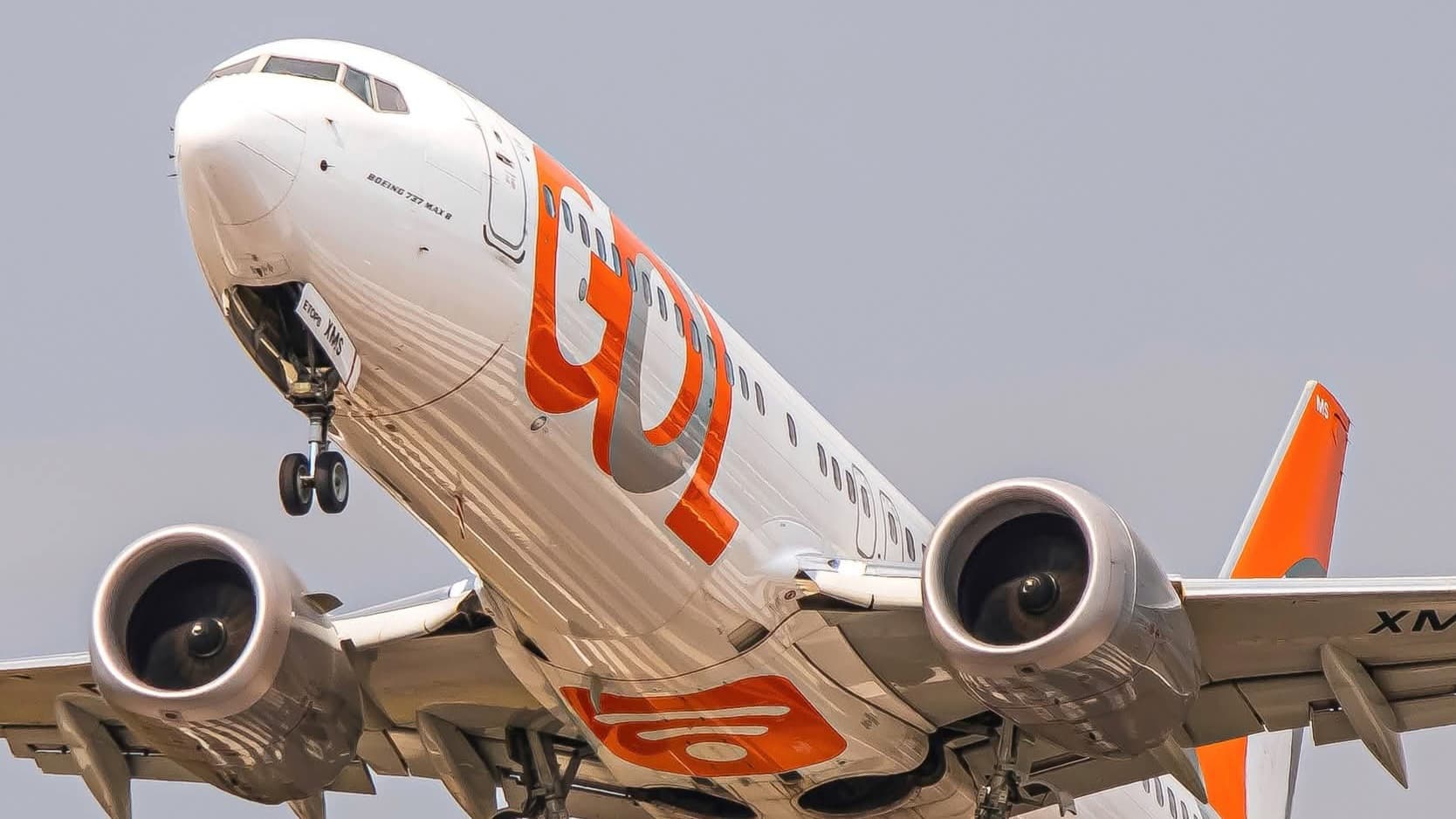
**A Legal Storm Over Brazilian Skies**
Brazil has become the world's most litigious aviation market, with data from IATA revealing that 98% of all passenger lawsuits against airlines globally are filed in Brazilian courts. The country records one lawsuit for every 227 passengers transported—a staggering contrast to the United States, where the ratio is one per 1.2 million passengers. This phenomenon, driven by a consumer-protection-friendly legal framework and a booming specialized legal industry, is now at the center of a judicial tug-of-war between Brazil's Consumer Defense Code and its Aeronautical Code.
**The Economic Toll on Airlines**
The financial impact is immense. In 2025 alone, Brazil's three largest carriers—Latam, Gol, and Azul—paid approximately €232 million in passenger-related court-ordered compensation, a 61% increase from the previous year. For Azul, this represented nearly 3% of its revenue. IATA estimates that litigation costs for airlines operating in Brazil now run at about $200 million annually, a burden that inflates ticket prices, discourages competition, and limits connectivity. Common triggers for lawsuits include overbooking, lost or damaged baggage, and prolonged delays, with average compensation claims around €1,100.
**Regulatory Turmoil and the Supreme Court's Role**
A key driver of the litigation surge is the prevailing interpretation of the Consumer Defense Code, which holds airlines liable for delays and cancellations even when caused by circumstances beyond their control, such as weather or airport closures. In response, IATA and the Latin American and Caribbean Air Transport Association (ALTA) have denounced what they see as an unbalanced framework. The situation escalated in late 2025 when Brazil's Supreme Federal Court (STF) suspended proceedings related to airline liability for flight disruptions to clarify which legal regime applies. However, in March 2026, the court ruled that cases involving internal operational failures—overbooking, unilateral cancellations, maintenance issues, or lack of assistance—must proceed, while only those based on external force majeure are suspended. The core legal question remains whether liability for fortuitous events or force majeure should fall under consumer or aeronautical law.
**What This Means for ATPL and ATC Students**
For aspiring airline pilots and air traffic controllers, this case study is far from academic. It underscores how regulatory environments directly impact airline operations, cost structures, and even route planning. Understanding passenger rights and liability frameworks is crucial for professionals who may one day manage disruptions or face legal scrutiny. Moreover, the Brazilian example illustrates the global tension between consumer protection and operational sustainability—a theme that will shape aviation policy for decades. As future decision-makers, ATPL and ATC students must grasp these dynamics to navigate the legal and economic realities of modern air transport.