**A landmark deal reopens a key market**
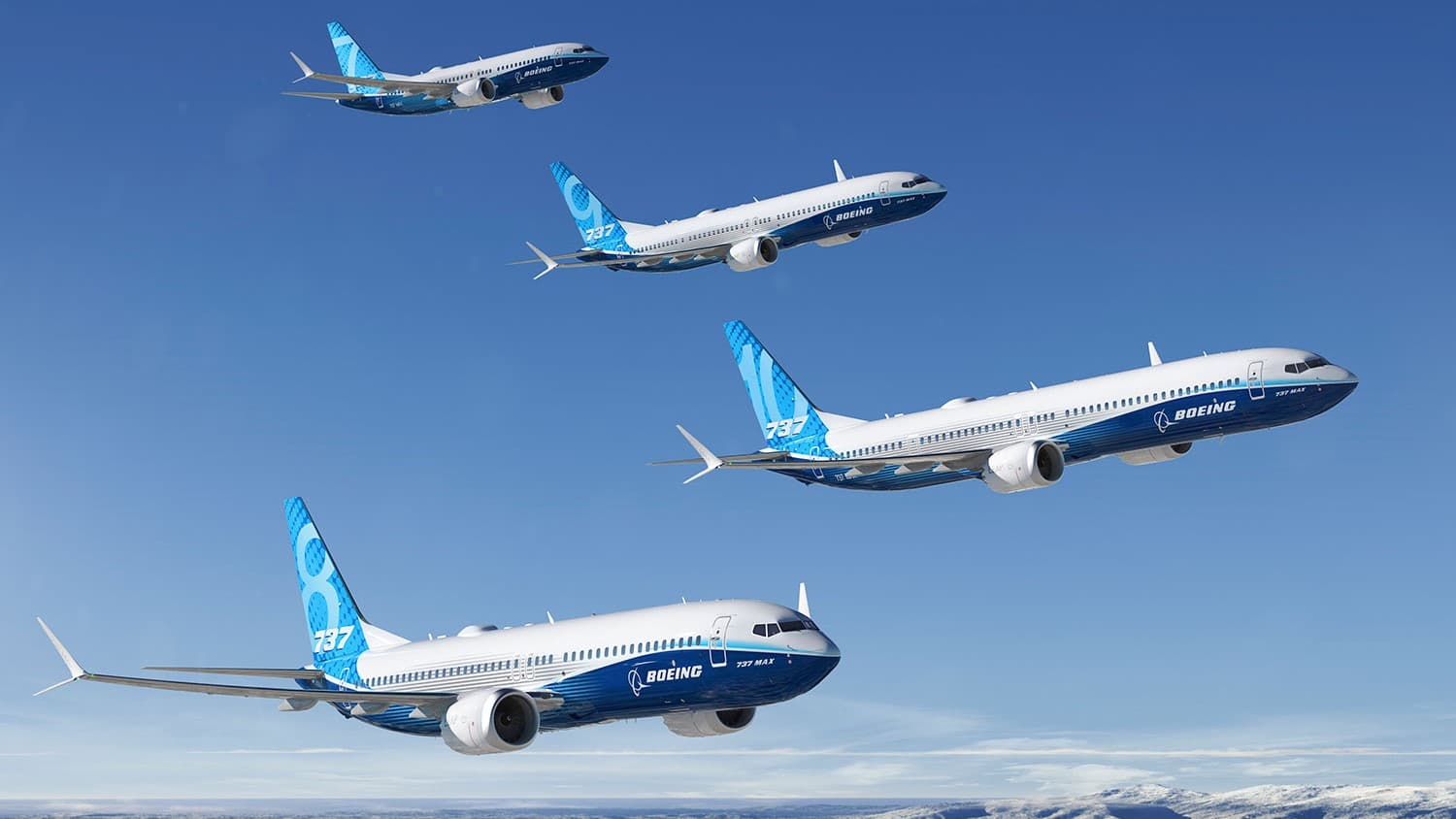
On May 20, 2026, China officially confirmed an order for 200 commercial aircraft from Boeing, following earlier statements by U.S. President Donald Trump after his meeting with Chinese President Xi Jinping in Beijing. The Chinese Ministry of Commerce stated that the agreement also includes guarantees for the supply of spare parts and engine components, a critical factor for ensuring the operational stability of Chinese carriers' fleets. This confirmation validates an initial announcement made by Trump on May 14, which had remained unconfirmed by Chinese authorities until now.
**Potential for massive expansion**
Speaking aboard Air Force One on May 15, President Trump was notably ambitious about the deal's potential scale: "We have concluded very important trade agreements, including more than 200 Boeing aircraft with a promise that could go up to 750 units, which would by far be the largest order ever recorded if Boeing does a good job." He also specified that the engines would be supplied by GE Aerospace, highlighting the industrial significance of the contract for the U.S. aerospace supply chain.
**Boeing's strategic comeback**
For Boeing, this announcement represents a major return to a Chinese market that had been largely closed since 2017, due to trade tensions and the fallout from the 737 MAX crisis. In a statement following the delegation's trip to China, Boeing welcomed the breakthrough: "We had a very successful trip to China and achieved our primary goal: reopening the Chinese market to Boeing aircraft orders. This includes an initial commitment for 200 aircraft, and we anticipate further commitments in the future."
**Airbus remains entrenched**
This development comes as European rival Airbus has strengthened its dominant position in China, the world's largest medium-term aviation market according to IATA. Recent significant orders include Air China's December 2025 order for 60 A320neo family aircraft (worth an estimated $9.5 billion) and China Southern Airlines and its subsidiary Xiamen Airlines ordering 137 additional A320neos in April 2026. Airbus also benefits from a local industrial presence through its final assembly line in Tianjin, a strategic advantage in its relationship with Beijing.
**Geopolitical and industrial stakes**
Beyond commerce, this order is set against a sensitive geopolitical backdrop. It reflects a desire to rebalance between the two global manufacturers and serves as a diplomatic lever in Sino-American relations. For China, diversifying suppliers remains a strategic imperative as domestic and international air traffic continues to grow rapidly. For Boeing, this contract could mark the beginning of a gradual normalization with a key customer that historically accounted for nearly a quarter of global demand. Whether the initial order will fully materialize—and especially whether it will reach the volumes hinted at by Washington—remains to be seen, in an environment where political considerations weigh as heavily as the operational needs of Chinese airlines.