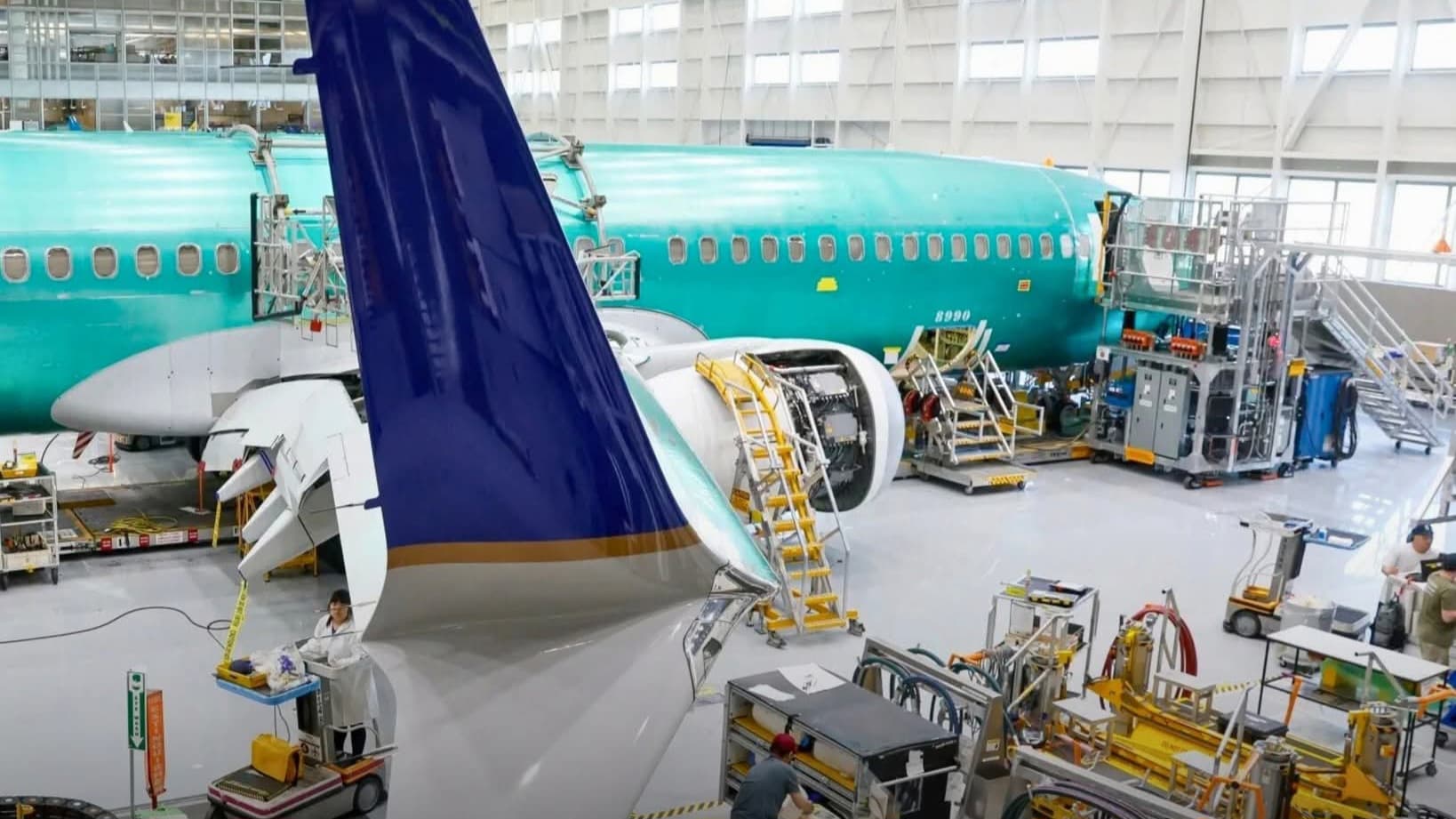
The Federal Aviation Administration (FAA) has reinstated Boeing's authority to issue airworthiness certificates for all 737 MAX and 787 aircraft produced at its facilities. This decision comes after an eight-month period during which FAA and Boeing inspectors alternated weekly oversight. The regulator concluded that production quality is now "comparable" regardless of who issues the certificate, while promising to maintain close supervision of the Seattle-based manufacturer.
**A Key Privilege Restored**
Under the new arrangement, Boeing can once again issue airworthiness certificates at the end of the production line for every 737 MAX and 787, not just a subset as was the case since September 2025. The FAA had previously revoked this privilege following the two fatal 737 MAX crashes in 2018 and 2019, and later due to quality issues on the 787 that led to delivery halts. The agency's statement notes that "over the past eight months, the FAA has observed comparable production quality results when Boeing issued airworthiness certificates and when the FAA issued them itself." Based on these findings, the FAA determined it could safely return this responsibility to Boeing, though it remains governed by the Organization Designation Authorization (ODA) system.
**A Post-Crisis Turning Point**
The withdrawal of Boeing's self-certification ability was a symbolic move after the Lion Air and Ethiopian Airlines crashes that killed 346 people and grounded the MAX globally for nearly two years. For the 787, the FAA took over individual certificates in 2022 due to structural defects and tolerance non-conformities that froze deliveries. This case highlights the ongoing debate about the role of manufacturers in certification through ODA programs, which allow companies to act on behalf of the regulator for certain compliance tasks. These arrangements were heavily criticized after the MAX crisis and have since been overhauled, with the FAA now maintaining a stronger presence on assembly lines.
**Enhanced Oversight Remains**
The restoration of signing authority does not mean a return to the pre-crisis status quo. The FAA emphasizes it will continue to deploy inspection, audit, and control teams at Boeing production sites, focusing on "critical assembly activities," production quality trends, and compliance with approved design and engineering requirements. For Boeing, this decision is a positive signal in its effort to normalize operations and reassure airlines and markets about aircraft quality. The manufacturer welcomed the move, stating it will "continue to work under FAA supervision to build safe, high-quality commercial airplanes that meet all airworthiness certification requirements."
**What This Means for ATPL and ATC Students**
Understanding the certification process is crucial for future pilots and controllers. This news illustrates how regulatory oversight evolves after major incidents, affecting everything from aircraft delivery schedules to operational readiness. ATPL students should grasp the role of ODA and the balance between manufacturer responsibility and regulatory authority, as these concepts directly impact aircraft availability and maintenance standards. ATC students benefit from knowing how certification delays can affect fleet composition and traffic management. This case also underscores the importance of safety culture and the continuous improvement of production processes—key themes in aviation training.