**Boeing's Strategic Pause: Why It Matters for Aviation Training**
Boeing has officially put its next-generation commercial aircraft on hold, prioritizing instead the completion of certification programs for the 737 MAX 7, MAX 10, and the 777X. CEO Kelly Ortberg made it clear during recent statements that the company must first stabilize its finances and free up engineering resources before launching a new narrowbody program. This decision, reported by CNBC, reflects a cautious approach aimed at restoring confidence after years of delays and financial strain.
**Certification Bottlenecks: The 737 MAX and 777X**
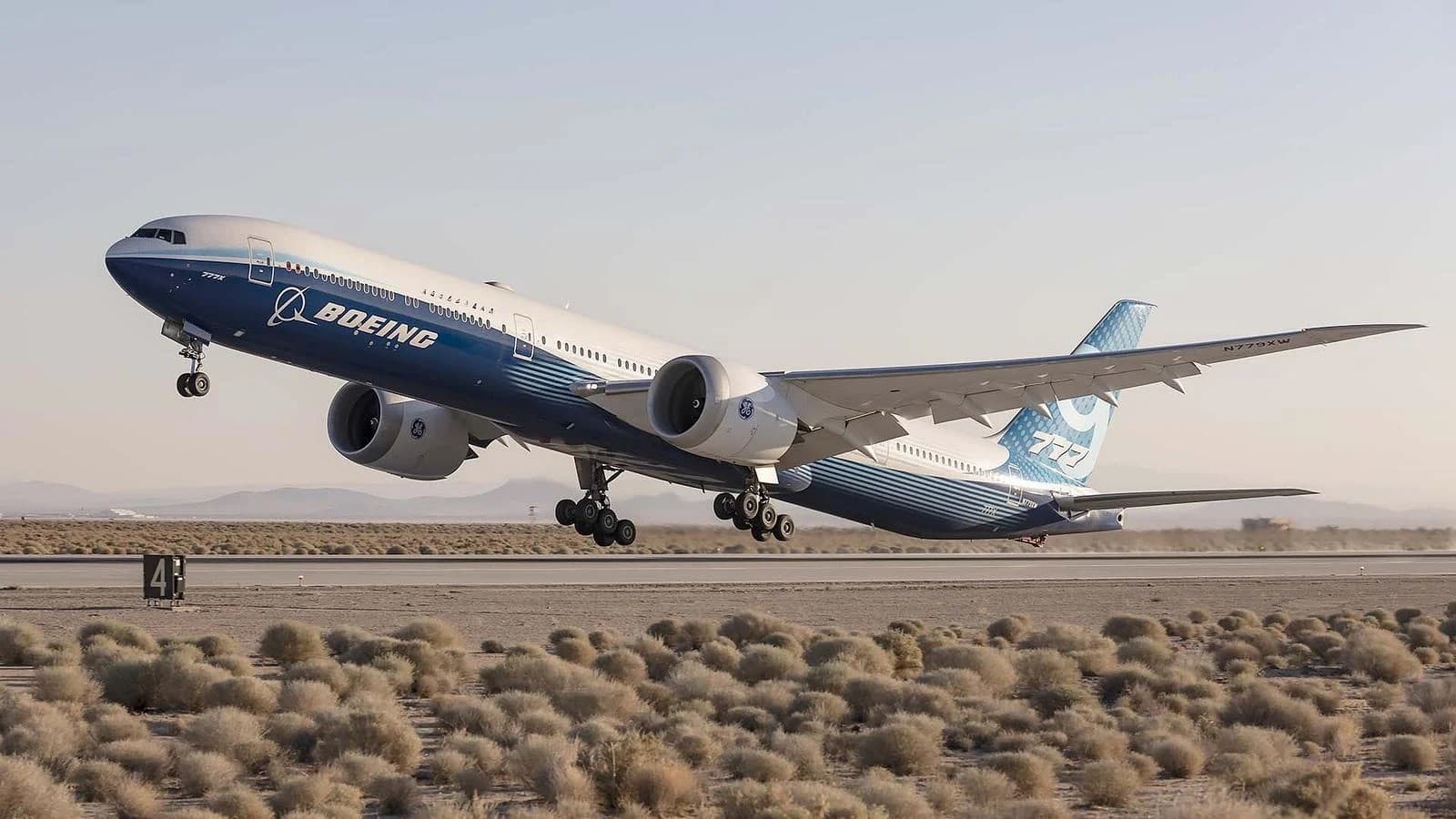
The 737 MAX family remains central to Boeing's recovery. The MAX 7 and MAX 10 are now in their final certification phases with the FAA, which expects approvals "soon" this year according to a Reuters source. However, technical issues, particularly with the engine anti-ice system, have caused repeated delays. Boeing aims for deliveries starting in 2027. Similarly, the 777X program continues flight testing for the 777-9 variant, with first deliveries now targeted for 2027 as well. Regulatory scrutiny remains intense, and Boeing must demonstrate it can execute these programs without further cost or schedule overruns before moving on to new projects.
**Impact on Production and Cash Flow**
Boeing's immediate focus is on ramping up production and improving cash flow. The company delivered 314 aircraft in the first half of 2026, a 12% year-on-year increase, and holds a backlog of over 6,800 orders, led by the 737 MAX. A fourth 737 MAX assembly line has been opened in Everett to support a planned production rate of 52 aircraft per month. This industrial push is essential to generate the revenue needed to fund future developments.
**What This Means for ATPL and ATC Students**
For students training for ATPL or ATC roles, this news has direct implications. The delay of a new Boeing narrowbody means that the 737 MAX and 777X will remain the dominant aircraft types in airline fleets for years to come. Understanding their systems, performance characteristics, and certification history is crucial. Additionally, the focus on reliability and maintenance issues highlighted by Ortberg underscores the importance of aircraft systems knowledge in real-world operations. ATC students should note that fleet composition affects traffic patterns and airport procedures, especially as MAX variants enter service with higher frequencies.
**Conclusion**
Boeing's decision to postpone a new aircraft program is a pragmatic move to address past mistakes and build a solid foundation for the future. For the aviation training community, it reinforces the need to stay current with existing aircraft types and their evolving certification landscapes. The next-generation narrowbody may be on the horizon, but for now, the 737 MAX and 777X are the stars of the show.