**Boeing's First-Half 2026 Deliveries: A Recovery in Progress**
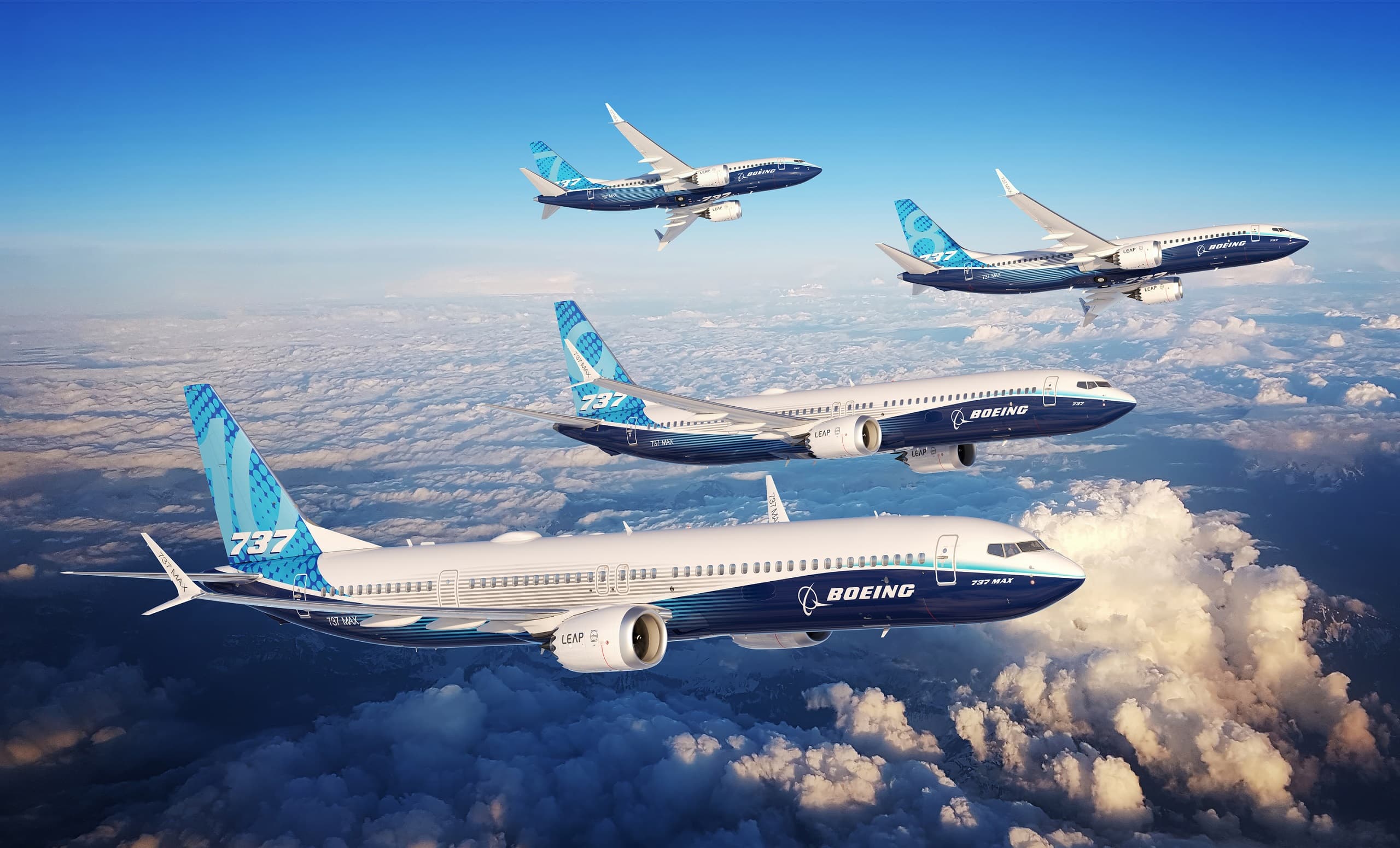
Boeing announced it delivered 314 commercial aircraft in the first half of 2026, a 12% year-on-year increase and its best first-half performance since 2018. The milestone was driven by a steady ramp-up in 737 MAX production, following the FAA's lifting of a production cap in October 2025, and a resurgence in Chinese orders after years of political tension. In June alone, Boeing delivered 64 aircraft, including 42 737 MAX jets. The company now produces 47 737 MAX units per month, with plans to reach 63 or more, contingent on supply chain stability.
**Airbus Still Leads in Deliveries**
Despite Boeing's recovery, Airbus retains the top spot with 351 deliveries in the first half of 2026, including 80 in June. Boeing's net orders for the period stood at 408, bolstered by 102 unidentified 737 MAX orders in June. However, the gap in deliveries highlights the challenge Boeing faces in stabilizing production to compete with Airbus's own output increases.
**Chinese Orders Return After Trump Visit**
A key development was the return of Chinese orders, frozen for years due to certification issues and geopolitical tensions. Following President Donald Trump's visit to Beijing in mid-May, China Southern Cargo ordered six 777 Freighters and China Airlines added two more. Beijing committed to an initial purchase of 200 Boeing aircraft, with potential for up to 750 additional units. This marks the first major Chinese order since 2017, when 300 aircraft worth $37 billion were ordered.
**Record 737 MAX Backlog**
Boeing's total order backlog reached 6,814 aircraft by June 30, 2026, with 4,363 being 737 MAX variants. The 737 MAX has now surpassed the 737 NG as the most-ordered model in the 737 family, with 7,206 net orders since its 2011 launch. This recovery builds on Boeing's 2025 performance, when it delivered around 600 aircraft—its highest annual total since 2018. Yet, the company remains under regulatory scrutiny and must prove its assembly lines can sustain quality and pace.
**What This Means for ATPL and ATC Students**
For future pilots and controllers, Boeing's production trends directly affect fleet composition, maintenance schedules, and route planning. The 737 MAX's dominance means more pilots will need type ratings on this aircraft, while ATCs will see increased traffic from MAX variants. The return of Chinese orders signals potential new routes and demand for crews familiar with Asian operations. Understanding these industrial dynamics helps students anticipate job market shifts and operational challenges.