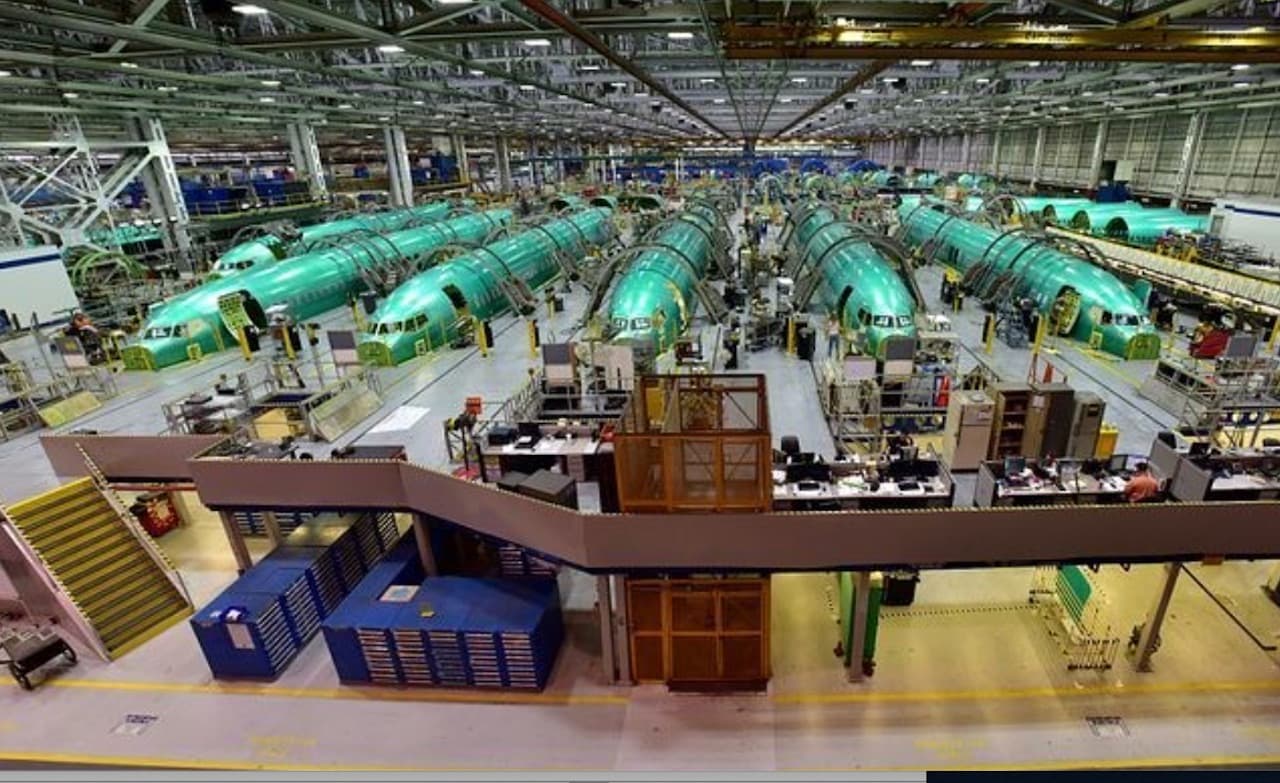
Boeing is reportedly studying the feasibility of ramping up 737 MAX production to around 70 aircraft per month, a level that would bring it closer to Airbus's ambitions for the A320neo family. This move, if realized, would mark a significant recovery for the 737 MAX program after years of industrial and regulatory setbacks, including the grounding following two fatal crashes and the 2024 Alaska Airlines incident. The plan, first reported by The Air Current, is still exploratory and depends on supply chain stability, regulatory approvals, and sustained quality improvements.
For ATPL and ATC students, this news is directly relevant because it signals a future where the global single-aisle fleet—the backbone of short- and medium-haul operations—will expand significantly. More aircraft mean more flights, more routes, and greater demand for pilots and controllers. The 737 MAX, with its advanced avionics and fuel-efficient engines, will become an even more common sight in airline fleets, and understanding its systems, performance characteristics, and operational limitations is essential for any aspiring airline pilot. ATC students, meanwhile, will need to anticipate increased traffic density, especially at hubs where MAX operators concentrate.
Boeing's production trajectory is carefully calibrated. The company recently increased output from 38 to 42 aircraft per month after the FAA eased a cap imposed in early 2024. The next milestones are 47 and then 52 aircraft per month, with a long-term target of 70 to 75 by the end of 2027. To support this, Boeing is opening a fourth 737 assembly line at its Everett plant, historically dedicated to widebodies. This line will also facilitate the assembly of the longer 737-10 variant, which is still awaiting certification. The 737-10 is a direct competitor to the A321neo, a popular aircraft among airlines for high-density routes.
From a regulatory standpoint, the FAA is maintaining strict oversight. Each production increase must be justified by demonstrable quality improvements. This is a reminder for ATPL students that safety culture and regulatory compliance are not just theoretical—they have real-world implications for aircraft availability and airline planning. ATC students should note that the introduction of new variants like the 737-10 may require updated performance data for separation standards and noise abatement procedures.
The supply chain remains a constraint. Boeing's CEO Kelly Ortberg has warned that while current production levels are manageable, reaching 52 aircraft per month could expose bottlenecks in engines and cabin interiors. This fragility underscores the importance of logistics and procurement in aviation—a topic often covered in ATPL modules on aircraft general knowledge and operations.
In summary, Boeing's production ambitions are a bellwether for the industry's recovery and growth. For students, this means more job opportunities, but also a need to stay current with evolving aircraft technology and operational procedures. The 737 MAX will remain a key aircraft type in the global fleet, and understanding its development trajectory is part of being a well-informed aviation professional.