**Boeing's July deliveries: a modest setback**
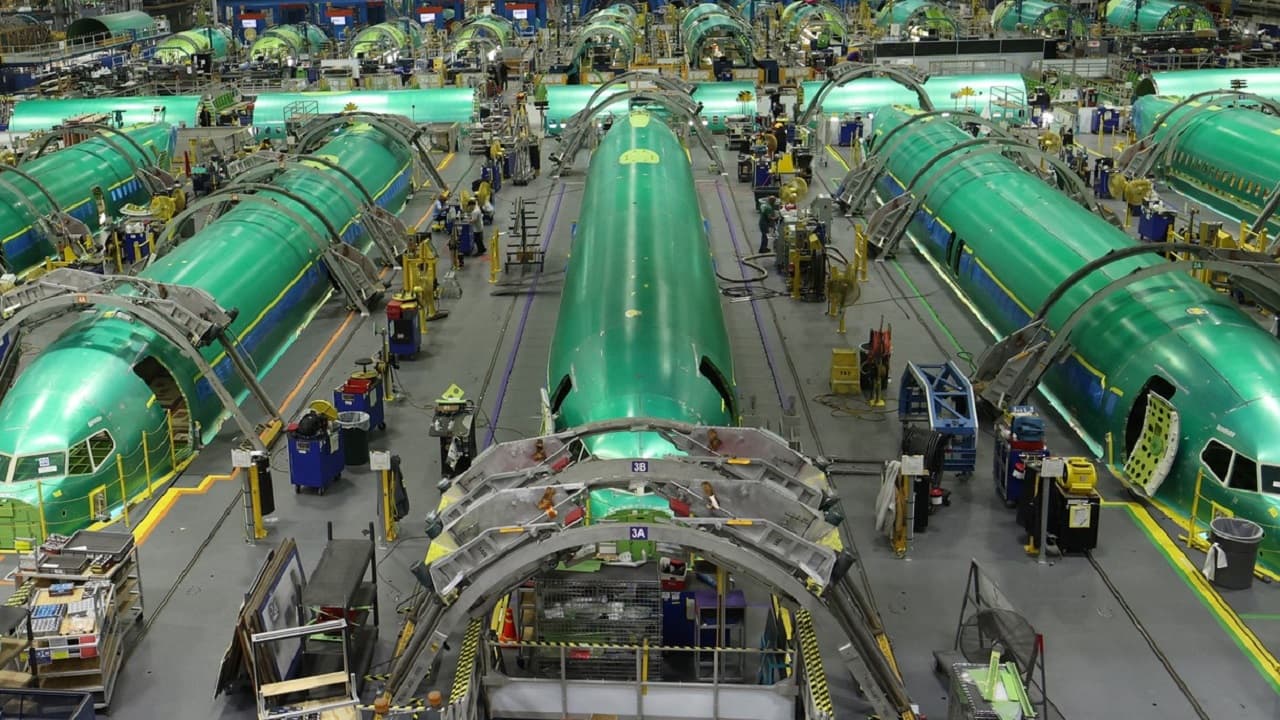
Boeing delivered 53 commercial aircraft in July 2026, a 17% drop from the 64 handed over in June, but still five more than in July 2025. This monthly variation is the first real cadence adjustment after a strong first half, during which Boeing delivered 314 aircraft, its best performance for that period since 2018. The 737 MAX remains the backbone, with 39 units delivered, followed by ten 787 Dreamliners, three 767s, and one 777 Freighter for National Airlines. Year-to-date, Boeing has delivered 367 aircraft, including 279 MAXs and 50 Dreamliners.
**Airbus maintains its lead**
Airbus delivered 67 aircraft to 39 customers in July, down from 89 in June but still ahead of Boeing by 14 units for the month. Cumulatively, Airbus has delivered 418 aircraft since January, giving it a 51-aircraft advantage over Boeing. This gap reflects Airbus's more stable production ramp, while Boeing continues to recover from past industrial and regulatory disruptions. For aviation professionals, these figures illustrate the competitive balance in the duopoly that shapes global fleet composition.
**Orders and market signals**
Boeing recorded 38 gross orders in July, with eight cancellations, resulting in 30 net orders. Highlights include 18 orders for the 737 MAX, 19 for the 787, and one for the 777X. The Farnborough Airshow saw SMBC Aviation Capital place a spectacular order for 100 Boeing 737 MAXs (60 -10s and 40 -8s), confirming strong leasing interest in the largest MAX variant. Airbus, meanwhile, booked 204 gross orders in July, bringing its annual total to 1,090 before adjustments. This commercial battle is as intense as the delivery race, with Boeing aiming to solidify its production recovery while Airbus leverages its delivery stability.
**Why this matters for aviation training**
For ATPL and ATC students, understanding delivery trends is crucial because they directly influence airline fleet planning, route development, and airspace demand. A shift in delivery volumes can affect pilot recruitment, training needs, and the introduction of new aircraft types into fleets. Moreover, the 737 MAX's continued dominance underscores the importance of mastering its systems and performance characteristics, as it will likely be a mainstay in airline operations for years to come. Similarly, the 787's steady deliveries highlight the growing role of long-haul, fuel-efficient aircraft in global networks, which impacts ATC procedures and oceanic operations.