**Industry Context**
Boeing’s latest schedule update, announced by CEO Kelly Ortberg, pushes certification of the 737 MAX 7 and MAX 10 to late 2026, followed by the 777-9, with first deliveries now expected in 2027. This represents a delay of up to seven years from original targets. For aviation students, this is not just corporate news—it directly impacts fleet composition, pilot training demand, and air traffic management planning.
**Why This Matters for ATPL and ATC Students**
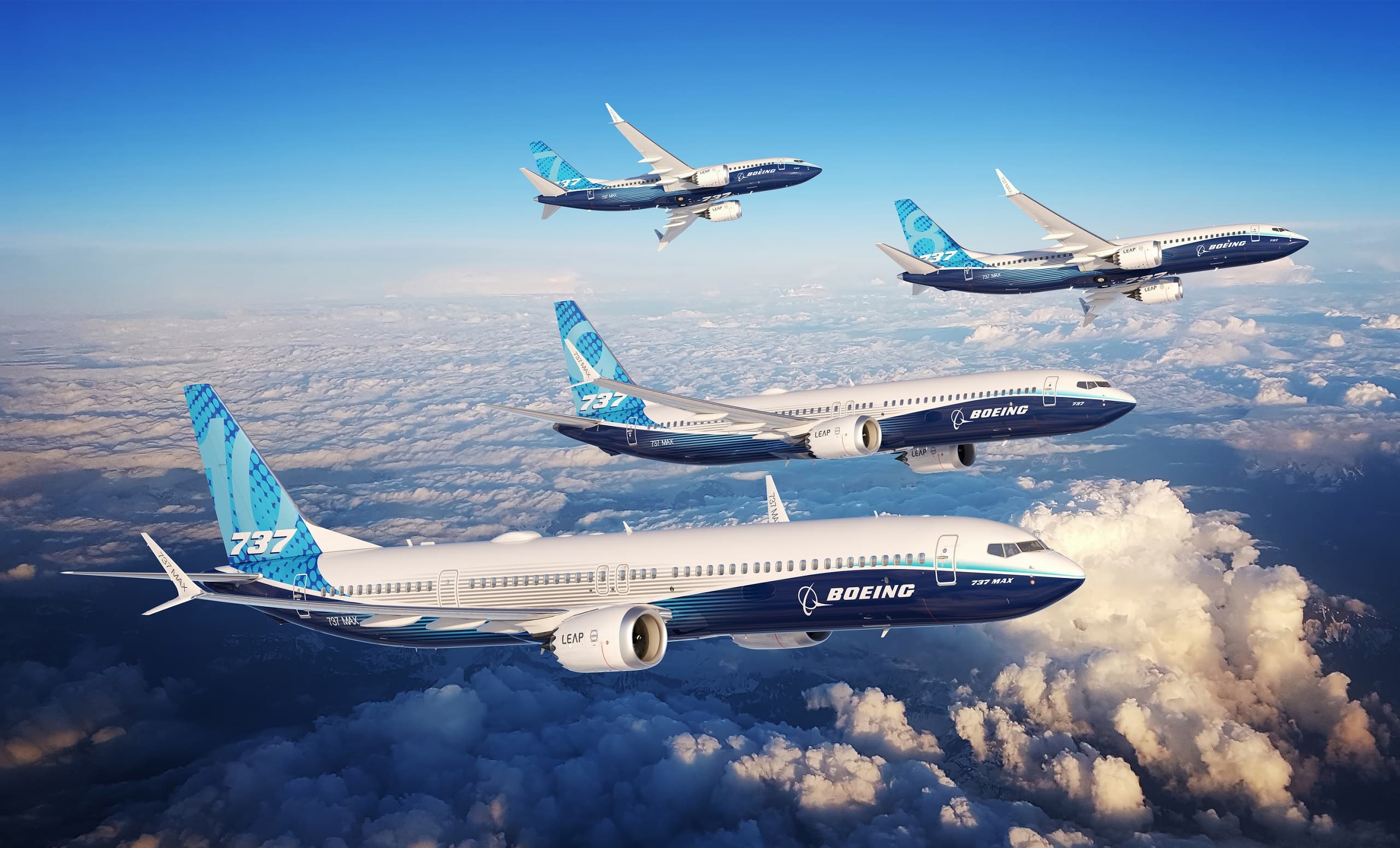
The 737 MAX 7 and MAX 10 are the bookends of Boeing’s narrowbody family. The MAX 7, a shorter variant, is designed for high-frequency routes with lower capacity, while the MAX 10 competes directly with the Airbus A321neo and A321XLR on dense, long-range narrowbody routes. Their prolonged absence from the market means airlines like Southwest, United, and Alaska must extend leases on older aircraft or adjust schedules—affecting route networks and crew planning. For ATC students, understanding fleet dynamics helps predict traffic patterns and slot allocation.
**Regulatory and Technical Hurdles**
Ortberg stated that Boeing now has a final set of design modifications to address the engine anti-ice (EAI) issue that has delayed certification. The company is following the FAA’s lead, a shift from earlier approaches. This highlights the post-737 MAX 8 accident regulatory environment, where new certification standards require more rigorous testing and documentation. For ATPL candidates, this underscores the importance of understanding aircraft certification processes and how design changes affect operational limitations.
**Production and Market Implications**
Boeing’s production rate for the 737 MAX is gradually increasing from a cap of 38 per month to a target of 52. However, the record backlog of 6,814 aircraft means new orders won’t be fulfilled until the next decade. The reopening of the Chinese market, with a potential 200-aircraft order, adds further complexity. For ATC students, this means anticipating increased traffic from new deliveries and potential congestion at major hubs. For pilots, it signals a sustained demand for type ratings and recurrent training.
**Conclusion**
Boeing’s delays are a case study in how certification, production, and market forces interact. ATPL and ATC students should follow these developments to grasp the real-world impact on airline operations, airspace management, and career opportunities.