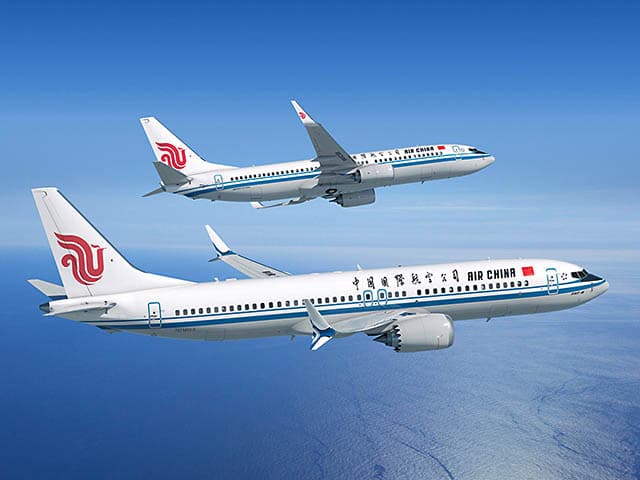
**Boeing Confirms Chinese Commitment for 200 Aircraft: What It Means for ATPL and ATC Students**
Boeing has confirmed that China has committed to purchasing 200 of its aircraft, an agreement announced shortly after President Donald Trump's visit to Beijing. While the exact models and delivery timeline remain unspecified, the deal is expected to include a mix of narrow-body and wide-body jets, such as the 737 MAX, 787 Dreamliner, and 777X. This marks a significant step for Boeing in reopening the Chinese market, which had seen a slowdown in orders due to trade tensions and increased competition from Airbus.
For ATPL students, this development is more than just a corporate announcement. The potential influx of new aircraft into Chinese airlines means increased demand for qualified pilots, especially those with type ratings on Boeing models. As Chinese carriers expand their fleets, they will need to recruit and train pilots, creating opportunities for graduates from ATPL programs. Similarly, ATC students should note that a growing fleet in China will lead to higher traffic volumes, requiring more controllers and advanced air traffic management systems. Understanding the dynamics of fleet growth in key markets like China is essential for career planning.
The deal also highlights the geopolitical and economic factors that influence aircraft orders. ATPL and ATC students should recognize that aviation is not just about flying or controlling traffic; it is deeply intertwined with international trade and diplomacy. This agreement, while smaller than earlier rumors of 500+ aircraft, signals a thaw in US-China relations that could lead to further orders. For students, this underscores the importance of staying informed about global market trends, as they directly affect hiring cycles and operational changes.
From an operational perspective, the introduction of new aircraft types like the 737 MAX and 777X into Chinese fleets will require pilots and controllers to adapt to updated technologies and procedures. The 737 MAX, for instance, has undergone significant design changes following its grounding, and pilots must be trained on its new systems. ATC students should be aware that new aircraft may have different performance characteristics, affecting separation standards and approach procedures. Keeping abreast of such developments is crucial for both ATPL and ATC training.
In conclusion, Boeing's Chinese commitment is a positive sign for the aviation industry, with direct implications for training and careers. ATPL and ATC students should view this as a reminder of the dynamic nature of the field and the need to continuously update their knowledge. Whether it's understanding market shifts or mastering new aircraft systems, staying ahead of industry news is a key part of professional development.