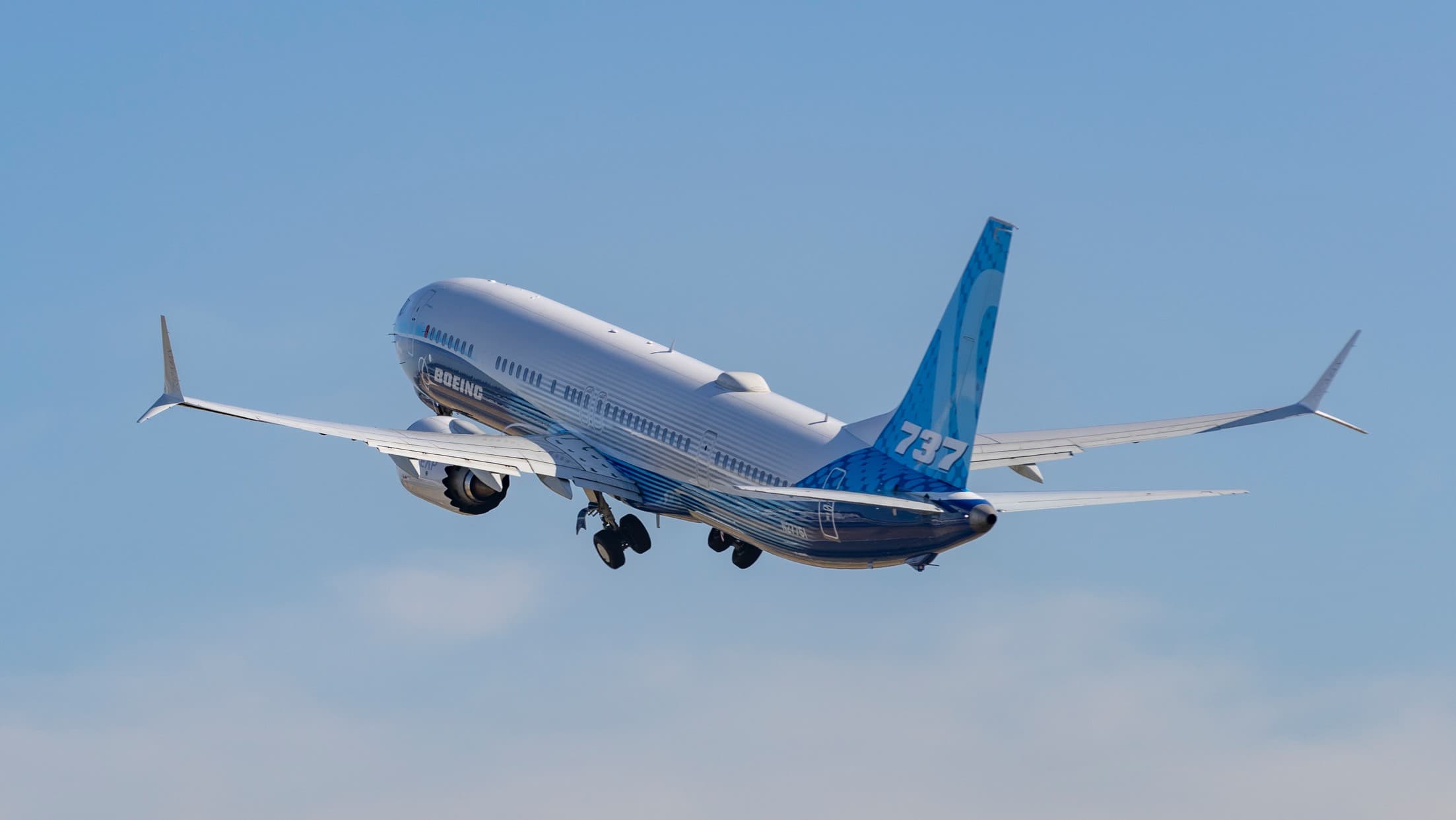
Boeing has launched certification flight testing for a redesigned engine anti-icing system on its 737 MAX 7 and MAX 10 aircraft, marking a pivotal technical advancement toward achieving regulatory approval by late 2026. This development comes after years of delays stemming from safety concerns identified by the FAA regarding potential nacelle overheating during prolonged anti-icing operation in certain flight configurations. The issue, which could theoretically lead to nacelle inlet cowl damage or failure, prompted operational restrictions on in-service MAX 8 and MAX 9 aircraft, requiring crews to avoid using engine anti-icing except in actual or anticipated icing conditions. Boeing initially sought a temporary exemption in 2023 to certify the MAX 7 and 10 with the existing system while developing a permanent fix, but withdrew that request in early 2024 amid regulatory pressure and heightened scrutiny following the Alaska Airlines MAX 9 plug-door incident.
The redesigned anti-icing system incorporates architectural changes to the nacelle inlet and thermal management of hot bleed air, aiming to eliminate overheating risks without introducing new vulnerabilities. These modifications are integrated into the aircraft's baseline certification for the MAX 7 and 10, interacting with multiple other aircraft functions. The current flight tests, conducted under FAA supervision as part of a Type Inspection Authorization (TIA) Phase 2, involve accumulating "certification credits" through precisely defined scenarios—including temperature envelopes, flight profiles, and anti-icing activation durations—to demonstrate compliance with durability and safety requirements. This structured approach reflects the FAA's hardened stance post-MAX crises, with the agency emphasizing it will not impose political timelines but will certify only when all requirements are met.
For ATPL students, this certification process offers a real-world case study in how aircraft systems integration, regulatory oversight, and safety-driven design changes intersect. Understanding the technical specifics of anti-icing systems—such as bleed air usage and thermal management—is crucial for pilots, as improper operation can lead to system failures or structural damage. The FAA's focus on eliminating risks before certification underscores the importance of thorough system knowledge and adherence to operational procedures, which are key components of ATPL training. Moreover, the timeline pressures faced by Boeing highlight the commercial and industrial stakes in aviation, where certification delays can reshape fleet strategies and competitive dynamics between manufacturers like Boeing and Airbus.
The certification of the MAX 7 and 10 is strategically vital for Boeing's competitiveness against Airbus's A321neo in the long-range narrowbody market. The MAX 7 targets regional and constrained-airport operations, while the MAX 10 aims for high-density routes and A321 replacement missions. Successive delays have forced airlines to adjust fleet plans, with some renegotiating orders or turning to Airbus. The anti-icing tests signal Boeing's commitment to addressing systemic vulnerabilities in the MAX program and stabilizing the family's certification by 2026. For aviation professionals, this underscores the evolving nature of aircraft certification, where safety enhancements and regulatory rigor directly impact operational readiness and industry trust.