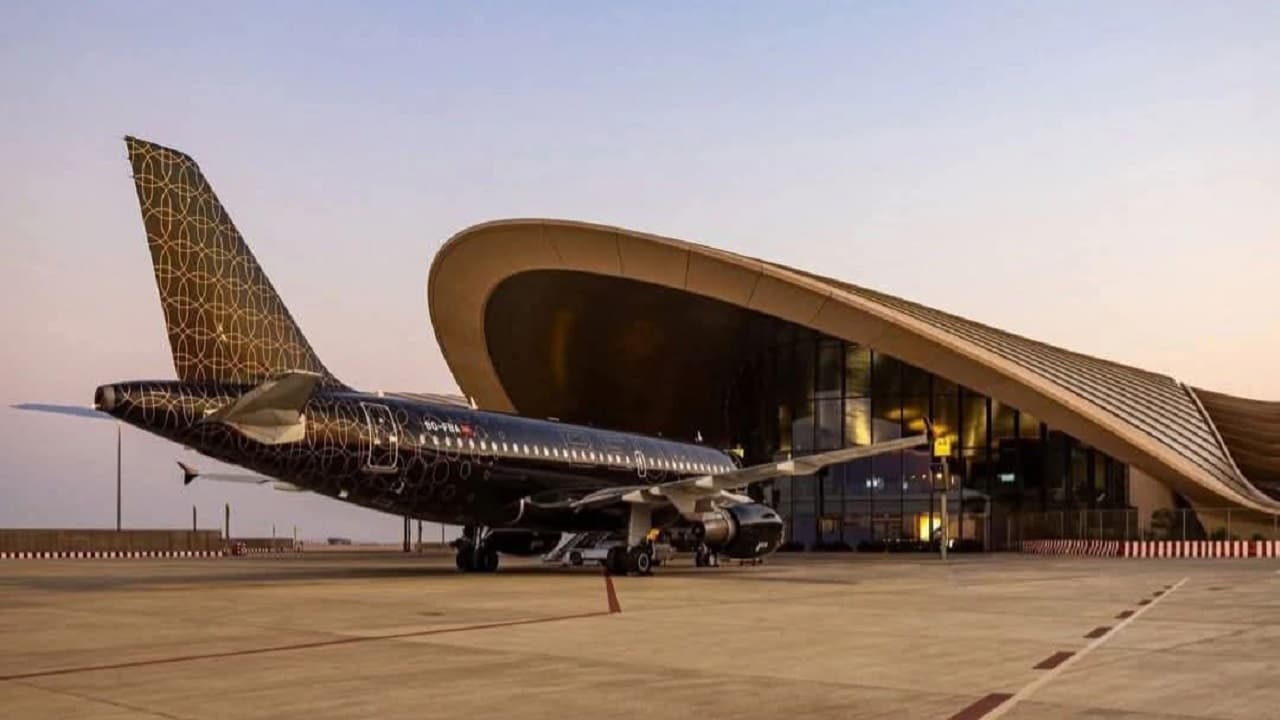
Beond, a Maldivian airline specializing in an all-business-class model, has announced the suspension of all its regular flights between Europe and Malé for the summer of 2026, with operations set to resume in October for the winter schedule. This decision, communicated via social media on April 19, 2026, affects routes that typically include stops in the Middle East, such as via Riyad (RUH) or Dubai-Al Maktoum (DWC), though the official statement focuses on European connections. Passengers with summer bookings are being contacted within 72 hours for options like free rebooking to winter flights, deferrals up to 12 months, or full refunds, as the airline navigates operational challenges.
From an industry perspective, this pause underscores the vulnerabilities of niche carriers in the aviation market. Beond operates with a small fleet of Airbus A319 and A321 aircraft, configured with only 44 and 68 business-class seats respectively—a low-density setup that requires high load factors to remain profitable. The summer season in the Maldives coincides with increased rainfall and stronger winds, leading to reduced tourist demand, which exacerbates financial strain. For ATPL and ATC students, this scenario illustrates how airlines must balance route planning with seasonal variations and economic factors, emphasizing the importance of flexible scheduling and risk management in airline operations.
The primary driver behind this suspension is the surge in fuel prices, linked to geopolitical tensions in the Middle East, particularly the conflict in Iran. Beond had previously announced in March 2026 the introduction of a fuel surcharge (YQ) across its network, citing rising kerosene costs and their impact on operational conditions. This context highlights how global events can directly affect aviation economics, forcing carriers to adjust their strategies. For students, it's a reminder that fuel cost volatility is a critical factor in flight planning and airline viability, influencing decisions from pricing to fleet deployment.
Despite the summer hiatus, Beond maintains ambitious growth plans, with intentions to launch new routes from Malé to Paris and London starting in December 2026. These flights, scheduled three times weekly via Middle Eastern stops, target the high-demand winter season, capitalizing on affluent European travelers seeking luxury beach holidays. This strategic shift from summer suspension to winter expansion demonstrates how airlines adapt to market cycles, focusing on peak periods to maximize revenue. For aviation trainees, it underscores the interplay between seasonal demand, route profitability, and long-term planning in the competitive airline industry.
In summary, Beond's operational pause serves as a case study in the challenges faced by premium niche carriers. It reflects broader industry trends where fuel costs and seasonal demand dictate operational viability, offering valuable lessons for future pilots and air traffic controllers on the economic realities of aviation management.