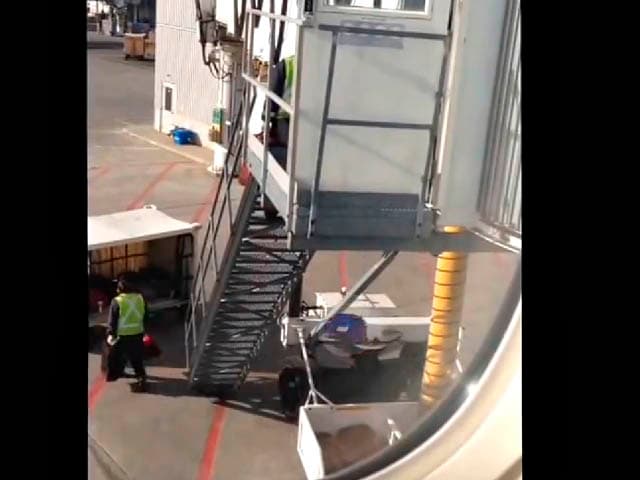
A recent investigation by CTV News W5 has uncovered a disturbing trend at Canadian airports, particularly Toronto Pearson International Airport. At least 17 innocent passengers departing from Canada have been arrested in countries like Morocco, South Korea, the Philippines, and the Dominican Republic after their baggage tags were covertly transferred onto suitcases packed with cocaine, methamphetamine, or other drugs. The modus operandi involves ground staff accessing baggage handling areas, removing tags from legitimate luggage, and affixing them to drug-filled bags. If the bag passes through security, an accomplice retrieves it at the destination; if intercepted, the passenger whose name appears on the tag faces arrest for drug trafficking.
For ATPL and ATC students, this case highlights critical vulnerabilities in airport security that go beyond traditional passenger screening. The aviation industry relies on a layered security model, but this incident reveals a weak link: ground personnel with unrestricted access to baggage zones. In your training, you will study security protocols such as access control, CCTV monitoring, and baggage reconciliation. This real-world example underscores why these measures must be rigorously enforced and audited. As future pilots or controllers, understanding the human factor in security—including the vetting and supervision of ground staff—is essential to maintaining the integrity of the air transport system.
The consequences for the victims are severe. In some destination countries, drug trafficking carries life imprisonment or the death penalty, and the presumption of innocence is not guaranteed. Passengers have described being handcuffed upon arrival, detained for extended periods, and facing opaque legal proceedings before being exonerated. Even after release, many have lost jobs, savings, and the ability to travel freely. This case also raises questions about shared responsibility between airport authorities, airlines, and government agencies. The Royal Canadian Mounted Police (RCMP) has arrested six baggage handlers and ramp agents at Toronto Pearson in connection with the scheme, but broader reforms may be needed.
For aviation professionals, this story is a stark reminder that security is everyone's responsibility. Pilots and ATCs are not directly involved in baggage handling, but they must be aware of systemic risks and report any suspicious activity. In your ATPL studies, you will cover security management systems (SeMS) and the importance of a just culture where employees can raise concerns without fear. This incident also demonstrates the need for robust background checks and continuous monitoring of staff with access to secure areas. As you prepare for your careers, consider how you would contribute to a security culture that protects both passengers and the reputation of the aviation industry.