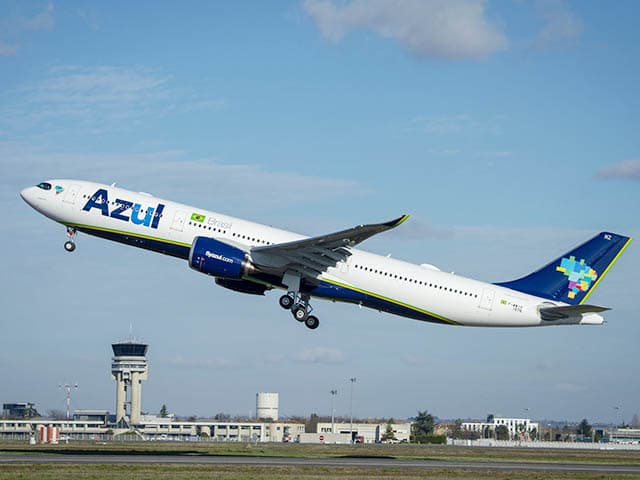
**Azul Takes Delivery of Its First Factory-Fresh Airbus A330-900neo**
Brazilian carrier Azul Linhas Aéreas has taken delivery of its first Airbus A330-900neo directly from the manufacturer, marking a significant shift in its long-haul fleet strategy. The aircraft, registered PR-ANU, was handed over at Airbus’s delivery centre in Toulouse on 29 May 2026 and is the first of 11 A330neo aircraft that Azul has ordered outright from Airbus. Previously, the airline had operated the A330-900 exclusively through leasing agreements, primarily with lessor Avolon, since introducing the type in 2019.
**From Leased to Owned: A Strategic Pivot**
Azul was the first airline in the Americas to operate the A330-900neo, initially relying on five leased aircraft from Avolon to support its expansion into the US and European markets. The arrival of PR-ANU represents the beginning of a transition from a predominantly leased long-haul fleet to one that combines leasing with direct ownership. This shift gives Azul greater control over unit costs, extends the useful life of its assets, and provides more flexibility in capacity planning. The airline has a total of 11 A330neo on firm order from Airbus, with a second unit expected in the second half of 2026 and the remaining nine to follow over the next several years.
**Implications for Network and Operations**
Azul has deployed its A330neo fleet primarily on routes from its Campinas-Viracopos hub to key international destinations such as Orlando and Lisbon. The addition of factory-fresh aircraft will allow the airline to increase frequencies, potentially launch new long-haul routes, and phase out older A330-200s, harmonising its fleet. The airline also highlights the environmental benefits of the A330neo, including reduced fuel consumption and lower emissions, which align with broader industry sustainability goals.
**Why This Matters for ATPL and ATC Students**
For ATPL students, this case study illustrates how fleet ownership versus leasing affects an airline’s financial health, operational flexibility, and long-term planning. Understanding these dynamics is crucial for future pilots who will need to adapt to fleet changes and network adjustments. For ATC students, the introduction of new aircraft types and increased frequencies on key routes can impact traffic flows, slot coordination, and airspace demand, particularly at busy hubs like Campinas and Lisbon.