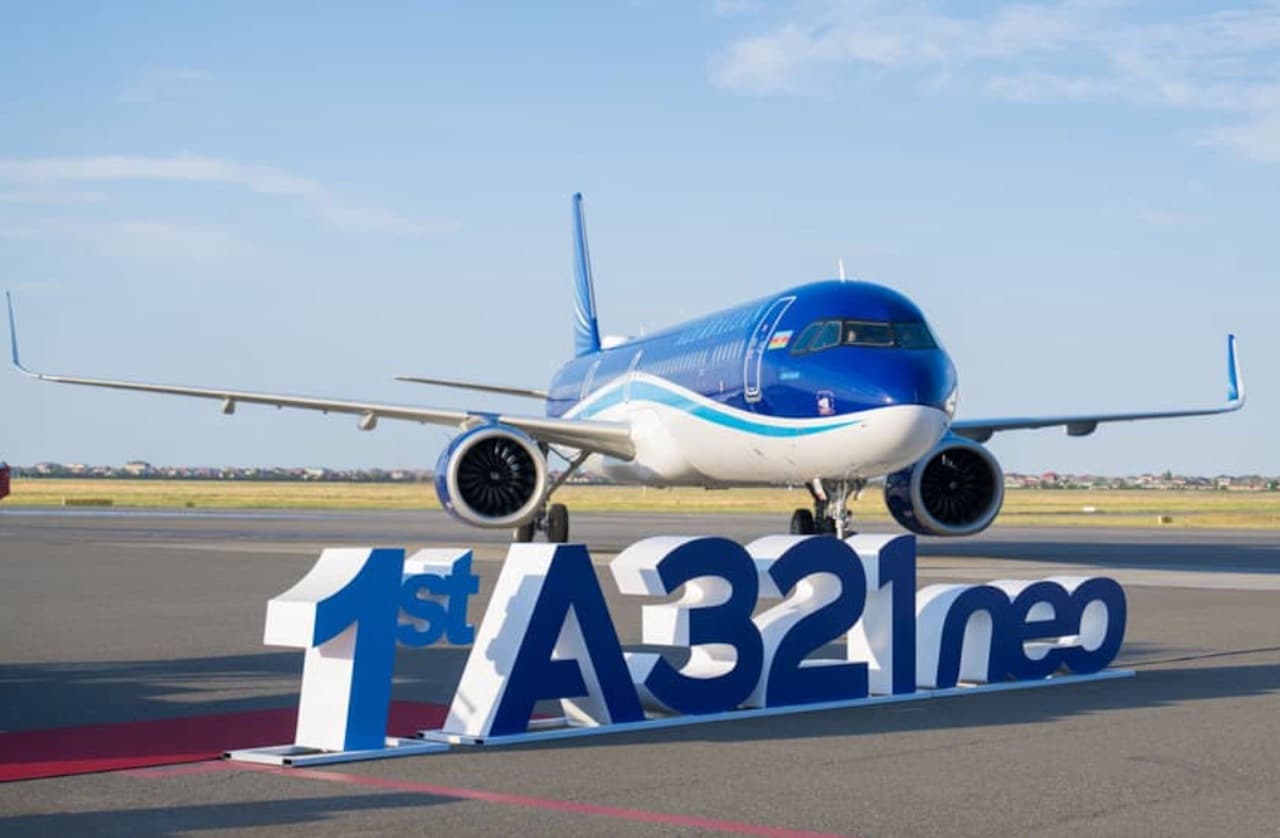
**Azerbaijan Airlines (AZAL) has announced a new direct route between Baku and Brussels, set to launch on May 8, 2027.** The service will operate four times per week—on Mondays, Wednesdays, Thursdays, and Saturdays—connecting Heydar Aliyev International Airport in Baku with Brussels Airport. Tickets are already available through the airline's website, mobile app, ticket offices, and partner travel agencies.
This new link fills a gap in the Azerbaijan–Belgium market, which previously relied mainly on connecting flights via European carriers. AZAL states that the route aims to boost business exchanges, tourism, and cultural ties between the two countries. Brussels is highlighted as a major European transport hub, with easy rail connections to Amsterdam, Luxembourg, and Cologne.
**For ATPL and ATC students, this development is a practical case study in network planning.** Airlines often add routes to capitals with high institutional density—Brussels hosts the European Commission, the Council of the EU, and NATO's political headquarters. Such destinations generate steady demand from diplomats, lobbyists, and business travelers, which influences scheduling, aircraft selection, and slot coordination at busy airports like Brussels.
From an operational perspective, the four-weekly frequency suggests the route will be served by a narrow-body aircraft such as the Airbus A320 or Boeing 737, typical for medium-haul European flights from Baku. Students should note that the choice of days (Monday, Wednesday, Thursday, Saturday) avoids weekend peaks and targets mid-week business travel, a common strategy for routes serving institutional clients.
**ATC trainees can also learn from this announcement.** Brussels Airport is a congested hub with complex airspace, shared with military and general aviation traffic. Adding a new long-haul route (Baku is about 3,500 km from Brussels) requires careful slot allocation and coordination with Eurocontrol. The route's success will depend on efficient ground handling and air traffic management, especially during peak hours.
In summary, this route expansion is more than a commercial move—it reflects how airlines align their networks with geopolitical and economic hubs. For aviation students, it offers a concrete example of route planning, market analysis, and operational challenges in a multi-modal transport environment.