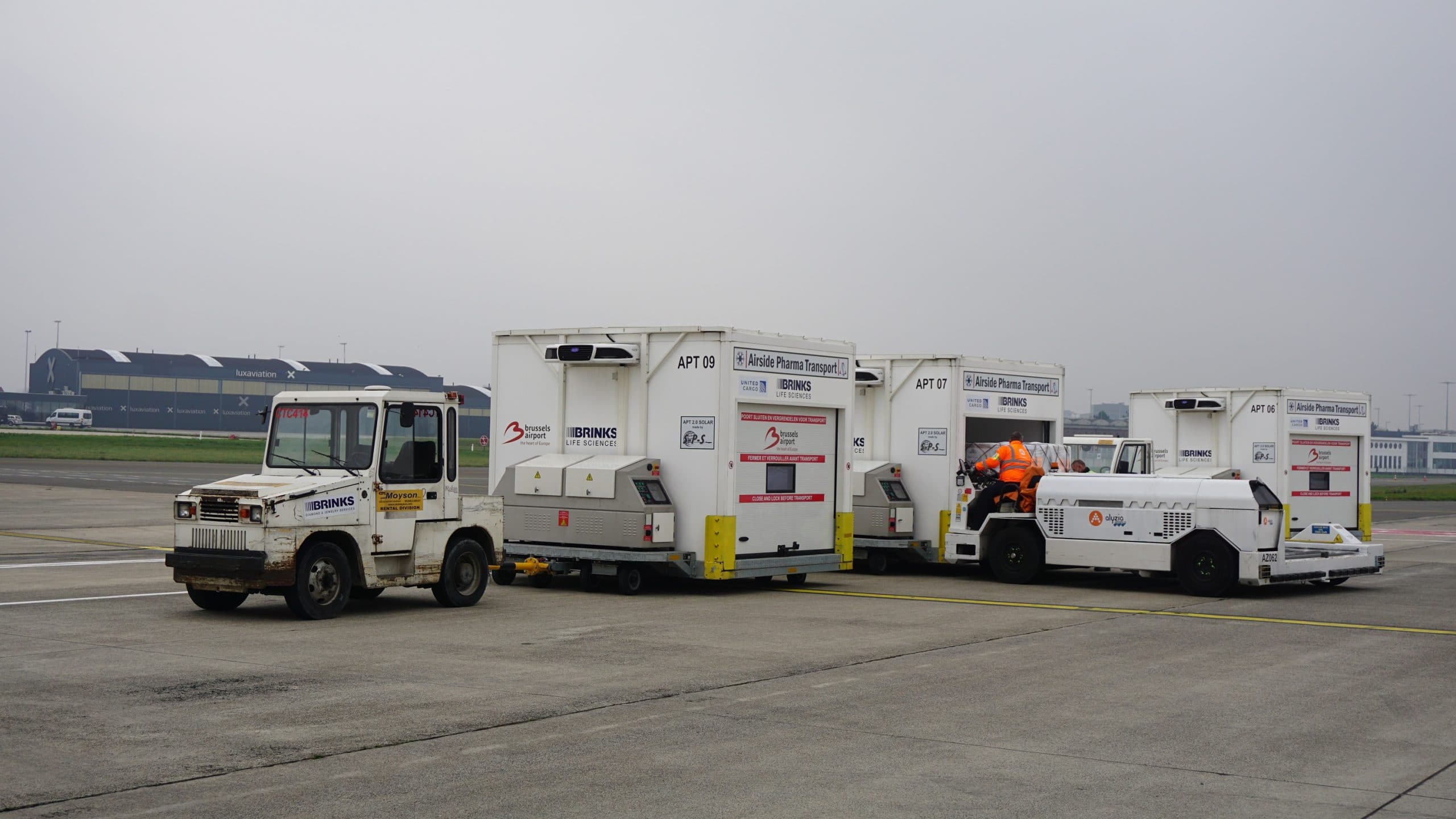
**A new wave of industrial action at Brussels Airport** has once again thrown flight schedules into disarray. On Tuesday, ground handling agent Aviapartner saw a resumption of strike action after a mediation session between management and unions ended without an agreement. The walkout follows a spontaneous strike that began early Monday morning, catching passengers, airlines, and airport operators off guard.
**The Monday strike, which started around 3:30 AM local time**, caused delays for approximately 60 departing flights. While no cancellations were reported, long queues formed at check-in counters, particularly affecting airlines served by Aviapartner — including TUI fly, Ryanair, Iberia, and British Airways. In contrast, flights operated by Brussels Airlines, which uses competitor Alyzia for ground handling, proceeded normally. Baggage handling and arriving flights were not directly impacted, as the dispute primarily involves staff responsible for passenger check-in and boarding.
**Aviapartner is one of the two main ground handling providers at Brussels Airport**, alongside Swissport. The company manages check-in, boarding, loading, and unloading for numerous European and leisure carriers. The Belgian ground handling market, characterized by intense cost pressure, has seen recurring social tensions over the years. In 2018, a six-day strike led to the cancellation of nearly 960 flights and disrupted over 115,000 passengers. In 2022, a prolonged strike forced the cancellation of about 150 flights in a single day, affecting nearly 30 airlines, including Ryanair and KLM.
**The specific demands behind the current strike have not been publicly detailed** by either Aviapartner management or the unions. However, previous conflicts have often centered on deteriorating working conditions, understaffing, and increasing productivity pressure. In 2022, an agreement was reached after several days of strike, including compensation for travel and allowances for workers deployed at other platforms. It remains unclear whether new mediation talks are scheduled or how long the current strike might last.
**For ATPL and ATC students, this situation is a textbook case** of how ground handling disruptions ripple through an airport ecosystem. Delays in check-in and boarding affect slot coordination, turnaround times, and passenger flow — all of which are critical for operational planning. Understanding the role of ground handlers and the fragility of the ground operations chain is essential for future pilots and controllers who must manage irregular operations and communicate effectively with all stakeholders during disruptions.