**A Real-World Test of Emergency Procedures**
On June 24, 2026, two strong earthquakes struck Venezuela, severely damaging the Simón Bolívar International Airport at Maiquetía, the primary gateway to Caracas. The airport was immediately closed for inspections and repairs, leaving thousands of passengers stranded and airlines scrambling to reorganize their schedules. This event is not just a news story—it is a textbook case for ATPL and ATC students studying emergency operations, diversion planning, and the critical role of NOTAMs in crisis management.
**Avianca's Response: A Model of Operational Flexibility**
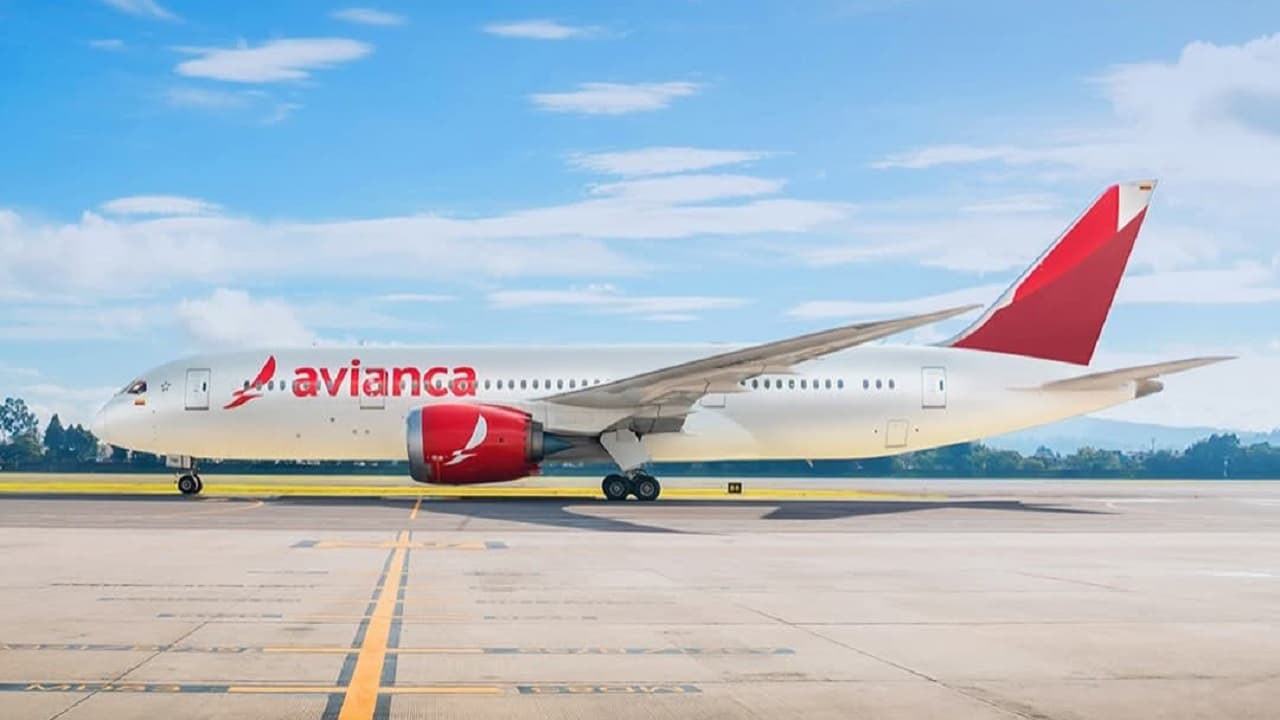
Colombian carrier Avianca quickly announced the temporary transfer of its Bogotá–Caracas service to Arturo Michelena Airport in Valencia, about 170 km west of Caracas. The airline deployed Airbus A320s on a mix of scheduled and charter flights to absorb demand and provide an alternative for affected passengers. For ATPL students, this illustrates the importance of having contingency plans for alternate airports, calculating fuel requirements for longer diversions, and managing passenger rebooking under pressure. ATC trainees can study how airspace coordination shifts when a major hub goes offline and traffic is redirected to a smaller regional airport.
**Humanitarian Airlift: A Lesson in Multi-Agency Coordination**
Beyond commercial operations, Avianca also committed to transporting rescue and medical personnel in coordination with the Colombian Red Cross and the Colombian Civil Air Patrol. This highlights the dual-use nature of commercial aviation in disaster response—a topic covered in ATPL human factors and crew resource management (CRM) modules. ATC students should note that during such crises, airspace may be temporarily reserved for humanitarian flights, requiring close collaboration between civil and military authorities. The closure of Maiquetía for all but relief flights is a classic example of how airspace management adapts to real-world emergencies.
**What This Means for Your Training**
For ATPL candidates, this event underscores the need to master diversion procedures, fuel planning, and the interpretation of aeronautical information (AIP, NOTAMs). For ATC trainees, it demonstrates the importance of flexibility in sequencing arrivals, coordinating with neighboring sectors, and managing sudden changes in traffic flow. The Avianca case also reinforces the value of CRM and decision-making under uncertainty—skills that are tested in every simulator session and real-world operation.
**Conclusion**
The Venezuela earthquake and Avianca's response offer a rare, concrete example of how aviation systems react to natural disasters. By studying this event, students can better understand the operational, regulatory, and human factors that come into play when the unexpected happens. This is not just theory—it is the reality of aviation.